

Segovia Aqueduct: A Complete Guide to Roman Engineering

The Segovia Aqueduct is undoubtedly the monument that defines the silhouette of the city of Segovia, located in the autonomous community of Castilla y León. It is one of the most impressive and well-preserved examples of Roman civil engineering, having been responsible for supplying water to the city until 1973.
Roman Origin and Construction
The construction of the aqueduct dates back almost 2000 years, with historical estimates placing its start after 112 AD during the end of Emperor Trajan's reign or at the beginning of Hadrian's rule. Although recent studies suggest that the first stones may have been laid a few years later than previously believed, the magnitude of the work remains as a testament to the technical mastery of the Roman Empire.
The project is an example of precision, consisting of 167 arches built entirely with granite blocks without the use of any type of mortar or cement, standing only by force equilibrium and stone cutting accuracy. At its highest point, the structure reaches 28.5 meters, and the total length of the canal's route extends for about 813 meters.

Curiosities About the Monument
Beyond its practical function, the aqueduct is surrounded by legends and interesting details. During its construction, the three tallest arches displayed bronze letter inscriptions that identified the builder of the work. The name "aqueduct" derives from Latin aquae (water) and ductus (conduction), accurately describing its function of channeling water through arches and underground channels.
Although historians still debate about the specific authorship of the work, it is undeniable that the technology applied to the structure allowed it to defy time. It is an excellent example of how Roman infrastructure was planned to last for centuries, organically integrating into the urban topography of the region.
Tips for Your Visit
When planning a visit to the monument, consider that it is located in the city center and easily accessible on foot. As it is an open-air structure protected as historical heritage, there is no "ticket" required to view the aqueduct itself, but it is essential to respect the designated areas for conservation.
For up-to-date information about visiting hours, tour routes through the city, and specialized guides, consult Segovia Tourism. It is recommended to reserve at least a full day to explore the surroundings, taking advantage of walking through medieval streets that connect from this point.
Sources
Segovia Aqueduct - Wikipedia Segovia Tourism Fundación Aquae
Enjoyed it? Don't miss what's next.
Articles, guides and opportunities for Brazilians in Spain, straight to your inbox.
Our social media
Follow our posts wherever you prefer.
What did you think of this content?
Comments
Leave a comment
Your email won't be published. Comments go through moderation before appearing.
Review before sending — comments can't be edited after submission.
0/1000More in Articles
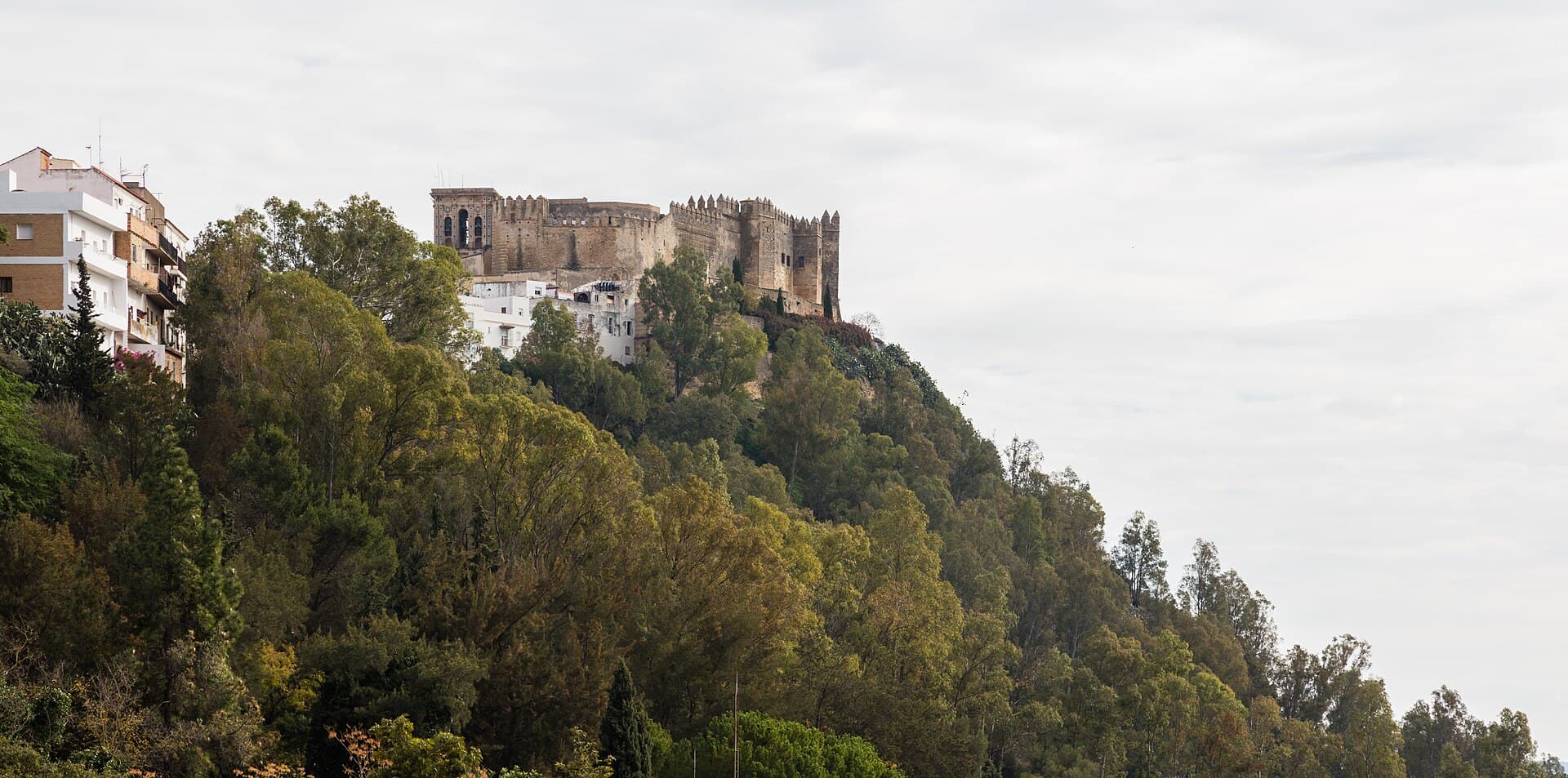
Arcos de la Frontera: A Guide to the Architecture of the Pueblos Blancos
Explore the historic houses and fortresses of Arcos de la Frontera, one of the most emblematic destinations in the province of Cádiz, with this architectural guide.
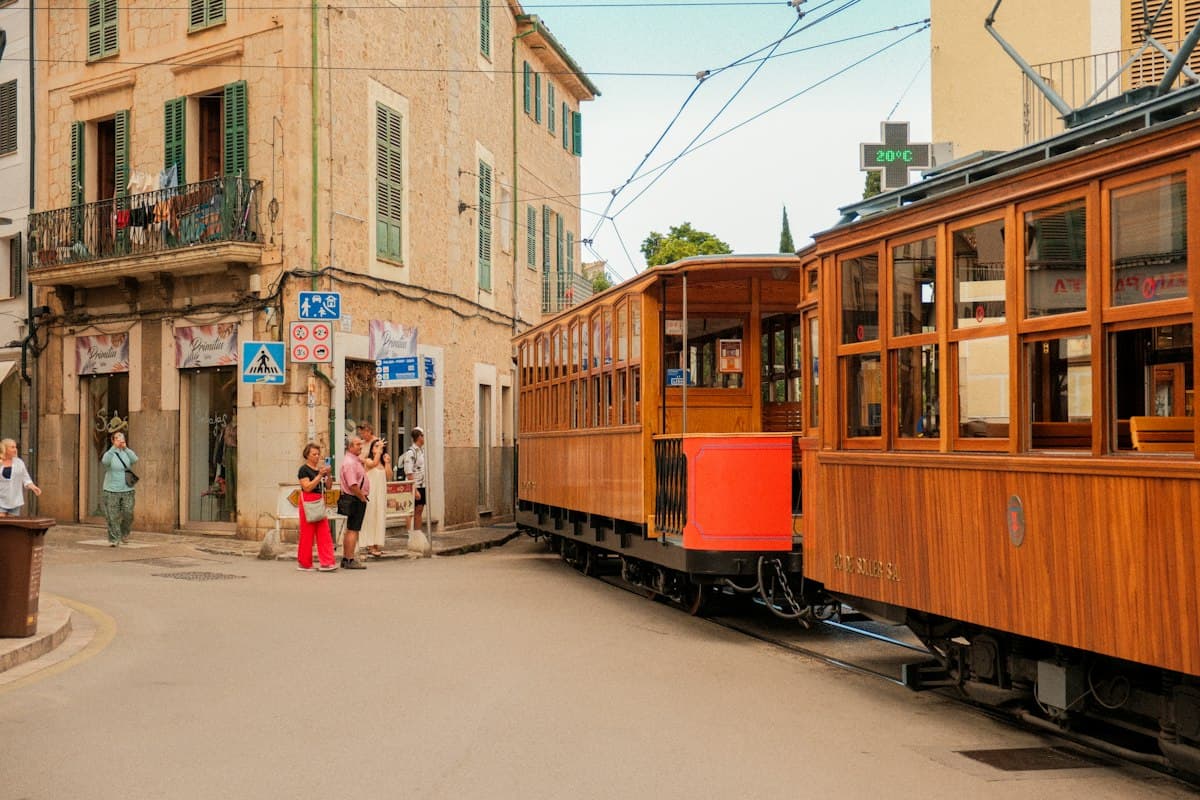
Guide to Traditional Festivals in Sóller: From Es Firó to Sant Sebastià Fire Festival
Discover the most authentic traditions of Sóller, from the historic Es Firó celebration to the ancient fire festivals that mark the local calendar.

Traditional Festival Guide in San Lorenzo de El Escorial: From August 10th to the Pilgrimage
Discover how religious tradition and popular culture come together in San Lorenzo de El Escorial. Learn about the local festivals that bring this Real Sitio to life.
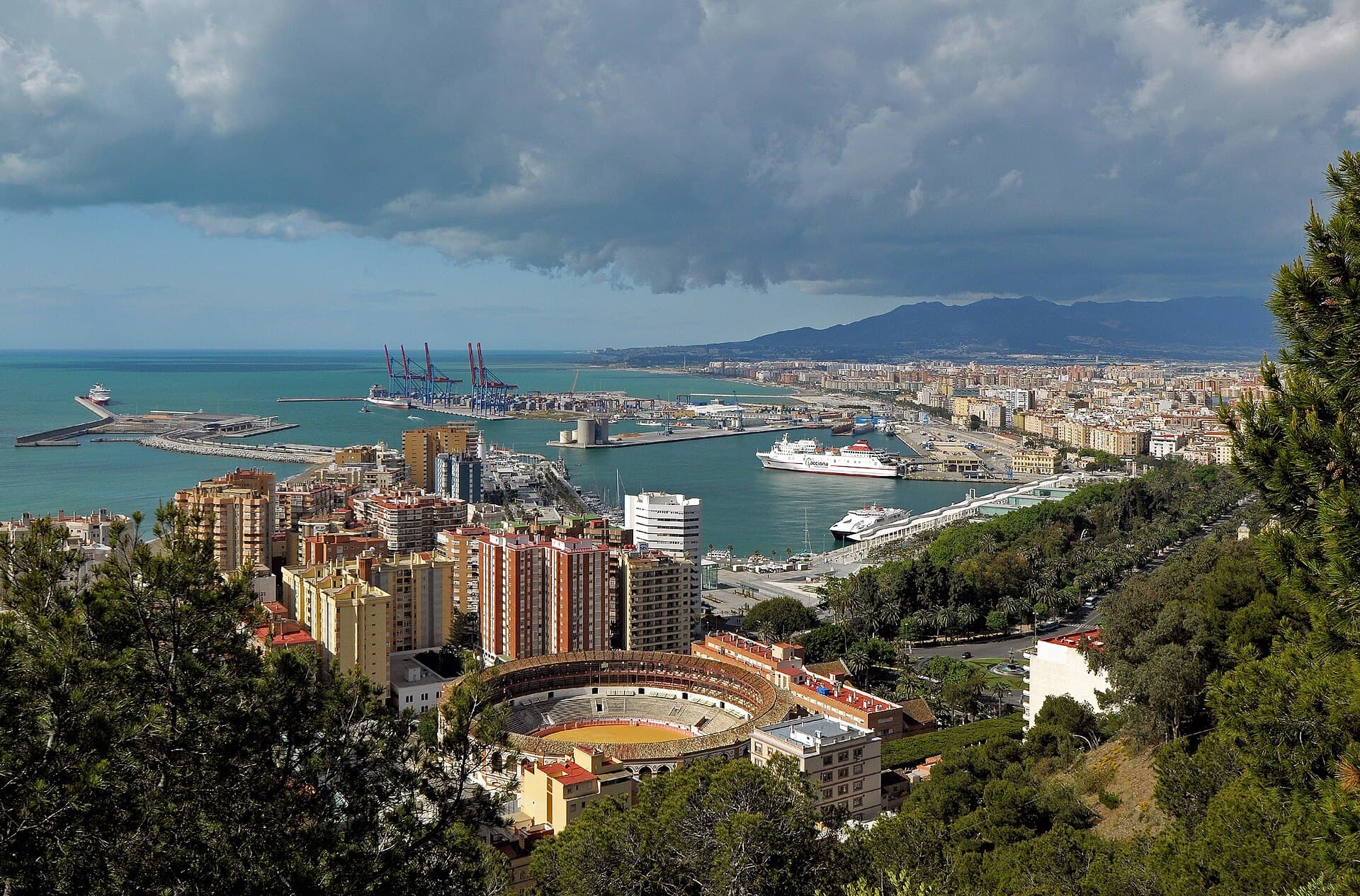
Malaga Beyond the Obvious: 10 Secrets and Curious Facts About the Capital of Costa del Sol
Discover hidden secrets, unusual traditions, and historical facts that make Malaga one of the most surprising cities in Spain for those who live here.