
Architecture in Murcia: From Santuario de la Fuensanta to Cathedral Museum
The urban landscape of Murcia is a living record of Spain's Levante history. For those who live in the region, understanding the transition between medieval foundations and contemporary structures is essential to truly feeling at home. While classic spots like Plaza de las Flores have already been explored in our article Historic Neighborhoods of Murcia: A Guide to Living Tradition, this walk focuses on new horizons and architectural contrasts.
The Historical Legacy and Sacred Grandeur
A great starting point is the Santuario de Nuestra Señora de la Fuensanta. This monument, whose origins date back to the 13th century, serves as a history lesson on the transition between Gothic and Renaissance styles. Its façade is a detailed study of religious ornamentation and symbolism that defines the identity of Costa Cálida's capital.
To delve deeper into medieval times and sacred heritage, visit the Cathedral Museum. Located in a building of great cultural importance, this space houses a valuable collection of religious art that contextualizes the city's significance throughout the centuries.
The Vanguard Redefining Urban Landscapes
Murcia's architecture is not solely rooted in the past. Modern projects have injected dynamism into the city, balancing functionality with bold design. The Auditorio y Centro de Congresos Víctor Villegas exemplifies this shift. This building stands as a reference of vanguard that attracts scholars and visitors interested in how modern engineering can dialogue with the Mediterranean environment.
Another landmark not to be missed is the Museum of Science and Water. The building stands out for its contemporary design that breaks from traditional patterns, serving as a meeting point between technical curiosity and aesthetic innovation in Murcia's current scene.
Cultural Experiences and Open House Murcia
Each year, events like the Open House Murcia festival offer a unique opportunity to access buildings that are usually closed to the public. In its 2026 edition, under the motto "Between the Visible and the Invisible," the event expanded access to singular constructions, allowing reflections on life in neighborhoods.
The Murcia City Council coordinated a special program including guided tours at the City Museum, where the director presents elements such as ancient acequias, through thematic routes around the San Andrés and El Carmen neighborhoods. For those who want to experience architecture practically and immersively, these organized routes by Bestia Parda collective or walks along the Cuesta de la Magdalena offer a fresh perspective on the urban fabric we inhabit.
This museum is dedicated to preserving the memory and evolution of the city, making it an essential place for understanding the local urban trajectory.
The San Andrés neighborhood is a historic area that preserves the essence of urban experiences and the charm of Murcia's local traditions.
Known for its authentic atmosphere, El Carmen neighborhood is a meeting point between past and present, offering a genuinely Murcian ambiance.
This iconic slope invites visitors to explore the city's topography and appreciate unique perspectives of its streets and buildings.
Sources
Enjoyed it? Don't miss what's next.
Articles, guides and opportunities for Brazilians in Spain, straight to your inbox.
Our social media
Follow our posts wherever you prefer.

What did you think of this content?
Comments
Leave a comment
Your email won't be published. Comments go through moderation before appearing.
Review before sending — comments can't be edited after submission.
0/1000More in Articles
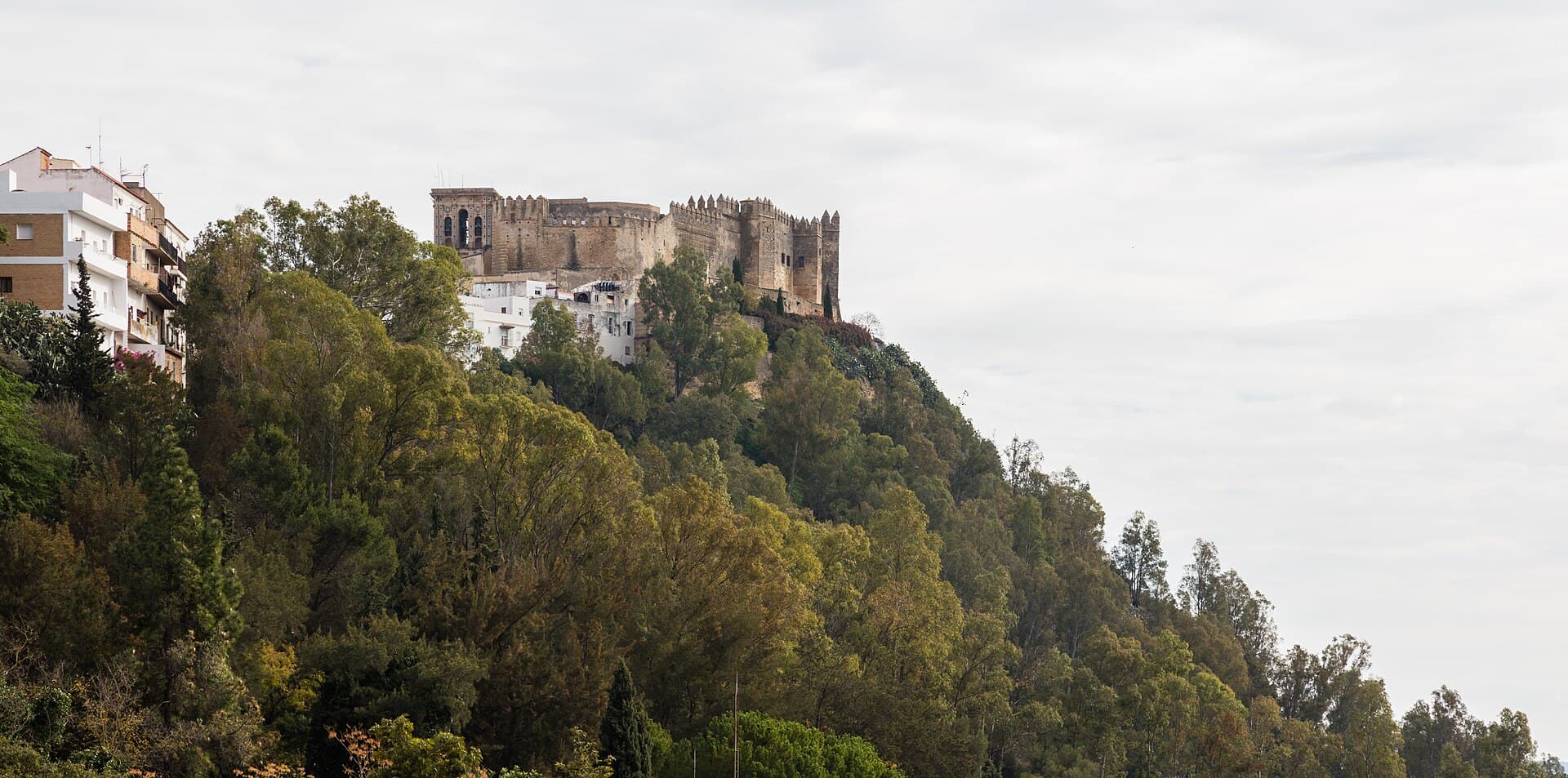
Arcos de la Frontera: A Guide to the Architecture of the Pueblos Blancos
Explore the historic houses and fortresses of Arcos de la Frontera, one of the most emblematic destinations in the province of Cádiz, with this architectural guide.
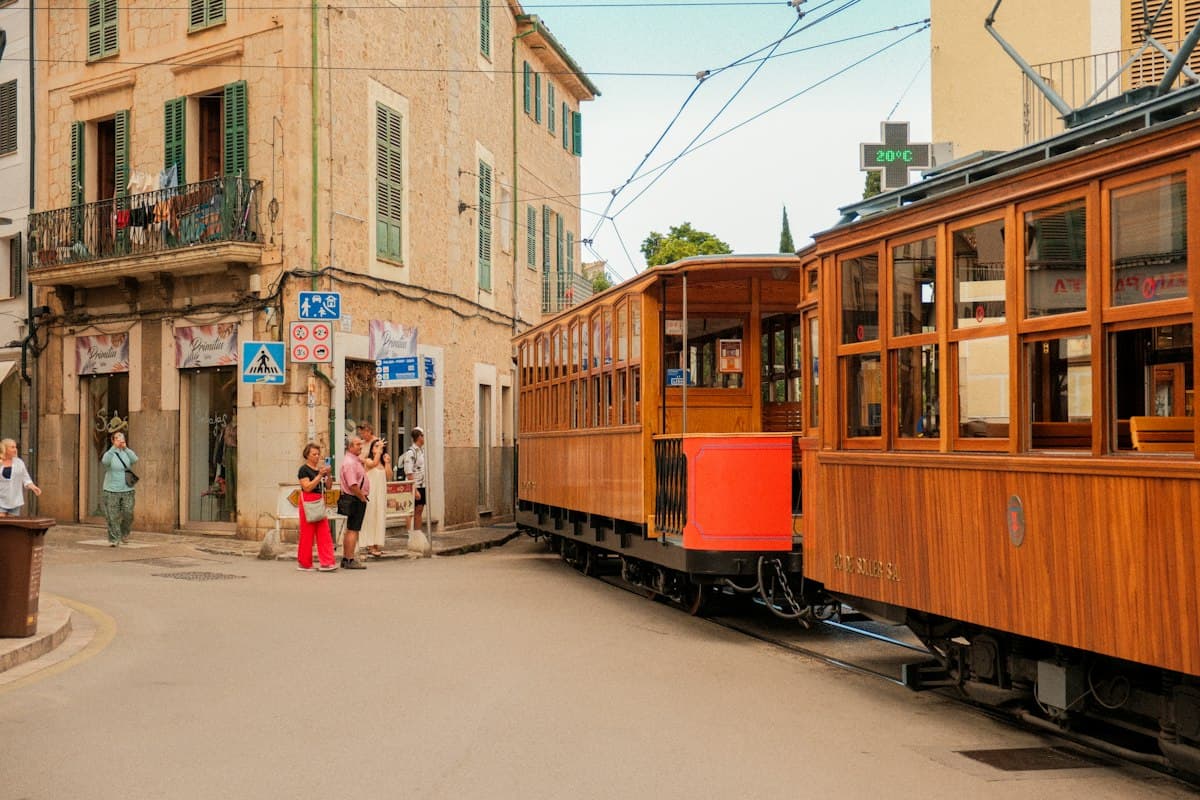
Guide to Traditional Festivals in Sóller: From Es Firó to Sant Sebastià Fire Festival
Discover the most authentic traditions of Sóller, from the historic Es Firó celebration to the ancient fire festivals that mark the local calendar.
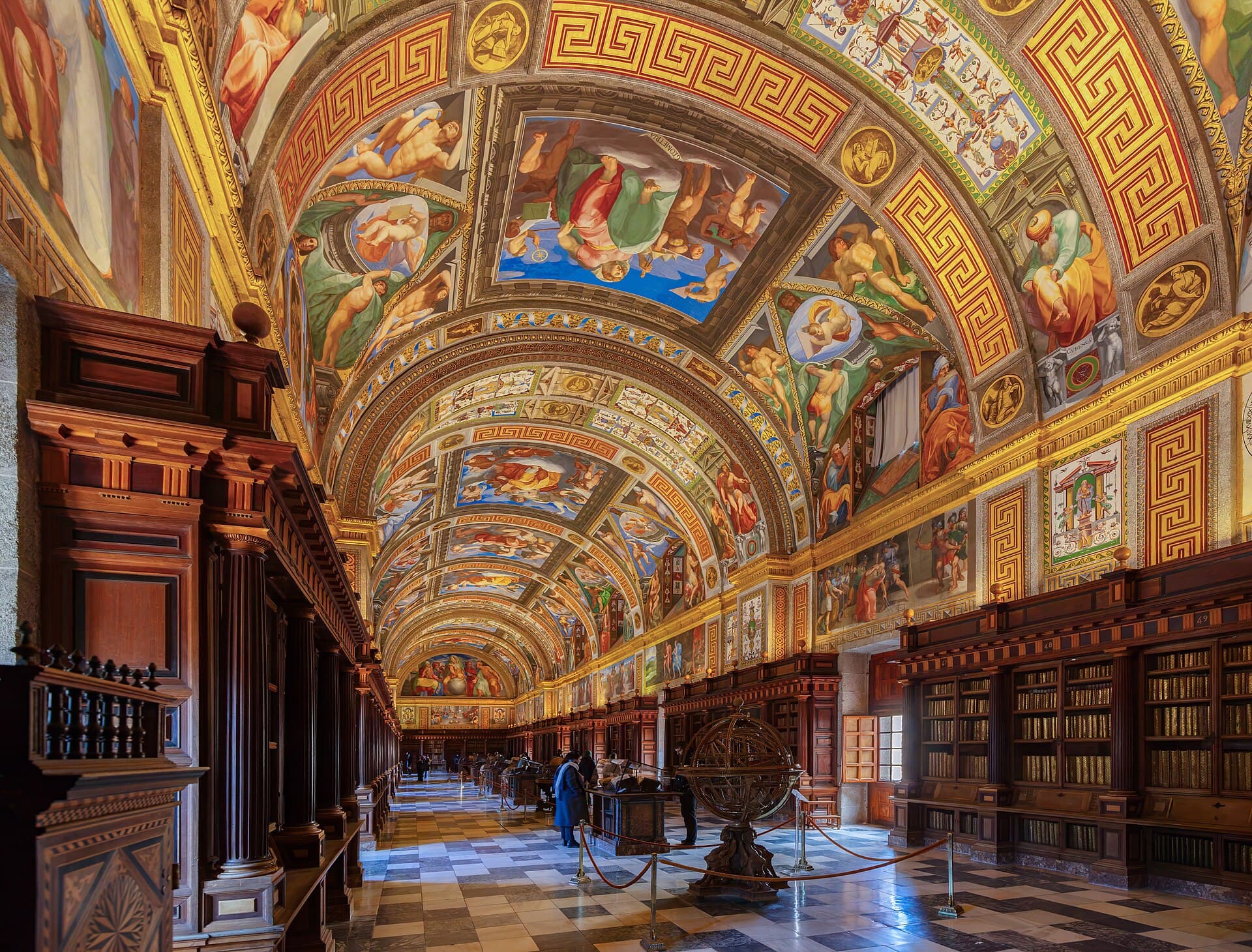
Traditional Festival Guide in San Lorenzo de El Escorial: From August 10th to the Pilgrimage
Discover how religious tradition and popular culture come together in San Lorenzo de El Escorial. Learn about the local festivals that bring this Real Sitio to life.
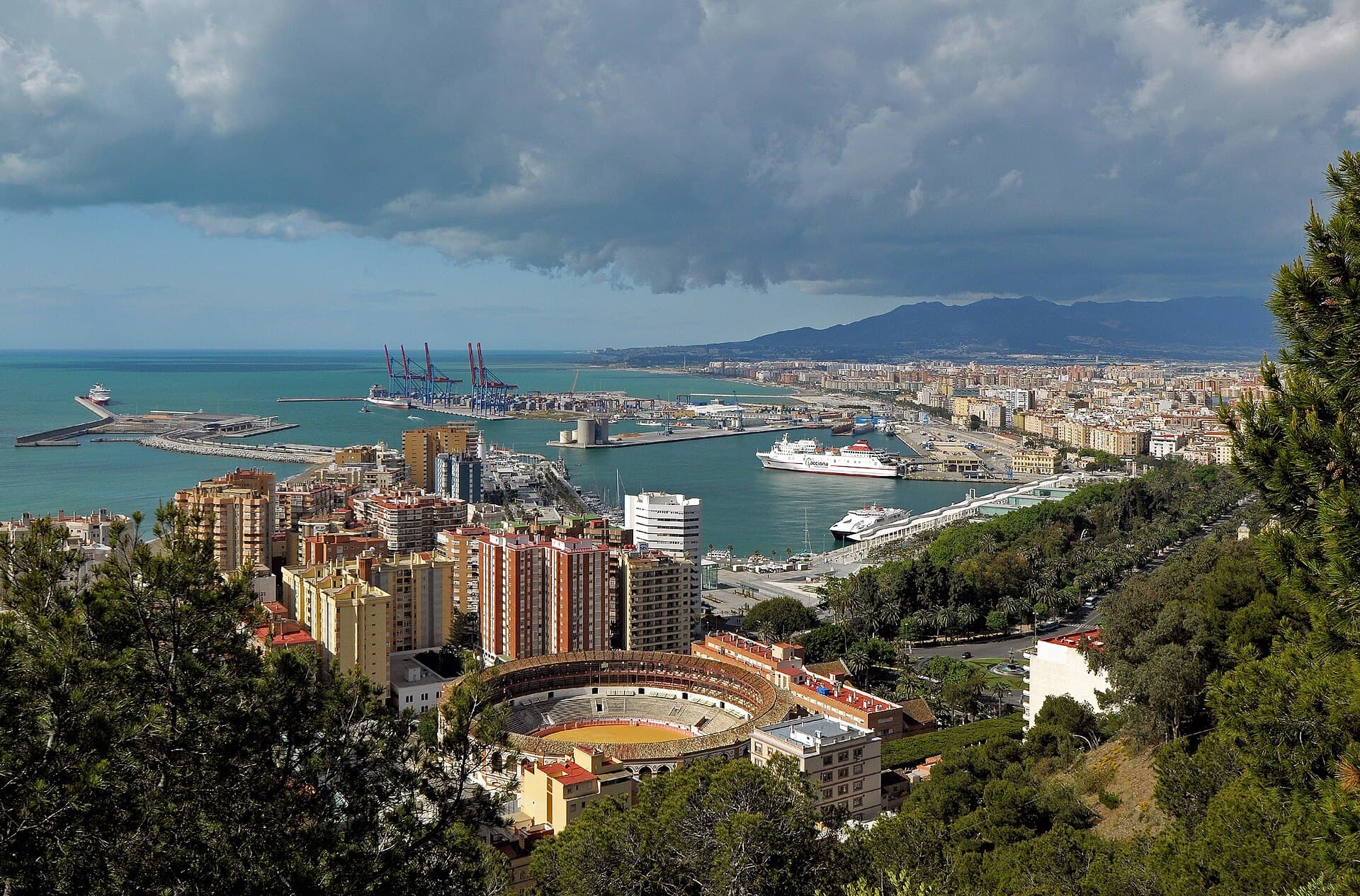
Malaga Beyond the Obvious: 10 Secrets and Curious Facts About the Capital of Costa del Sol
Discover hidden secrets, unusual traditions, and historical facts that make Malaga one of the most surprising cities in Spain for those who live here.