
Historical Barrios in Canarias: Where History Meets the Present
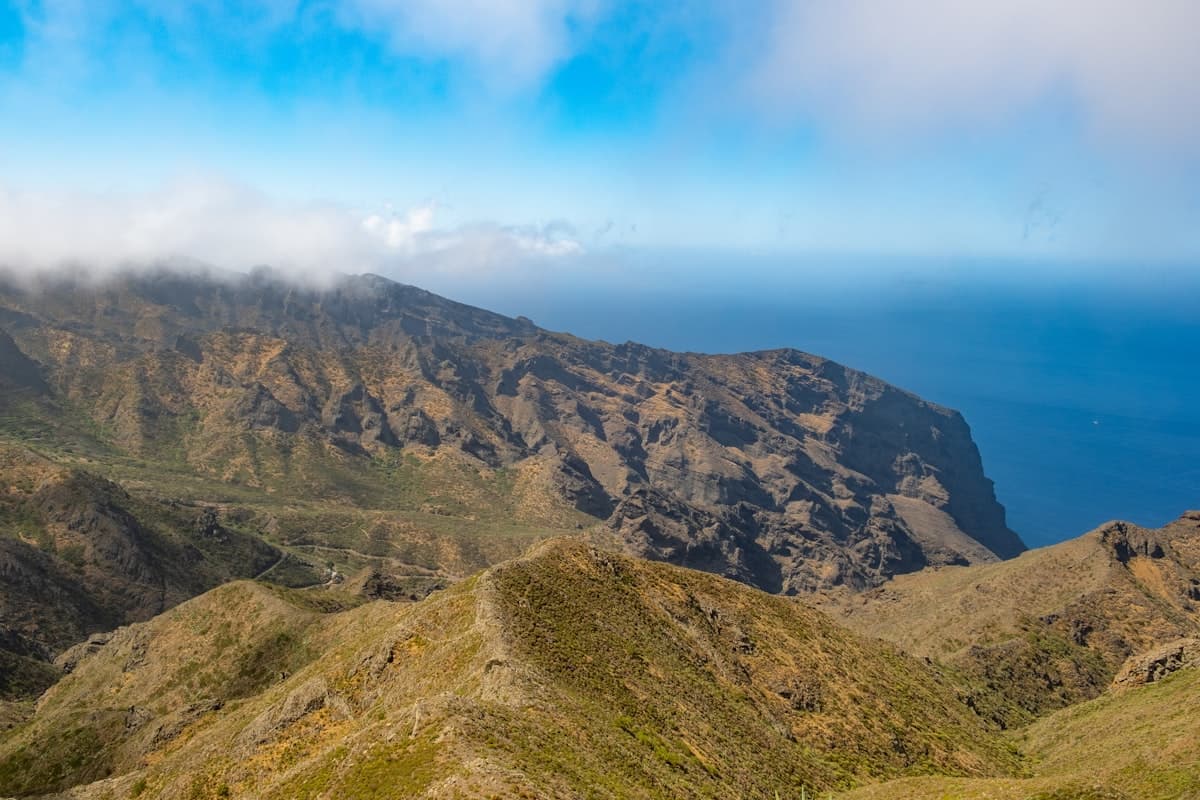
To understand Canarias, one must look beyond its beaches to the layout of its old town centers. Understanding why certain streets were laid out a particular way or the origin of its buildings allows for a deeper connection with the reality of those who chose to live in this region of Spain.
The Foundation in Vegueta
The Barrio de Vegueta is the historical cradle of Las Palmas de Gran Canaria. Its origins date back to the end of the 15th century, following the city's founding by Castilian troops in 1478. This neighborhood was the administrative and religious core for centuries, where the first colonizers settled. The current architecture reflects centuries of transformation, housing key points such as the Cathedral of Santa Ana, which began construction at the start of the 16th century, and the House of Columbus, marking the historical passage of the navigator through the island.
The Layout of San Francisco de Telde
The Casco Histórico de San Francisco de Telde offers a distinct view of colonization. Unlike other urban centers, its narrow and labyrinthine streets have characteristics reminiscent of old Andalusian neighborhoods, resulting from an urban planning that prioritized the protection and intimacy of residential spaces. The houses, typically built close together, were arranged to create an isolating environment that persists today, with traffic restrictions preserving the silence and original historical character of the area.

The Development of Gáldar
Visiting the historic district of Gáldar, one finds the epicenter of pre-Hispanic history in Gran Canaria. Before the arrival of Castilian conquerors, this location was already a significant social and political center for the island's aborigines. The development of the neighborhood after the Conquest occurred over this previous structure, making it one of the best places to understand the transition between indigenous lifestyle and the new European social order that established itself from 1483.
Tradition in Tejeda
Located in the higher regions of Gran Canarian peaks, Tejeda maintained its rural character largely due to its geographical distance from the capital. Historical isolation functioned as a barrier that protected local traditions, allowing vernacular architecture and rural living habits to remain unchanged longer than in coastal areas. It is a living example of how island topography defined the evolution of human settlements, maintaining a balance between agricultural past and present.
For official information and details about the preservation and visitation of these spaces, always consult the Official Tourism Website of Gran Canaria and the portal Hola Islas Canarias, which compile data on historical and cultural sites in the region.
Sources
Enjoyed it? Don't miss what's next.
Articles, guides and opportunities for Brazilians in Spain, straight to your inbox.
Our social media
Follow our posts wherever you prefer.
What did you think of this content?
Comments
Leave a comment
Your email won't be published. Comments go through moderation before appearing.
Review before sending — comments can't be edited after submission.
0/1000More in Articles
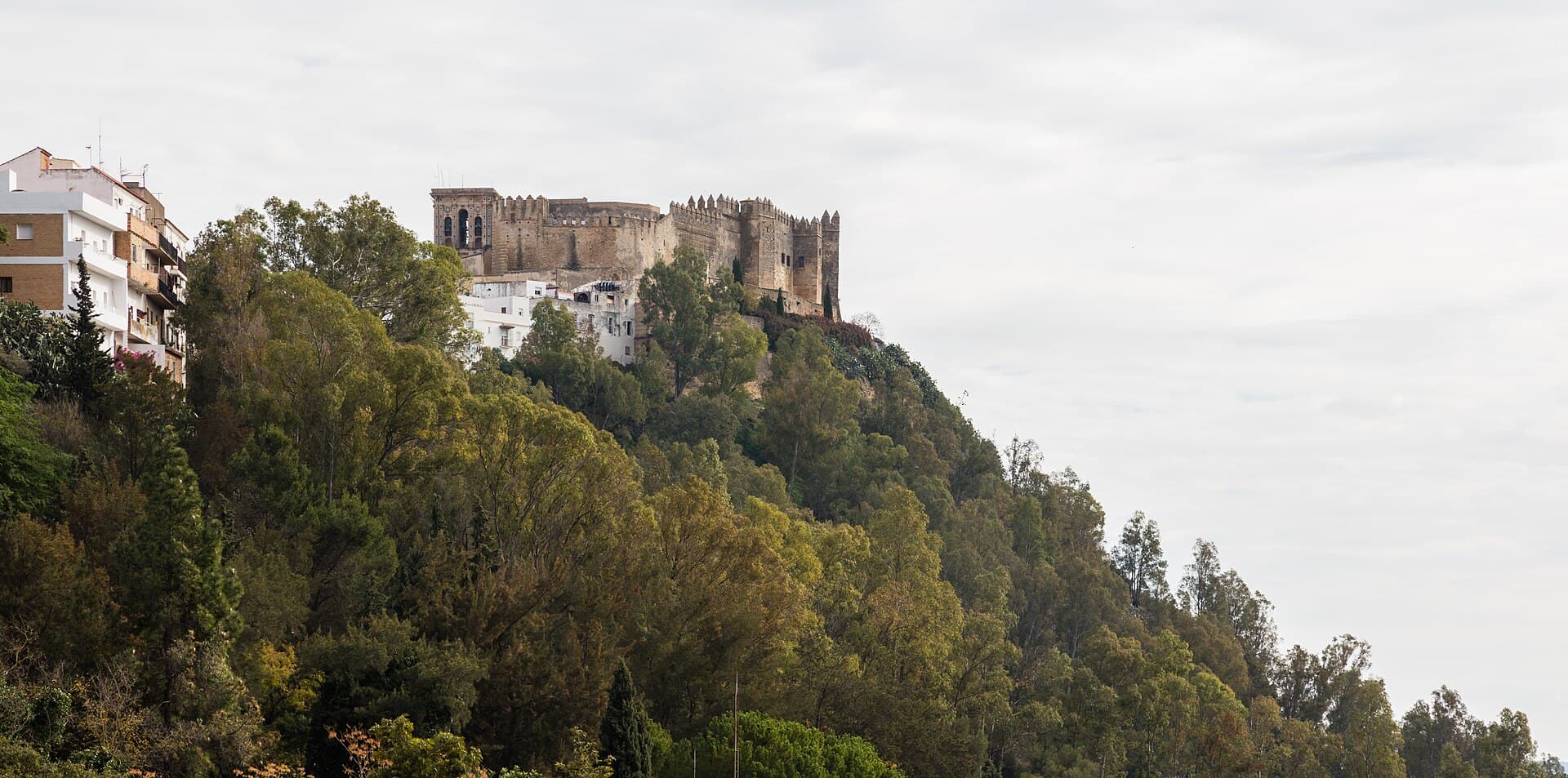
Arcos de la Frontera: A Guide to the Architecture of the Pueblos Blancos
Explore the historic houses and fortresses of Arcos de la Frontera, one of the most emblematic destinations in the province of Cádiz, with this architectural guide.
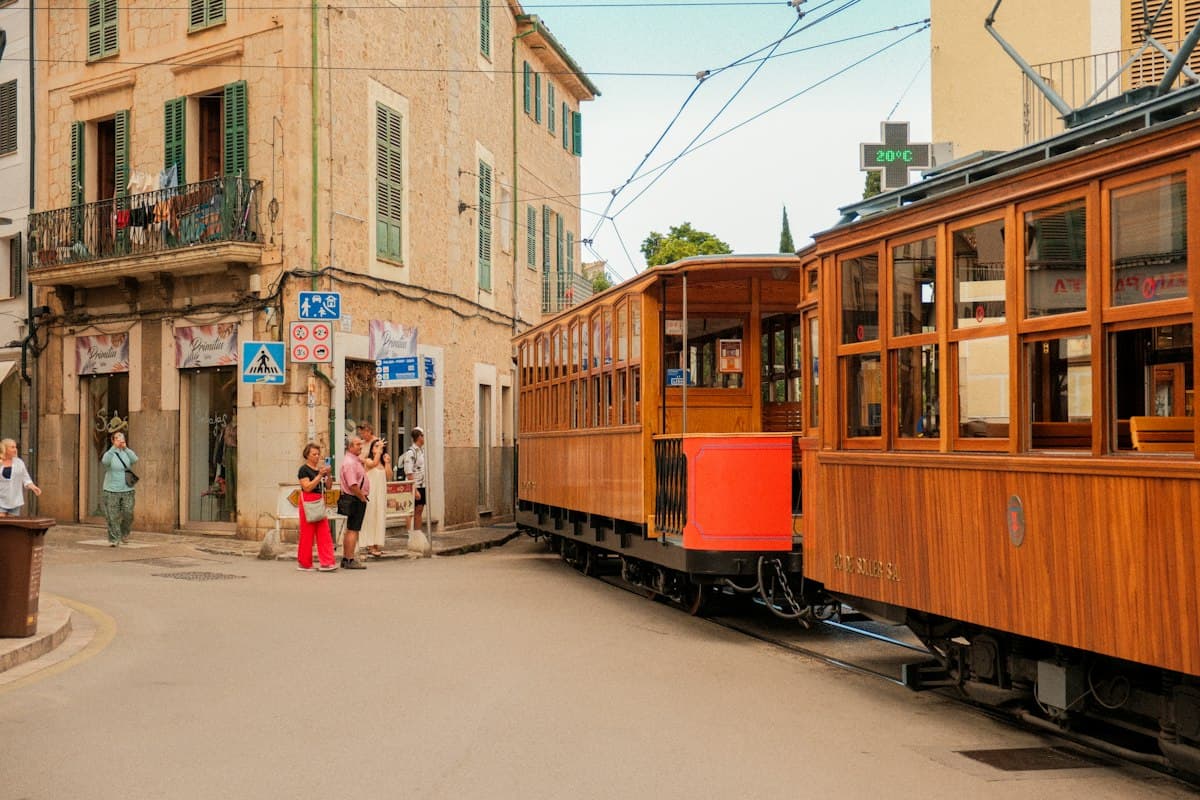
Guide to Traditional Festivals in Sóller: From Es Firó to Sant Sebastià Fire Festival
Discover the most authentic traditions of Sóller, from the historic Es Firó celebration to the ancient fire festivals that mark the local calendar.
Traditional Festival Guide in San Lorenzo de El Escorial: From August 10th to the Pilgrimage
Discover how religious tradition and popular culture come together in San Lorenzo de El Escorial. Learn about the local festivals that bring this Real Sitio to life.
Malaga Beyond the Obvious: 10 Secrets and Curious Facts About the Capital of Costa del Sol
Discover hidden secrets, unusual traditions, and historical facts that make Malaga one of the most surprising cities in Spain for those who live here.