
Málaga's Historic Center: A Journey Through the City's Origins
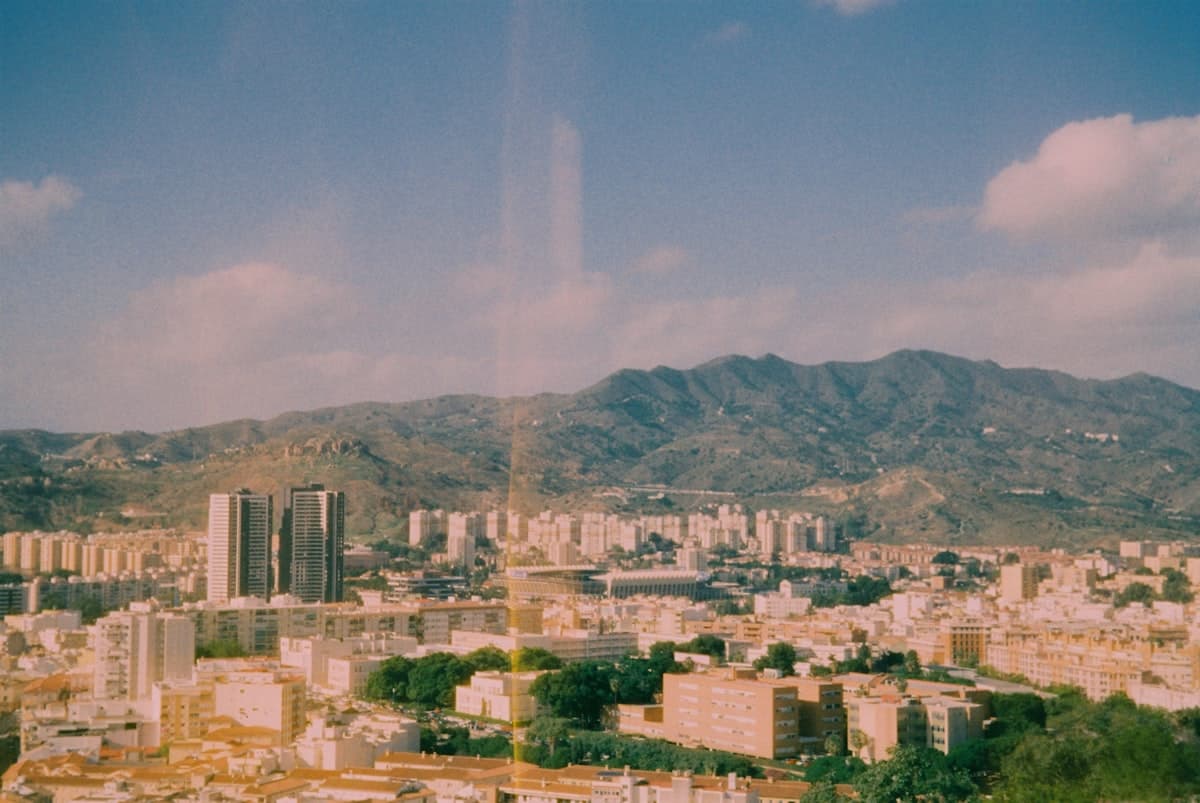
The Historic Center of Málaga is more than just the city's commercial heart; it is a protected historic-artistic ensemble that delineates the area where urban life resided within defensive walls for centuries. Understanding the evolution of this area is essential for those who have moved to the region and wish to comprehend how the city expanded from its original nucleus.
The Delimitation of the Old Town
The urban layout we know today is the result of centuries of history, geographically bounded by landmarks that still guide residents. To the north, the boundary is established by Calle Carretería, while the southern edge meets the Paseo del Parque and the Parque de Málaga. Historically, to the west, the border was marked by the Río Guadalmedina, which served as a natural barrier for the walled city.
The Legacy of the Nazari Wall
The development of Málaga's center is intrinsically linked to its medieval history, specifically the Nazari period when the city was fortified. The Alcazaba, with its tunnel, located in the northwest area, was the main defensive bastion of that time — it is today one of the most visited monuments in the city, with its gardens and view over the port.
In the same zone, Plaza de la Merced and Calle Álamos reinforce the strategic importance this area had as part of the fortified perimeter.
The organization of the streets, many of which maintain a traditional human scale, allows one to observe how the city was structured around these defenses. The Catedral de la Encarnación de Málaga, built on top of the former main mosque of the city, is the central religious monument of the historic center.
Next to the Alcazaba, the Teatro Romano de Málaga — discovered only in 1951 during construction work — exposes ruins of a theater from the 1st century BC, the oldest visible trace of the city.
The Iglesia de San Juan, one of the first parishes founded after the Christian reconquest of the city, reflects the religious layer that overlaid the Islamic period.
Transition to Modernity
As we move out of the walled core towards the south, we find Calle Larios, which today functions as the city's main social and commercial artery. It marks the southern limit of the old town, serving as a transition between dense historical architecture and the open areas of port expansion.
For those who wish to explore Málaga's heritage deeply, it is worth highlighting the Castillo de Gibralfaro, a fortress on top of a hill connected to the Alcazaba by a corridor of walls — from the lookout next to the castle, the view encompasses the entire city and port.
The Mercado Central de Atarazanas, built in the 19th century over the former Nazari shipyard, preserves to this day the original horseshoe arch entrance of the Islamic building — a rare direct contact point between the modern market and medieval Málaga.
Beyond monumental constructions, the center preserves elements of historical daily life in places like the Baños Árabes (Hammam Al Ándalus), which highlight the Andalucian past. For details on the city’s heritage conservation plan, the Ayuntamiento de Málaga provides information about monuments and district history.
Sources
Centro Histórico (Málaga) - Wikipedia Málaga en clave urbana - Málaga Hoy Centro histórico de Málaga - Memorias Málaga
Enjoyed it? Don't miss what's next.
Articles, guides and opportunities for Brazilians in Spain, straight to your inbox.
Our social media
Follow our posts wherever you prefer.

What did you think of this content?
Comments
Leave a comment
Your email won't be published. Comments go through moderation before appearing.
Review before sending — comments can't be edited after submission.
0/1000More in Articles
Arcos de la Frontera: A Guide to the Architecture of the Pueblos Blancos
Explore the historic houses and fortresses of Arcos de la Frontera, one of the most emblematic destinations in the province of Cádiz, with this architectural guide.
Guide to Traditional Festivals in Sóller: From Es Firó to Sant Sebastià Fire Festival
Discover the most authentic traditions of Sóller, from the historic Es Firó celebration to the ancient fire festivals that mark the local calendar.
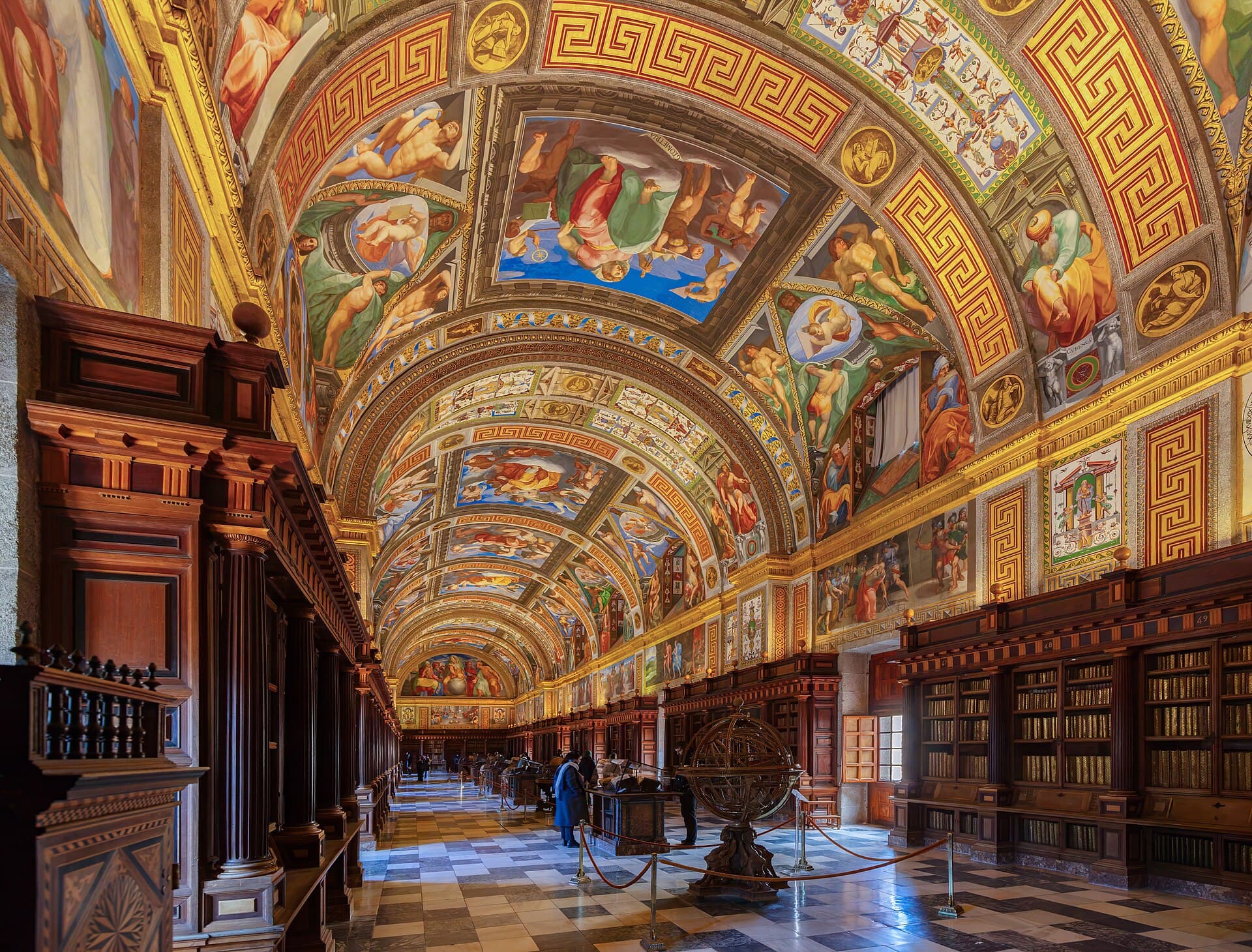
Traditional Festival Guide in San Lorenzo de El Escorial: From August 10th to the Pilgrimage
Discover how religious tradition and popular culture come together in San Lorenzo de El Escorial. Learn about the local festivals that bring this Real Sitio to life.
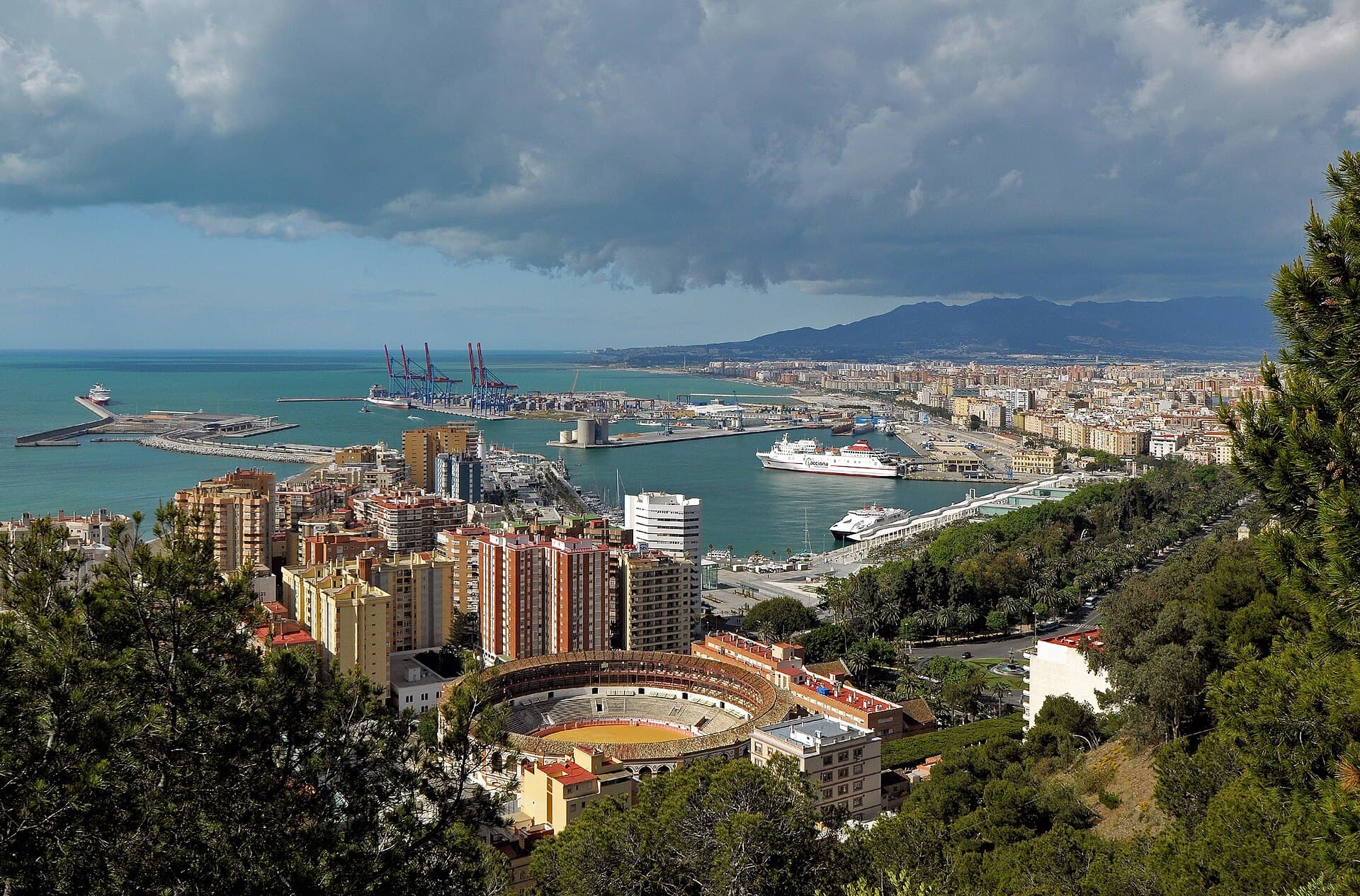
Malaga Beyond the Obvious: 10 Secrets and Curious Facts About the Capital of Costa del Sol
Discover hidden secrets, unusual traditions, and historical facts that make Malaga one of the most surprising cities in Spain for those who live here.