European Spanish vs Brazilian Portuguese: Differences in Everyday Life
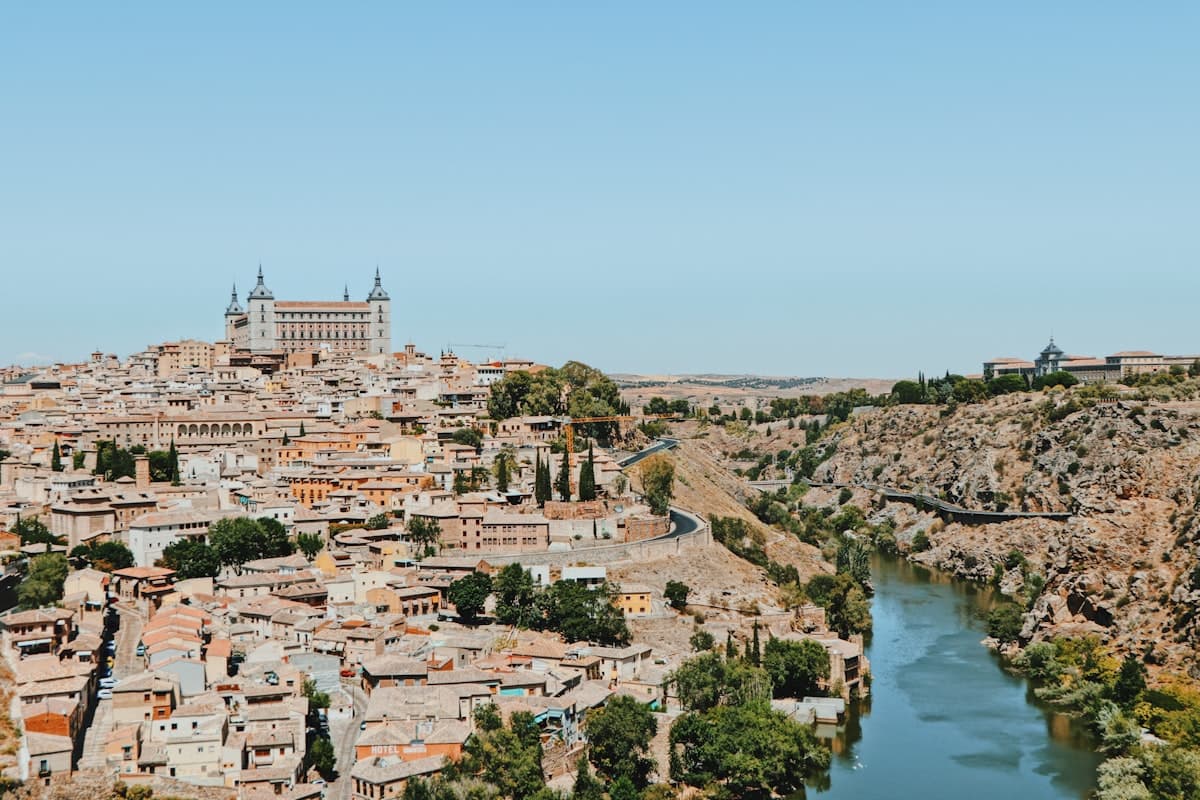
A adaptation to life in Spain goes beyond bureaucracy and choosing a neighborhood to live in. The language barrier, although it may seem small for Portuguese speakers, presents curious challenges when comparing European Spanish with our notions from Brazil. Learning the nuances of Spanish spoken in Spain is a fundamental step toward integration and better understanding local routines.
The Pronunciation of "c" and "z": The European Difference
One of the most noticeable characteristics that a Brazilian notices right away upon arriving in Spain is the clear distinction between certain consonant sounds. While in many Latin American countries, the letter "s" and the sound of "ce/ci" or "ze/zi" are pronounced the same way (known as seseo), in Spain, the distinction is rigorous.
The pronunciation of the letter "z" (and "c" followed by "e" or "i") in European Spanish is pronounced with an interdental fricative, which practically resembles a "th" sound from English, like at the beginning of the word "think". This differentiation is a pattern in Spanish speech and mastering this pronunciation demonstrates that one is assimilating the daily use of the regional language, facilitating understanding during interactions in public services or local businesses.
Phonetic Variations and the Use of "vosotros"
Another point requiring attention is verbal conjugation. Unlike what is common in many Latin American variants, in Spain, the use of "vosotros" is the standard form for addressing a group of people informally (our "vocês"). Additionally, European Spanish has peculiarities in the pronunciation of consonants at the end of syllables. Depending on the geographical region within Spain, the pronunciation of final "s" can vary significantly, being one of the traits that help identify different linguistic zones within the country.
It is also important to note that unlike Portuguese — where many teaching resources are clearly divided between Brazilian and European variants — much of the Spanish learning material available tends to be more generic. Therefore, when seeking to deepen your knowledge, ensure that the content is specific to Spanish from Spain so you can familiarize yourself with the sounds and constructions you will encounter in cities like Madrid or Barcelona.
Madrid is a vibrant capital where history blends with contemporary urban life.
Barcelona enchants with its modernist architecture and the energy of its beaches, offering a unique cosmopolitan atmosphere.
Practical Tips for Everyday Life
For those who have just arrived, it is recommended to practice active listening through local media. European Spanish has its own cadence and it's essential to get used to the speech rhythm in various autonomous communities. Remember that Spanish is not uniform. Even within Spain, there are regional differences in how phrases are articulated and specific vocabularies emerge depending on your place of residence.
Maintain patience with your learning process. Daily contact in real-life contexts is what will truly adjust your ear to these phonetic differences. If you're looking for courses or language support, always consult recognized educational institutions or adult education centers offered by local authorities, such as the information available on the Ministry of Education and Vocational Training website.
Sources
Enjoyed it? Don't miss what's next.
Articles, guides and opportunities for Brazilians in Spain, straight to your inbox.
Our social media
Follow our posts wherever you prefer.

What did you think of this content?
Comments
Leave a comment
Your email won't be published. Comments go through moderation before appearing.
Review before sending — comments can't be edited after submission.
0/1000More in Articles
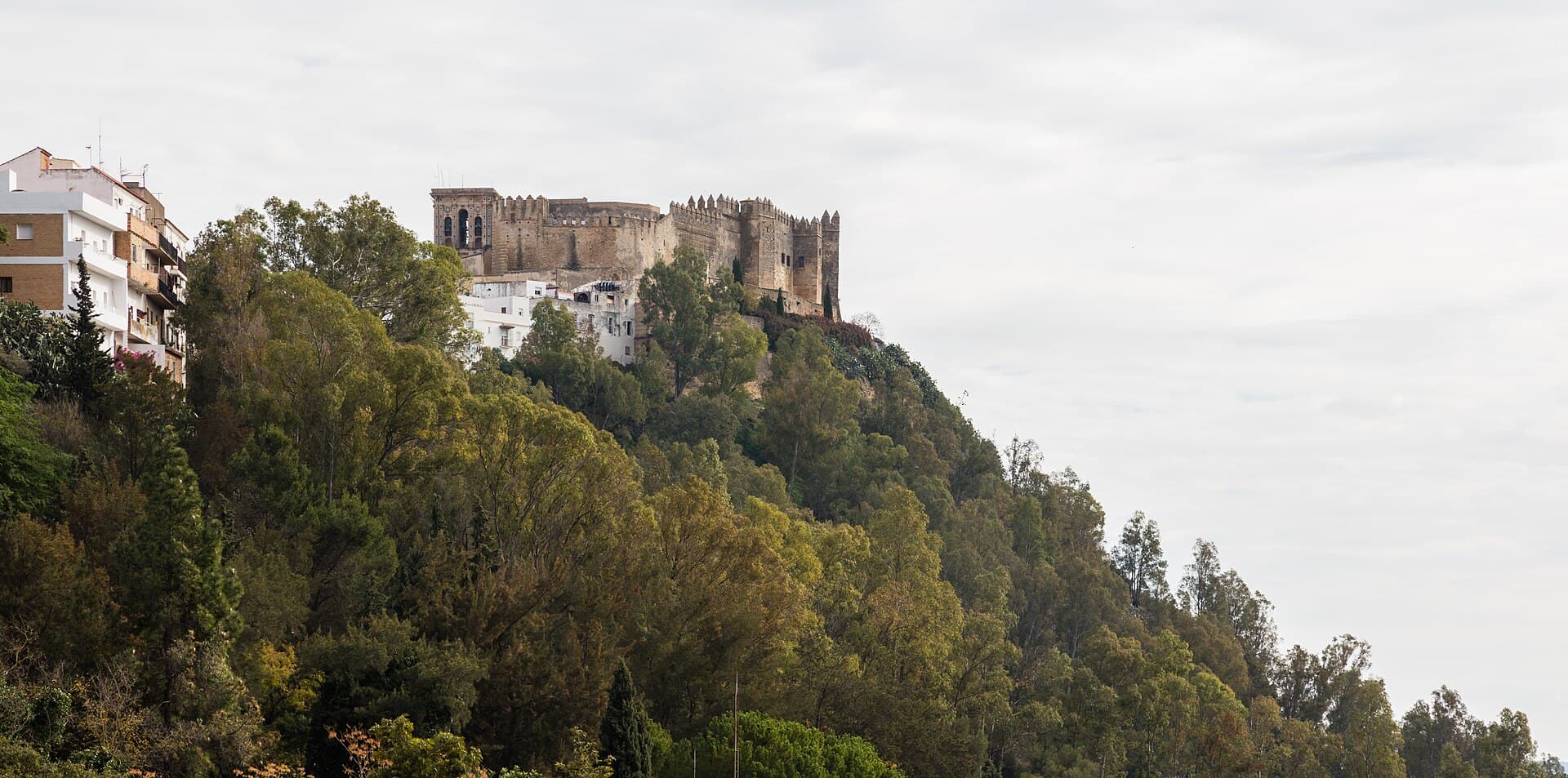
Arcos de la Frontera: A Guide to the Architecture of the Pueblos Blancos
Explore the historic houses and fortresses of Arcos de la Frontera, one of the most emblematic destinations in the province of Cádiz, with this architectural guide.
Guide to Traditional Festivals in Sóller: From Es Firó to Sant Sebastià Fire Festival
Discover the most authentic traditions of Sóller, from the historic Es Firó celebration to the ancient fire festivals that mark the local calendar.
Traditional Festival Guide in San Lorenzo de El Escorial: From August 10th to the Pilgrimage
Discover how religious tradition and popular culture come together in San Lorenzo de El Escorial. Learn about the local festivals that bring this Real Sitio to life.
Malaga Beyond the Obvious: 10 Secrets and Curious Facts About the Capital of Costa del Sol
Discover hidden secrets, unusual traditions, and historical facts that make Malaga one of the most surprising cities in Spain for those who live here.