Guide to Santa Cruz de Tenerife: What to See and Practical Tips
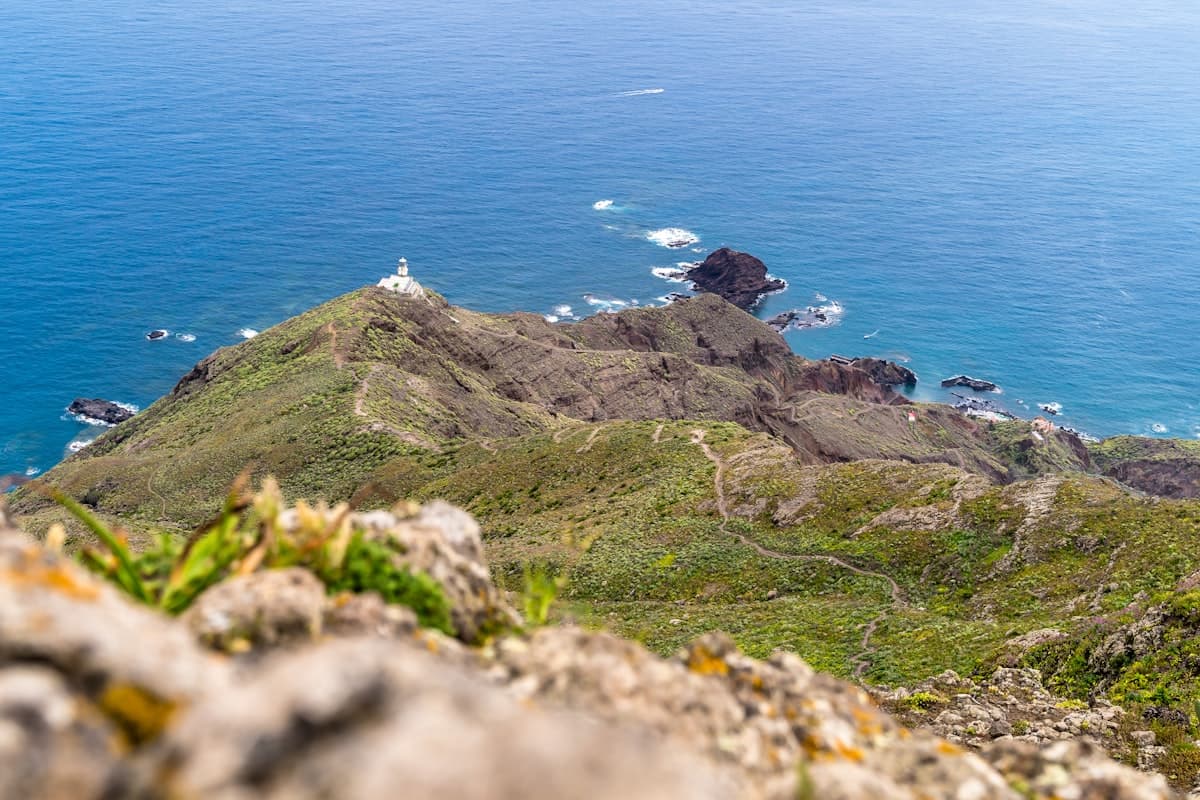
Guide to Santa Cruz de Tenerife: What to See and Practical Tips
Explore the main monuments, beaches, and local culture in Santa Cruz de Tenerife with this practical guide for Brazilian residents in Spain.
Santa Cruz de Tenerife is the administrative and cultural heart of one of the liveliest islands in The Canary Islands. Unlike other areas on the island that are strictly focused on beach tourism, the capital offers an interesting contrast between colonial history and modern, bold architecture.
Monuments and History in the Historic Center
The Plaza de España is the city's nerve center. Built in 1929 over the old Castillo de San Cristóbal, it houses a large saltwater lake. It’s an ideal place to start your tour and understand the transition of the city from its historical defensive function to its current role.
Very close by is the Plaza de la Candelaria, which houses the monument of the Triunfo de la Candelaria, dedicated to the patron saint of the archipelago. Here you can also observe the Fuente de la Plaza de la Candelaria from 1707, and the Palacio de Carta, one of the most emblematic baroque buildings in the city, built between 1721 and 1752.
For those who appreciate religious architecture, the Parroquia de San Francisco de Asís, located in the Plaza del Príncipe, is a must-visit. Originally connected to the Franciscan convent of San Pedro de Alcántara, the church closed in 1823 after the desamortización and reopened 25 years later. The building has undergone numerous artistic transformations over the centuries.
Culture, Nature, and Modern Leisure
The Auditorio de Tenerife Adán Martín is the symbol of local modernity. With a futuristic design that contrasts with the ocean, the building is an architectural landmark not to be missed.
For contact with exotic flora, visit the Palmetum, one of the most beautiful parks in The Canary Islands, or the Parque García Sanabria, the green lung of the city. If your goal is cultural and culinary immersion, the Mercado de Nuestra Señora de África is the region's most important market, a perfect place to buy local products.
Finally, don't miss out on Playa de Las Teresitas. It is one of the island's most famous beaches, known for its long stretch of golden sand and calm waters.
Tip from a Local
A common mistake made by visitors to the city is trying to do everything on foot during midday sun. The climate in The Canary Islands can be deceptive: constant breezes may mask the intensity of the sun. Avoid peak hours (between 13h and 16h) for walking around the center and use this time to visit inside the Auditorio de Tenerife or covered markets. Additionally, the city's public transportation network is efficient; use it to reach Playa de Las Teresitas, avoiding the stress of finding parking on the coast.
Practical Summary
- Historic Center: Walk through the Plaza de España and Plaza de la Candelaria to see historical monuments and the baroque architecture of the Palacio de Carta.
- Religion and Art: Visit the Parroquia de San Francisco de Asís to view the artistic evolution of the church.
- Modernity: The Auditorio de Tenerife Adán Martín is a must-stop for photos.
- Leisure and Shopping: Stroll through the Parque García Sanabria and visit the Mercado de Nuestra Señora de África.
- Beach: Set aside time to enjoy Playa de Las Teresitas.
- Extra Tip: Use public transportation to access beaches and avoid walking under the strong afternoon sun.
Sources
Enjoyed it? Don't miss what's next.
Articles, guides and opportunities for Brazilians in Spain, straight to your inbox.
Our social media
Follow our posts wherever you prefer.

What did you think of this content?
Comments
Leave a comment
Your email won't be published. Comments go through moderation before appearing.
Review before sending — comments can't be edited after submission.
0/1000More in Articles
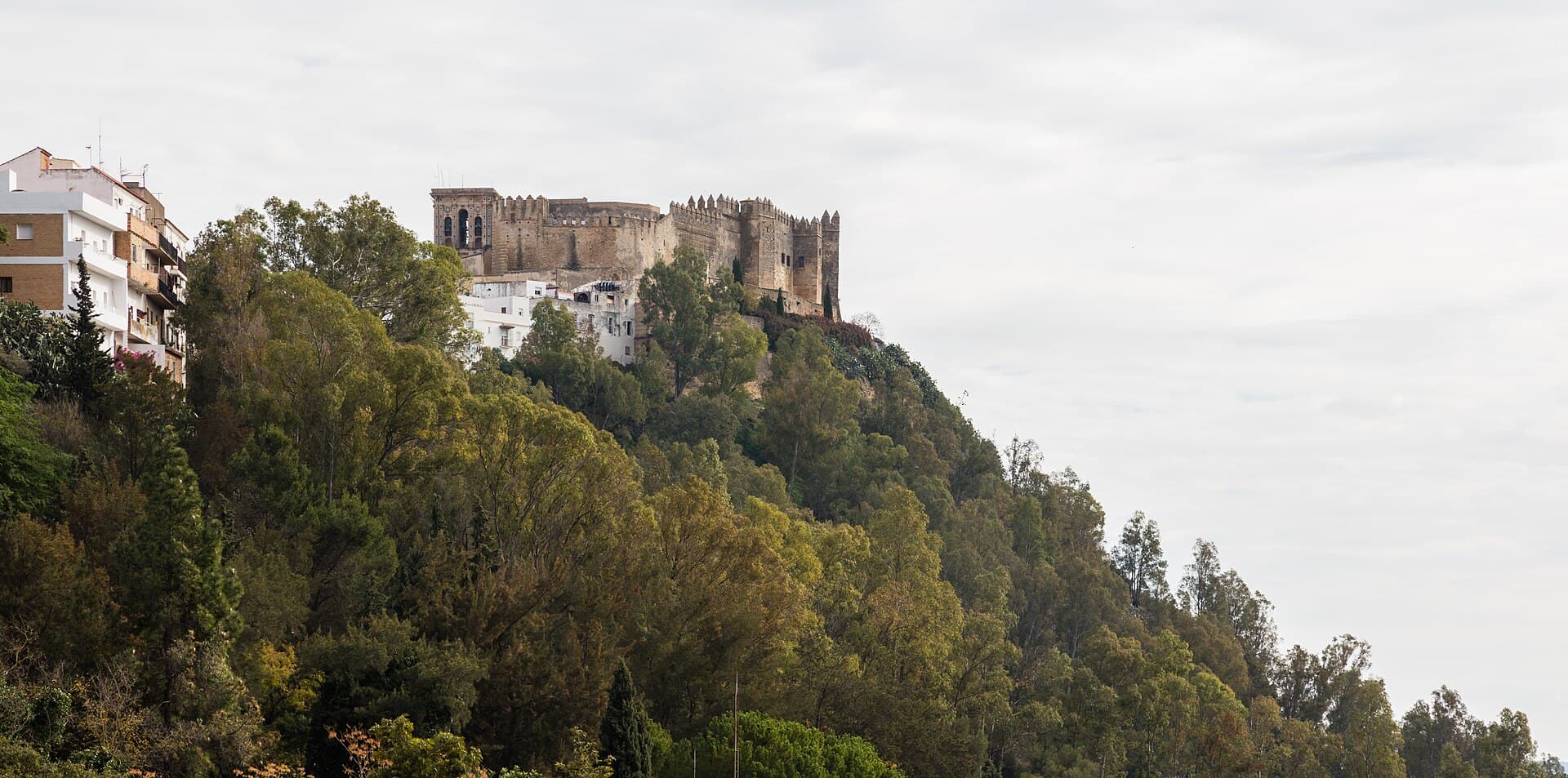
Arcos de la Frontera: A Guide to the Architecture of the Pueblos Blancos
Explore the historic houses and fortresses of Arcos de la Frontera, one of the most emblematic destinations in the province of Cádiz, with this architectural guide.
Guide to Traditional Festivals in Sóller: From Es Firó to Sant Sebastià Fire Festival
Discover the most authentic traditions of Sóller, from the historic Es Firó celebration to the ancient fire festivals that mark the local calendar.
Traditional Festival Guide in San Lorenzo de El Escorial: From August 10th to the Pilgrimage
Discover how religious tradition and popular culture come together in San Lorenzo de El Escorial. Learn about the local festivals that bring this Real Sitio to life.
Malaga Beyond the Obvious: 10 Secrets and Curious Facts About the Capital of Costa del Sol
Discover hidden secrets, unusual traditions, and historical facts that make Malaga one of the most surprising cities in Spain for those who live here.