
Markets and Popular Fairs in Spain: A Guide to Culture and Shopping
Discover how to enjoy traditional markets and craft fairs in Spain for a closer look at local products, history, and regional traditions. The culture of street markets and fairs is deeply rooted in Spanish daily life, offering everything from everyday items to themed events that recreate historical periods. For those living in the country, understanding the dynamics of these places is essential for accessing artisanal products, local cuisine, and experiencing the traditions of each region.
Local Product Markets and Craft Fairs
Craft fairs and producer markets are meeting points where you can find handmade cheeses, traditional sweets like marzipan, and cured meats. It's common for these spaces to organize educational workshops for children focused on manual techniques such as wood painting and tile making, allowing the younger audience to learn about traditional manufacturing methods.
When visiting craft fairs, especially those held in coastal areas like the Passeig Marítim de Sitges or the Hippy Market in Es Pujols, visitors can find exhibitors offering creative handmade products. An important recommendation is always to confirm prices at establishments or stalls before requesting any product to avoid misunderstandings.

Historical and Medieval Markets
Spain has a rich calendar of thematic markets, with medieval ones being one of the highlights. Events like the Cervantes Market bring together hundreds of stalls and a wide range of programs that include music, theater, and historical reenactments such as medieval tournaments and jousting matches on horseback. These fairs function as an immersion into local history and are an excellent opportunity to acquire collectible items and antiques.
Another relevant example is the Renaissance programming in Medina del Campo. Traditionally linked to its historical heritage, like the Castillo de la Mota, the city organizes fairs that evoke its commercial past. The 2026 edition is expected to take place mid-August, and it's recommended for interested parties to follow the final program, which is announced by local authorities a few weeks before the event.
Permanent Municipal Markets
In addition to temporary fairs, the network of municipal markets is a pillar of urban life. Spaces like the Mercado Central de Atarazanas in Málaga are must-visits. They serve as central points for residents seeking fresh and quality ingredients, also acting as architectural and historical landmarks of the city. Unlike itinerant fairs, municipal markets have regular operating hours, making weekly shopping planning easier.
To stay updated on the fairs happening in your autonomous community, you can consult Turismo Asturias, which details events such as the traditional Mercadón de Primavera or the fair La Segunda Flor de Grado. For national events and a calendar of fairs, the portal NexoFerias provides useful information for those looking to exhibit or visit official markets of artisanal products.
When planning your visit, always check the social media or website of the ayuntamiento (city council) in the city where you reside, as that is where the official cultural calendar and operating rules of each market are published.
Sources
Spain.info - Craftsmanship and fairs Turismo Asturias - Agenda of Asturias NexoFerias - Ferias y mercados para expositores
Enjoyed it? Don't miss what's next.
Articles, guides and opportunities for Brazilians in Spain, straight to your inbox.
Our social media
Follow our posts wherever you prefer.
What did you think of this content?
Comments
Leave a comment
Your email won't be published. Comments go through moderation before appearing.
Review before sending — comments can't be edited after submission.
0/1000More in Articles
Arcos de la Frontera: A Guide to the Architecture of the Pueblos Blancos
Explore the historic houses and fortresses of Arcos de la Frontera, one of the most emblematic destinations in the province of Cádiz, with this architectural guide.
Guide to Traditional Festivals in Sóller: From Es Firó to Sant Sebastià Fire Festival
Discover the most authentic traditions of Sóller, from the historic Es Firó celebration to the ancient fire festivals that mark the local calendar.
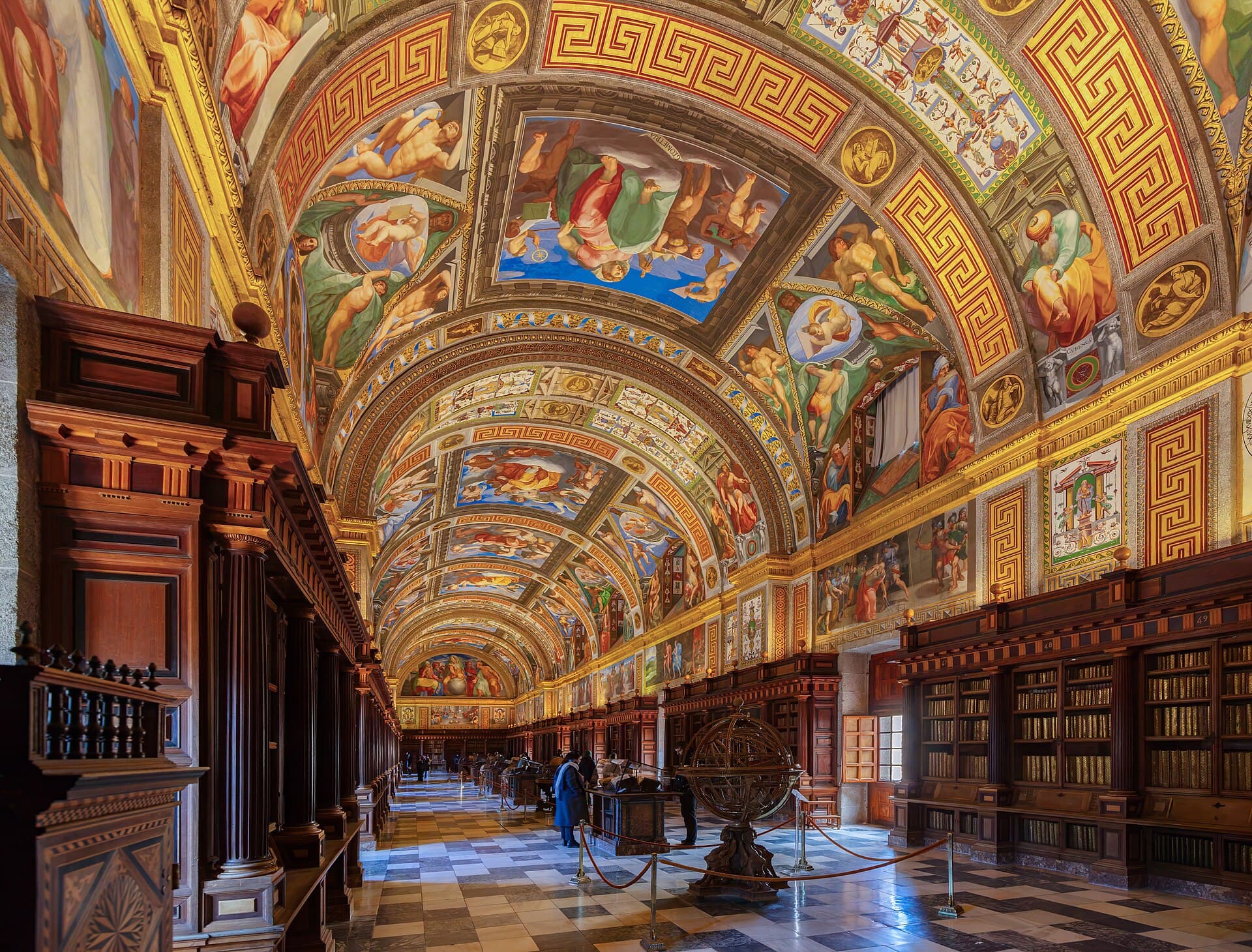
Traditional Festival Guide in San Lorenzo de El Escorial: From August 10th to the Pilgrimage
Discover how religious tradition and popular culture come together in San Lorenzo de El Escorial. Learn about the local festivals that bring this Real Sitio to life.
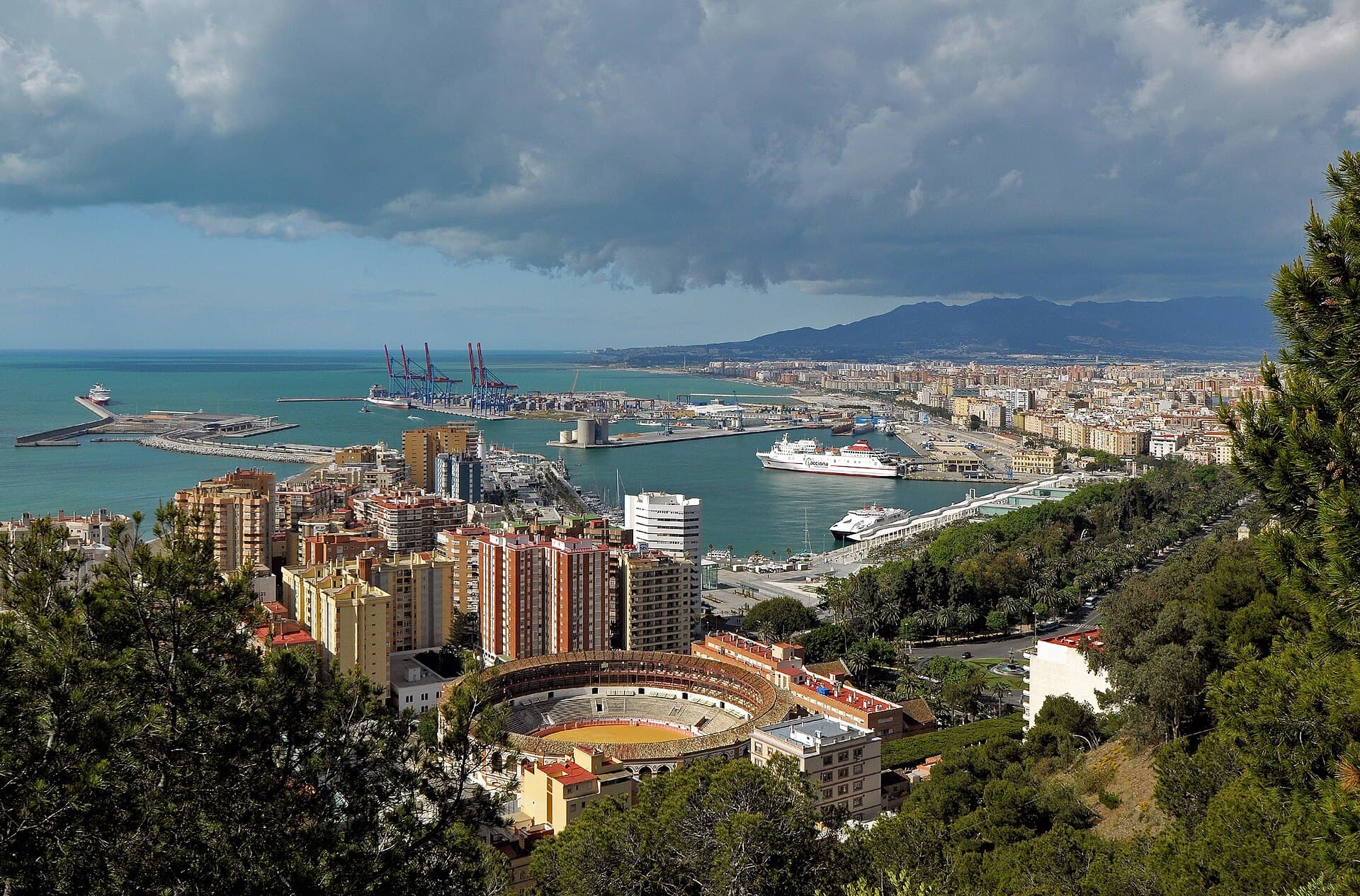
Malaga Beyond the Obvious: 10 Secrets and Curious Facts About the Capital of Costa del Sol
Discover hidden secrets, unusual traditions, and historical facts that make Malaga one of the most surprising cities in Spain for those who live here.