
Valencia: History and Curiosities for Those Living in Spain
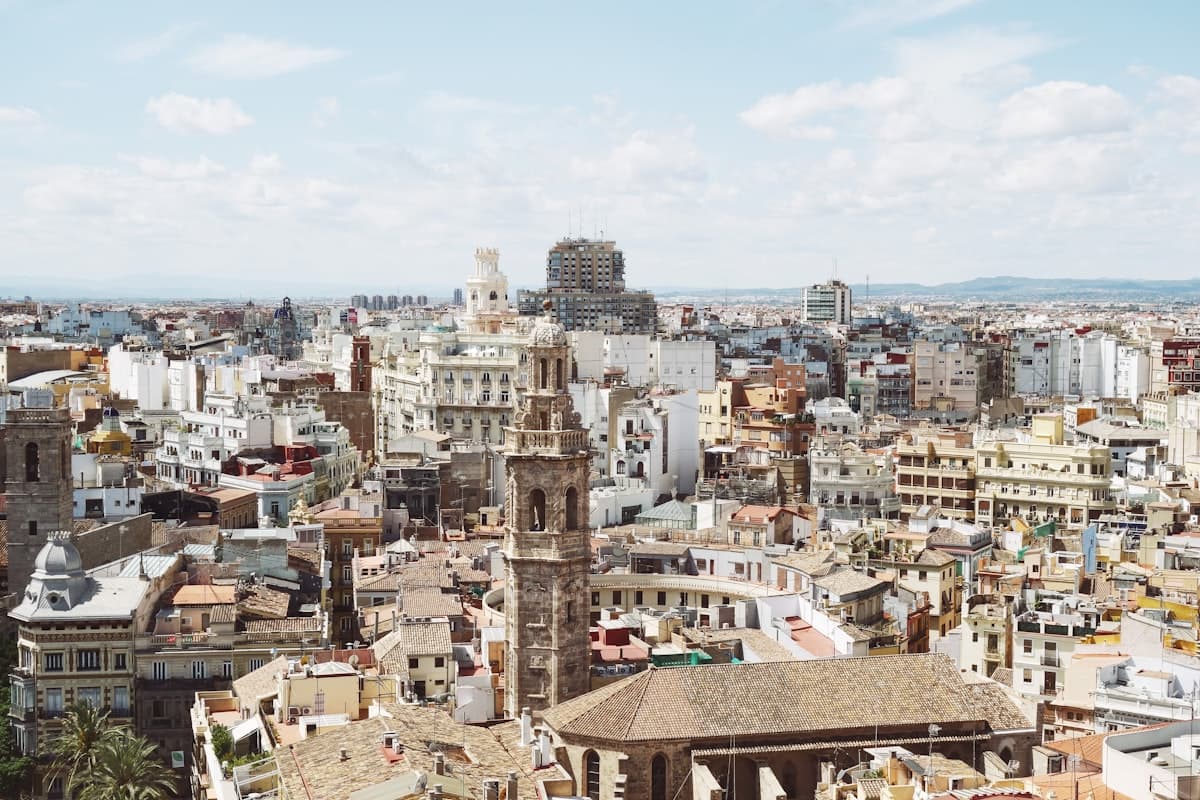
Valencia, with over 2,000 years of history, is much more than just beaches and sunshine. For those who have recently moved to the area, understanding the evolution of the city helps connect with its local environment. Founded by the Romans in 138 B.C., the city has become a true melting pot of cultures, absorbing Roman, Moorish, and Christian influences that shape its identity and architecture even today.
Roots and Secrets of the Historical Center
As you walk through the center, you can observe details that most hurried visitors miss. One of the most iconic points is the Catedral de Valencia. At the Puerta del Palau, there's a representation of seven couples. The legend says that after King Jaime I conquered the city, he brought 300 maidens from Lérida to marry his soldiers, giving rise to these historical marriages.
Another example of local architectural heritage is the Mercado Colón. This building is a jewel of Valencian modernism and an essential point for understanding how the city integrated its past into modern habits. The market, which today houses various culinary options, reflects the urban development of the early 20th century.

The Origin of Paella: A Tradition from the Countryside
Many Brazilians who arrive in Spain believe that paella is a luxury dish, but its history is deeply linked to rural workers. The dish originated in the 15th and 16th centuries in the region of Albufera. Farmers prepared their food with whatever ingredients were available at the time. An interesting fact often overlooked is that primitive recipes from the area used elements now unimaginable, such as "rata de Albufera." Today's cuisine has evolved, but visiting the natural park area is a practical lesson on the roots of local gastronomy.
Science and Modernity in Ciudad de las Artes y las Ciencias
The Ciudad de las Artes y las Ciencias is the architectural counterpart to ancient history. Within this complex, the Museo de las Ciencias Príncipe Felipe holds secrets of engineering and technical curiosities that surprise visitors. The entire complex reflects contemporary Valencia, which balances the preservation of its secular monuments with investment in futuristic landmarks.
For those who wish to delve deeper into the cultural offerings, I recommend always checking Visit València, the official tourism portal that details schedules and current exhibitions. Take a moment to observe how each neighborhood, from Carmen to the port areas, carries layers of this history that blends Roman dominance with traditions defining today's Valencian people.
Sources
Enjoyed it? Don't miss what's next.
Articles, guides and opportunities for Brazilians in Spain, straight to your inbox.
Our social media
Follow our posts wherever you prefer.
What did you think of this content?
Comments
Leave a comment
Your email won't be published. Comments go through moderation before appearing.
Review before sending — comments can't be edited after submission.
0/1000More in Articles
Arcos de la Frontera: A Guide to the Architecture of the Pueblos Blancos
Explore the historic houses and fortresses of Arcos de la Frontera, one of the most emblematic destinations in the province of Cádiz, with this architectural guide.
Guide to Traditional Festivals in Sóller: From Es Firó to Sant Sebastià Fire Festival
Discover the most authentic traditions of Sóller, from the historic Es Firó celebration to the ancient fire festivals that mark the local calendar.
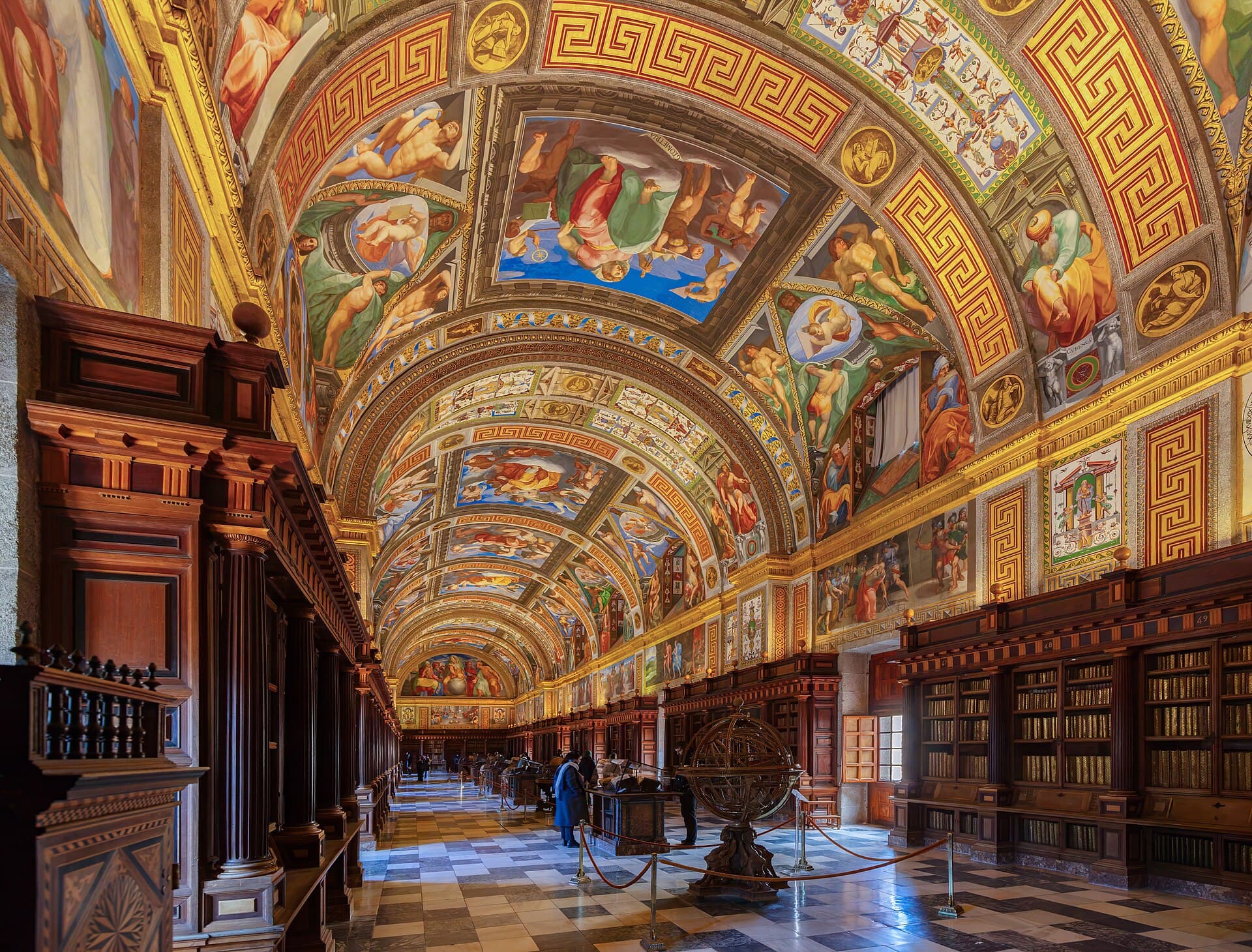
Traditional Festival Guide in San Lorenzo de El Escorial: From August 10th to the Pilgrimage
Discover how religious tradition and popular culture come together in San Lorenzo de El Escorial. Learn about the local festivals that bring this Real Sitio to life.
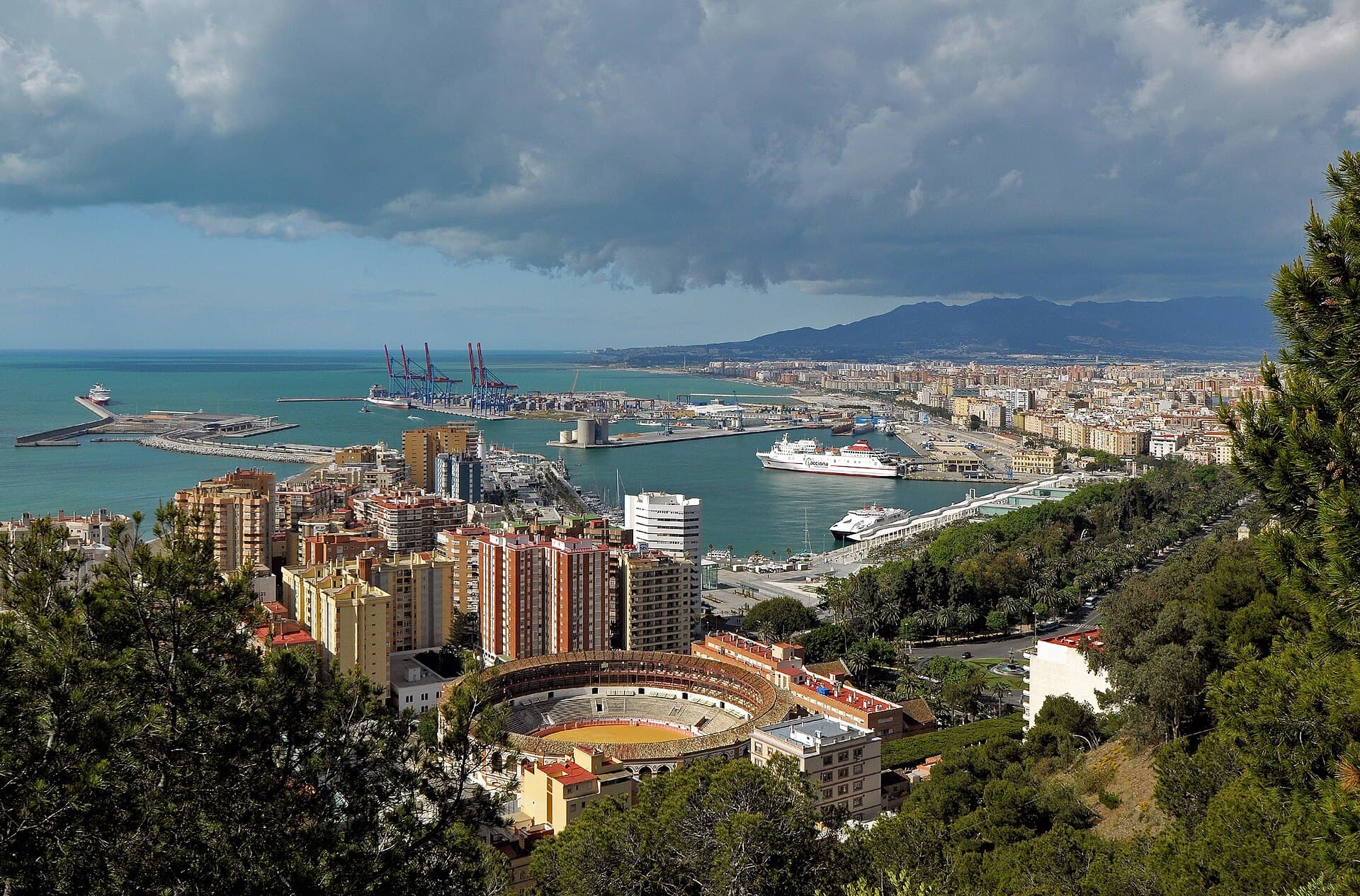
Malaga Beyond the Obvious: 10 Secrets and Curious Facts About the Capital of Costa del Sol
Discover hidden secrets, unusual traditions, and historical facts that make Malaga one of the most surprising cities in Spain for those who live here.