Noche de San Juan 2026: the complete guide for Brazilians in Spain
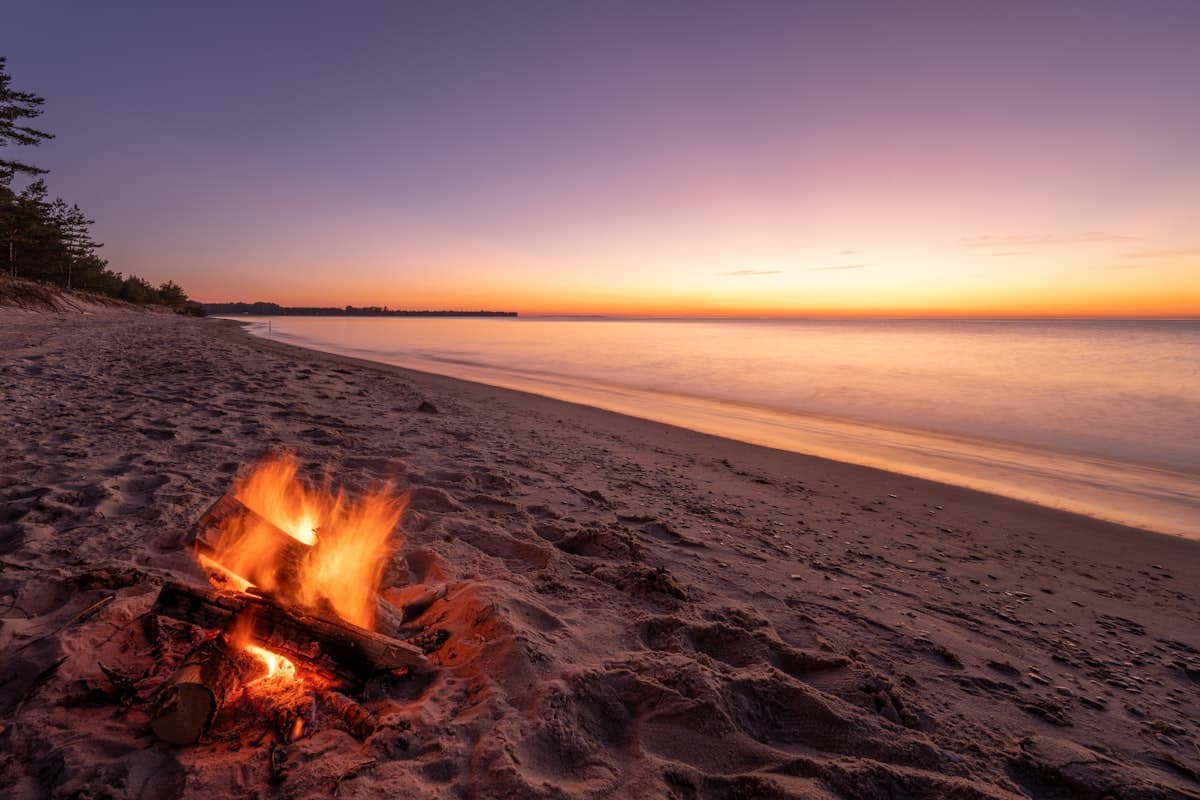
The Noche de San Juan (or Festa de Sant Joan, in Catalan) is the most celebrated night of the Spanish summer. It happens on the night of June 23rd to the 24th, the eve of Saint John's Day, and brings together everything from crowded beaches to bonfires in squares and on mountains all over Spain.
For Brazilians living in or visiting the country, it is an experience that is well worth it — and one that bears a certain resemblance to the atmosphere of the festas juninas in Brazil, with bonfires, music, and a sense of community in the streets.

What is the Noche de San Juan?
The festival has pagan origins linked to the summer solstice, which the Spanish used to celebrate with bonfires to ward off evil spirits and ask for protection for the harvest. Over time, it was incorporated into the Christian calendar as the eve of Saint John the Baptist, but the popular traditions — fire, water, purification rituals — survived intact.
Today, it is a secular, popular, street festival. People gather in groups of friends and family, bring food and drink, light bonfires (where permitted), and stay awake until dawn.
The rituals of the night
There are a series of traditions that you will see — and can participate in:
- Jumping over the bonfire three times: the most classic ritual. Each jump represents a turning point, a new beginning, a wish.
- Writing a wish on paper and burning it: it is thrown into the fire along with the bonfire.
- Going into the sea at midnight: in coastal cities, many people enter the ocean at exactly 00:00 as a purification ritual. In some regions, people take three steps backward in the water.
- Eating coca de Sant Joan: a typical Catalan sweet, a kind of flat sweet bread topped with candied fruits and cream. In other regions, there are local variations.
Alicante — the most famous party in Spain
If you want to experience the Noche de San Juan in its most spectacular version, Alicante is the destination. The Hogueras de San Juan are declared a Festival of International Tourist Interest — and they deserve every letter of that title.

Throughout the week leading up to the 23rd, the city fills with artistic monuments (the "hogueras") — structures made of wood and papier-mâché up to 12 meters high, created by local artists. They are exhibited in the city streets, illuminated at night, and the people of Alicante vote for them as if they were works of art — which they truly are.
On the night of June 23rd, at 00:00, La Cremà begins: all the hogueras are burned simultaneously in a spectacle of light, fire, and fireworks that lasts about 30 minutes and is impossible to forget.

Other highlights of the party in Alicante:
- Mascletàs: gunpowder explosions (sound, more than light) in the middle of the day — a Valencian tradition that Alicante shares.
- A Banyà: the moment when firefighters soak the crowd with hoses — literally a collective bath in the streets.
- Fire Mass and parades: follow the official program from the Alicante City Council.
Practical tip Arrive early — hotels in Alicante during the week of the Hogueras sell out months in advance. If you can't find accommodation in the city, consider staying in Elche or Villena and coming by train.

Barcelona — beach, cava, and fireworks
In Barcelona, Sant Joan is the most celebrated night of the year — literally. It surpasses New Year's Eve in terms of people on the streets.

The beaches of Barceloneta, Bogatell, and Mar Bella are taken over by groups from late afternoon. The scene is: towels spread out on the sand, bottles of cava (Spanish sparkling wine), portable speakers, and a mix of languages from all over the world. At midnight, fireworks explode over the Mediterranean.

Spots beyond the beach:
- Montjuïc: famous for fireworks with a panoramic view of the city.
- Gràcia and El Born: neighborhoods that hold their own bonfires at intersections (check the annual city council authorization).
- Verbenas: popular dances in town squares with live music — they are free and very fun.
Practical tip The Barcelona metro runs all night on the Noche de Sant Joan. You don't need a car.
Almería and Roquetas de Mar — the lesser-known coast
Almería and neighboring Roquetas de Mar host the party with less glamour than Alicante, but with an equally intense energy and a more local crowd — which makes the experience more authentic.
The beaches of Roquetas (especially Las Salinas and El Palmeral) fill up with bonfires and families. The waterfront of Almería city, at Parque Nicolás Salmerón, hosts live shows and the burning of fireworks over the Mediterranean at midnight.
It is a good option for those who already live in the region or want to escape the mass tourism of Alicante and Barcelona.
Madrid — the mainland version
Madrid has no beach, but it still celebrates. The city's parks — especially Casa de Campo and Parque del Retiro — host verbenas with live music. Neighborhoods like Lavapiés and Malasaña organize impromptu street parties.
In previous years, there have been authorizations for bonfires in some parts of the city — check the Ayuntamiento de Madrid program for 2026 in advance.
Valencia, Seville, and other cities
- Valencia: shares the bonfire traditions with Alicante (a Valencian heritage). La Malvarrosa beach is the meeting point.
- Seville: a more intimate celebration, focused on neighborhoods. Triana and Santa Cruz organize parties in the plazas.
- Bilbao and the north: colder climate, but the Noche de San Juan is celebrated too — sometimes with rain, but without losing the enthusiasm.
What to bring, what to expect
| Item | Why |
|---|---|
| Light jacket | Beaches get cold after midnight, even in summer |
| Clothes that can get wet | If you go into the sea or get soaked by the Banyà in Alicante |
| Food and drink | Many bars close early or become overcrowded |
| Power bank | The night is long and you will take many photos |
| Night transport | Check if your city's metro/bus operates all night |
The Noche de San Juan happens during the same week every year: the night of June 23rd. If you are planning your trip to Spain for the month of June, organize your itinerary around this date — it is worth every effort.
Enjoyed it? Don't miss what's next.
Articles, guides and opportunities for Brazilians in Spain, straight to your inbox.
Our social media
Follow our posts wherever you prefer.
What did you think of this content?
Comments
Leave a comment
Your email won't be published. Comments go through moderation before appearing.
Review before sending — comments can't be edited after submission.
0/1000More in Events
Fifty-Fifty Jazz and Poetry Festival Comes to Avilés in 2026
The Fifty-Fifty Festival celebrates the union between jazz music and literature with an unmissable program from September 24th to 27th, 2026, in Avilés.
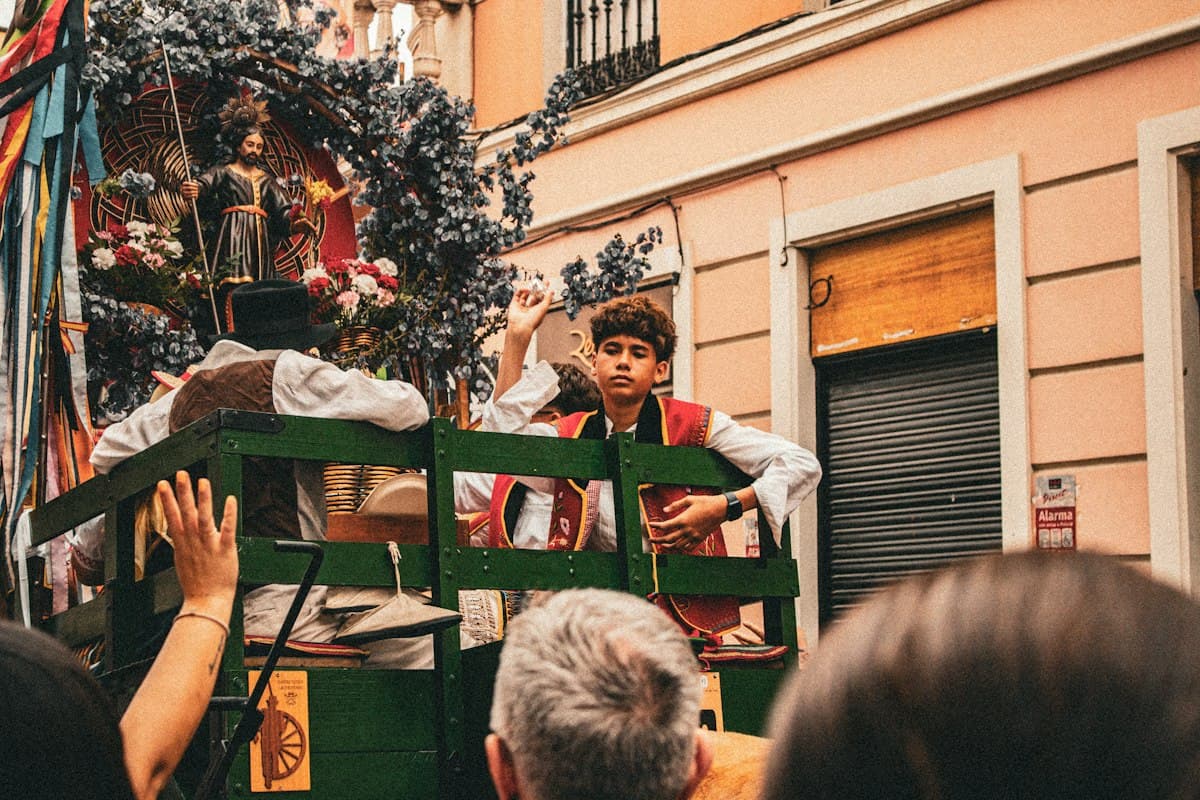
Live Broadcast of the Pilgrimage of the Christ of Light in Dalías
The pilgrimage to the Sanctuary of the Christ of Light in Dalías will be fully covered by Canal Sur TV on September 20th. The event includes the traditional descent of the image and the celebration of the High Mass.
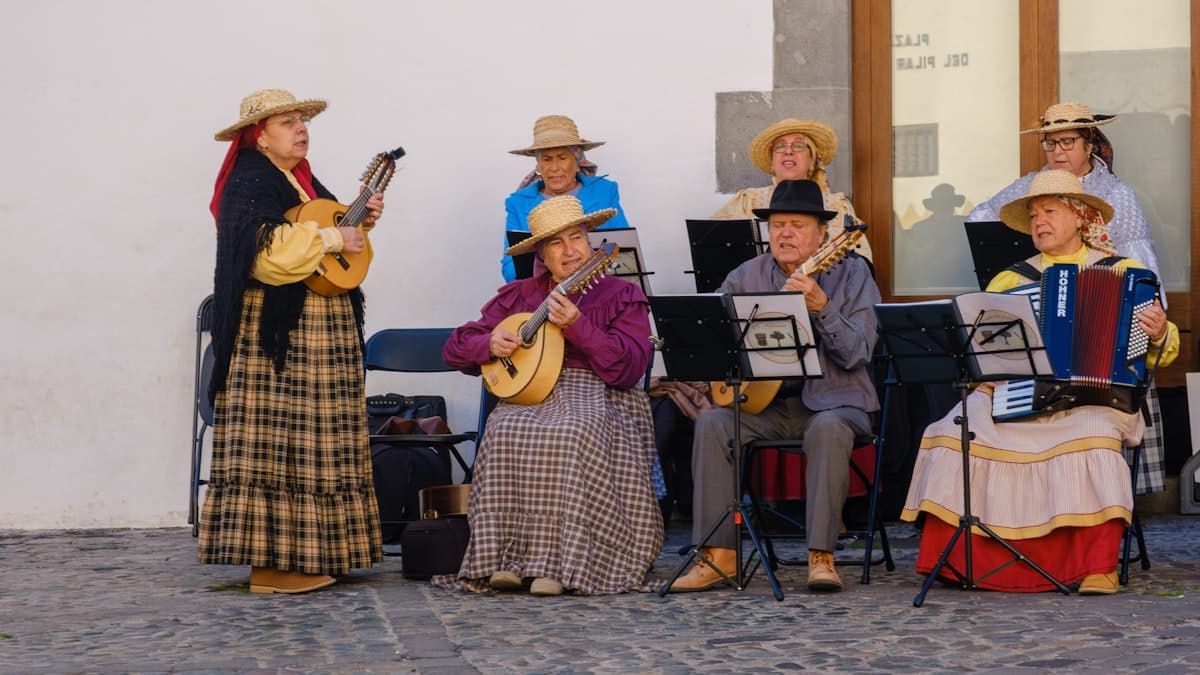
Almería Fair Program: Attractions and Activities on August 22
The Almería Fair offers a diverse program with sports, cuisine, and music. The event features activities spread across various points of the city on August 22.
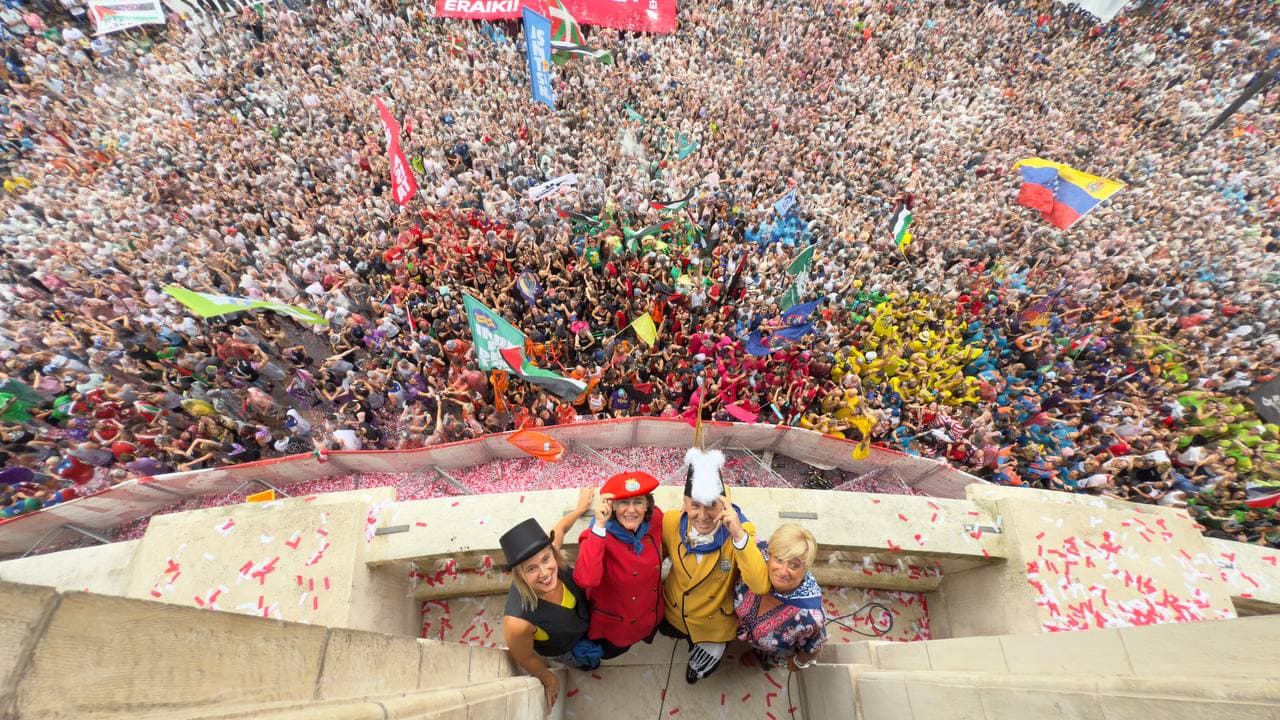
The Magic of Aste Nagusia Takes Over Bilbao's Streets in August 2026
Between August 22 and 30, 2026, Bilbao celebrates its most festive week with an intense cultural program that turns every corner of the city into an outdoor spectacle.