

Balearic Islands: A Practical Guide for Brazilians in Spain
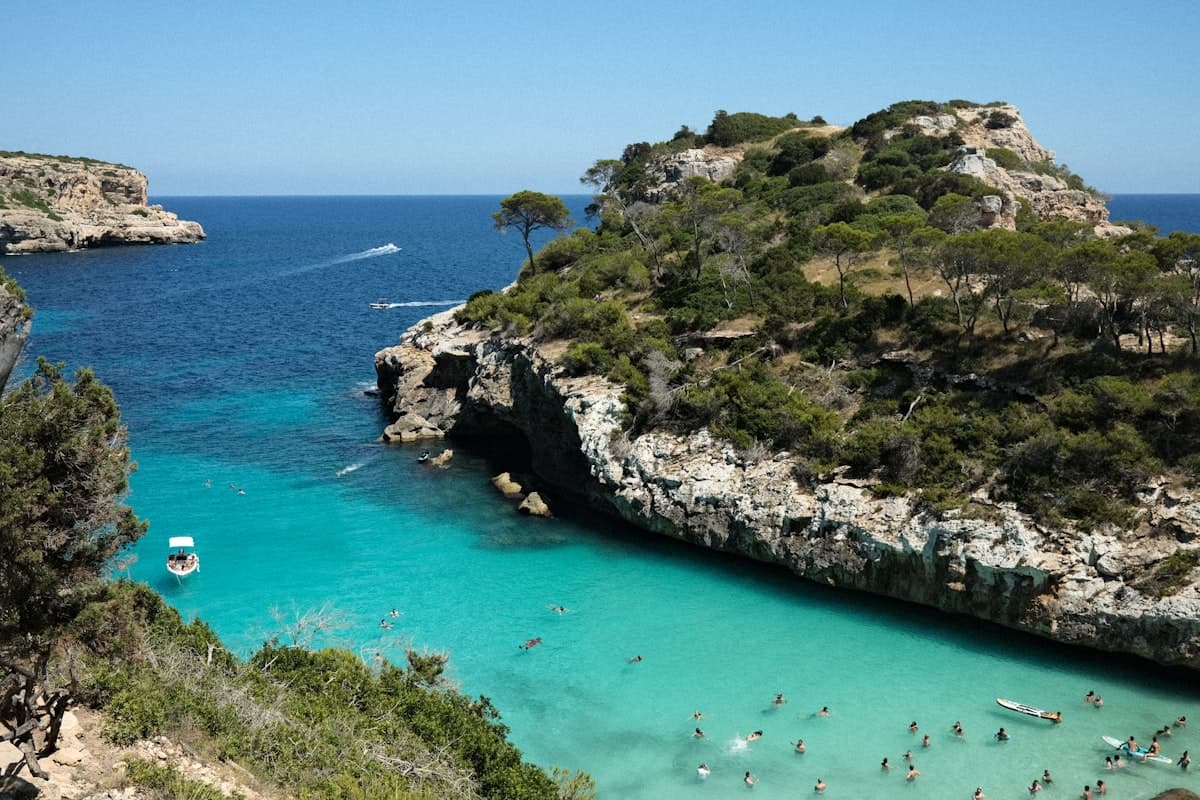
The Balearic Islands, officially known as Illes Balears in Catalan, form one of Spain's most distinctive autonomous communities. Located in the Mediterranean Sea, this archipelago is composed of two main groups of islands: the Gimnesias, which include Mallorca, Menorca, and Cabrera, and the Pitiusas, formed by Ibiza and Formentera. For Brazilians choosing to live here, the experience is marked by coexisting with a historical legacy that dates back to prehistory and a daily life intensely connected to the sea, elements that define the unique identity of this insular territory.
The importance of this community for Brazilian residents in Spain lies in its position as one of the country's most important tourist and economic poles. The historical transition from a traditional economy to one sustained by the service sector, which encompasses over 70% of population employment, creates a scenario where economic activity is constant throughout the year. Living here means being in an environment that, although touristic, maintains deep cultural traditions and its own administrative organization within Spain's autonomous communities structure.
General Data
| Data | Value |
|---|---|
| Capital | Palma |
| Provinces | Islas Baleares (single province) |
| Area | 4,992 km² |
| Population | Approximately 1.232 million inhabitants (data from 2023) |
| Official Language(s) | Catalan and Spanish |
| Approximate GDP per capita | €36,093 (2024 data) |

Balearic Islands in Detail
The archipelago's geographical structure is one of its most distinctive features. The Gimnesias and Pitiusas islands not only differ by their location but also have distinct historical backgrounds that are fundamental to understanding the local culture, differentiating Mallorca and Menorca from Ibiza and Formentera. This geographic segmentation directly influences the dynamics of the islands, ranging from denser urban centers to areas of environmental preservation where nature remains the central protagonist.
Economically, the region presents figures that demonstrate significant strength in the Spanish context. With a GDP of €44.693 billion, the community ranks 11th among Spain's autonomous communities' economies. The dependence on the service sector is evident, with 42.1% of regional GDP coming from activities such as commerce, transport, and hospitality. In 2024, this vocation was reaffirmed by receiving 18.7 million tourists, a significant volume that consolidates the dynamism of the Balearic labor market at historical levels despite the natural challenges of insularity.
The population density of the islands is also noteworthy, with approximately 252 inhabitants per km², significantly higher than Spain's national average. Managing these resources and balancing tourism flow with the lives of local residents are recurring themes in the administration of the Government of the Balearic Islands, the body responsible for coordinating public policies that ensure the sustainability of the archipelago. Additionally, the region has a GDP per capita that reached €36,093 in 2024, surpassing Spain's national average of €34,210, reflecting the level of local economic activity.
Brazilians in Balearic Islands
The Brazilian community in the Balearic Islands is predominantly composed of professionals working in the service and hospitality sectors, taking advantage of the seasonality and high tourist demand that characterize the regional economy. Many Brazilians find opportunities in cities like Palma, where the concentration of services is higher, facilitating integration into the job market and access to public services. It is recommended for newcomers to seek information from the Portal del Inmigrante for document regularization and guidance on labor rights.
For those planning to settle in the region, life in an insular community requires planning, especially regarding cost of living and logistics between islands. Connections between Mallorca, Menorca, Ibiza, and Formentera are primarily made through maritime and air transport, and following public mobility policies can be checked on the Consell de Mallorca website or respective municipal pages. It is a place that requires adaptation to the Mediterranean rhythm, where networks of contacts and understanding local culture are crucial differentials for immigration success.
Enjoyed it? Don't miss what's next.
Articles, guides and opportunities for Brazilians in Spain, straight to your inbox.
Our social media
Follow our posts wherever you prefer.
What did you think of this content?
Comments
Leave a comment
Your email won't be published. Comments go through moderation before appearing.
Review before sending — comments can't be edited after submission.
0/1000More in Regions
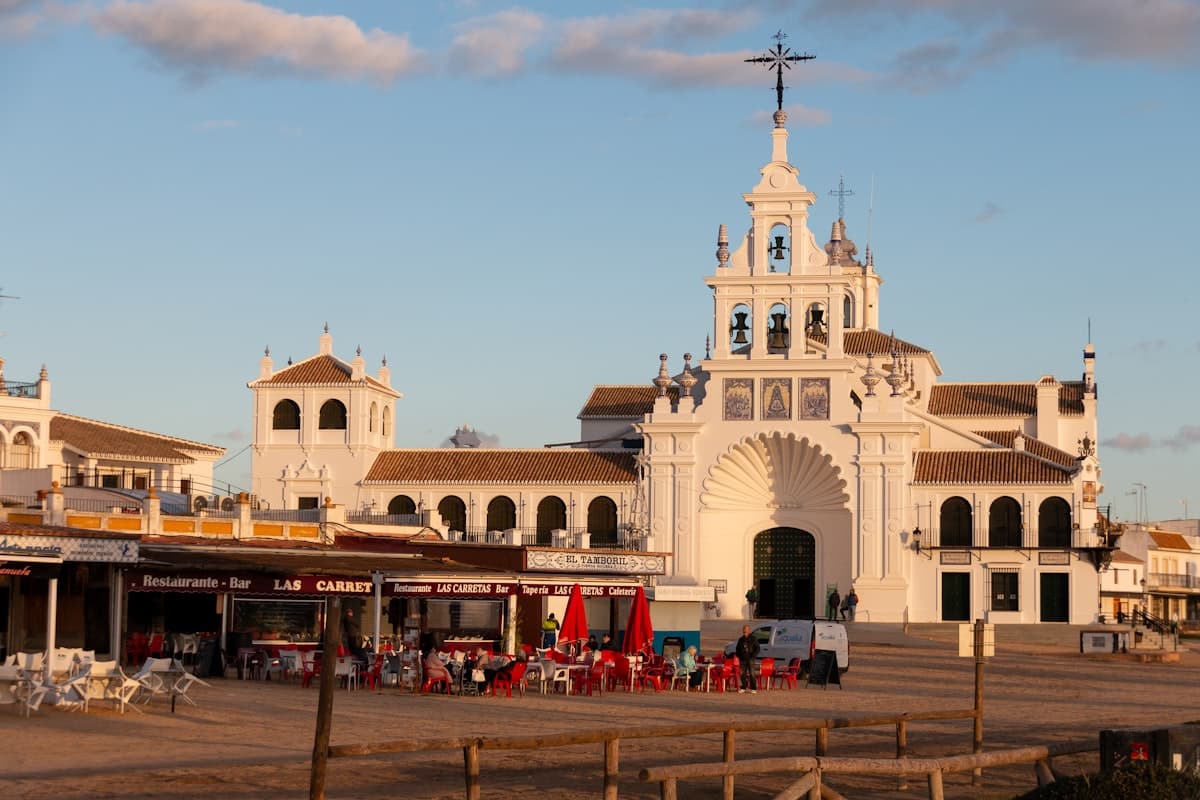
Huelva Province: A Guide for Brazilians in Spain
Discover the essential aspects of the province of Huelva, located in Andalusia, a destination with deep historical ties and natural beauty for Brazilians living in Spain.
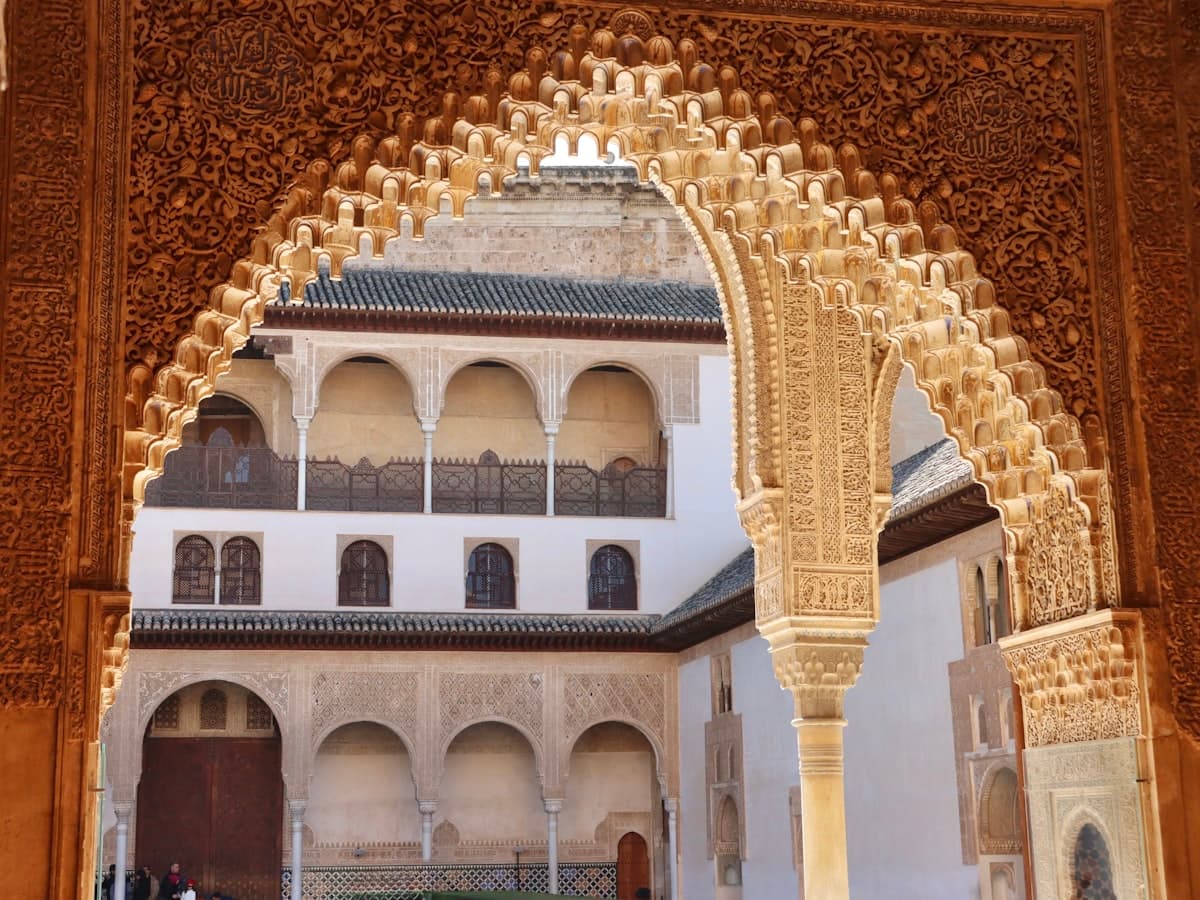
Province of Granada: A Practical Guide for Brazilians in Spain
Discover the history and practical details of the province of Granada, Andalusia, a culturally and geographically significant destination for Brazilian residents in Spain.
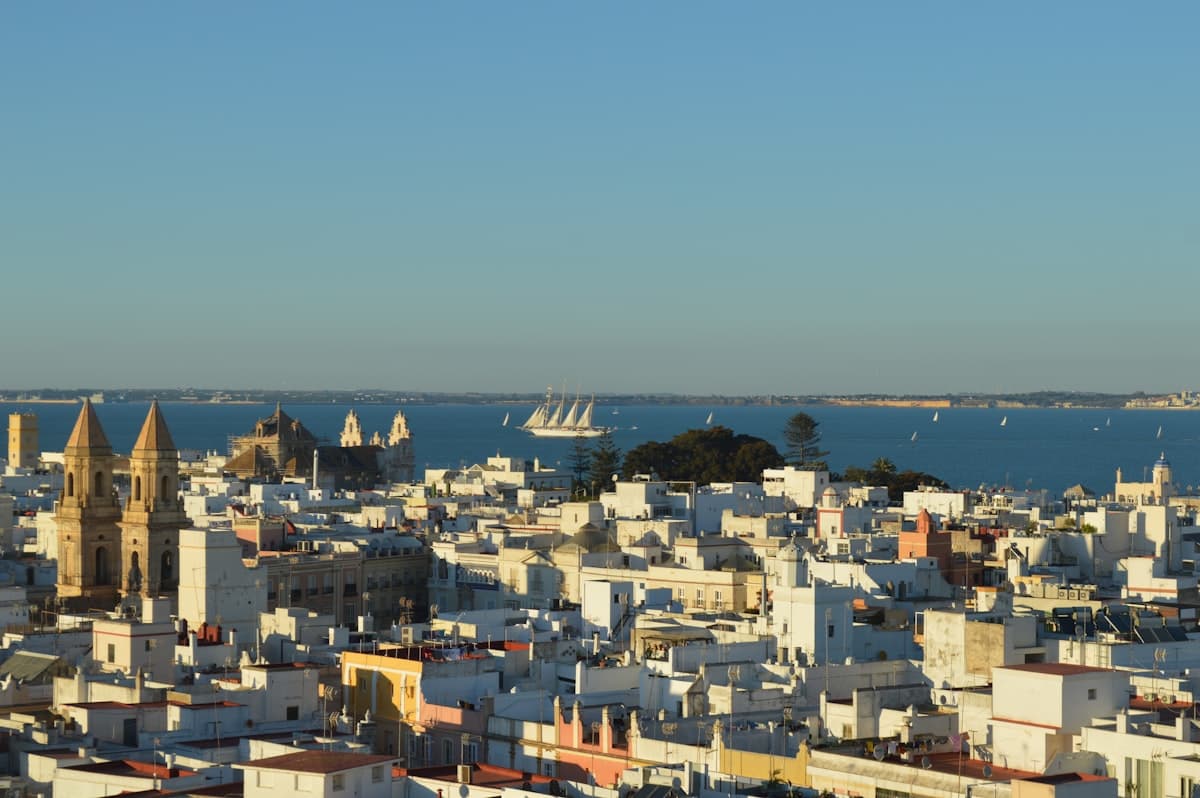
Province of Cádiz: A Guide for Brazilians in Spain
An essential guide to the province of Cádiz, exploring its historical significance, demographic data, and practical information for Brazilians living or visiting the region.
Guide for Brazilians in Spain: Discover the Autonomous Community of Andalusia
Explore the essential aspects of Andalusia, a region rich in history, cultural heritage, and Mediterranean climate, crucial for the Brazilian community in the country.