
Albarracín: Discover the History Behind Its Monuments
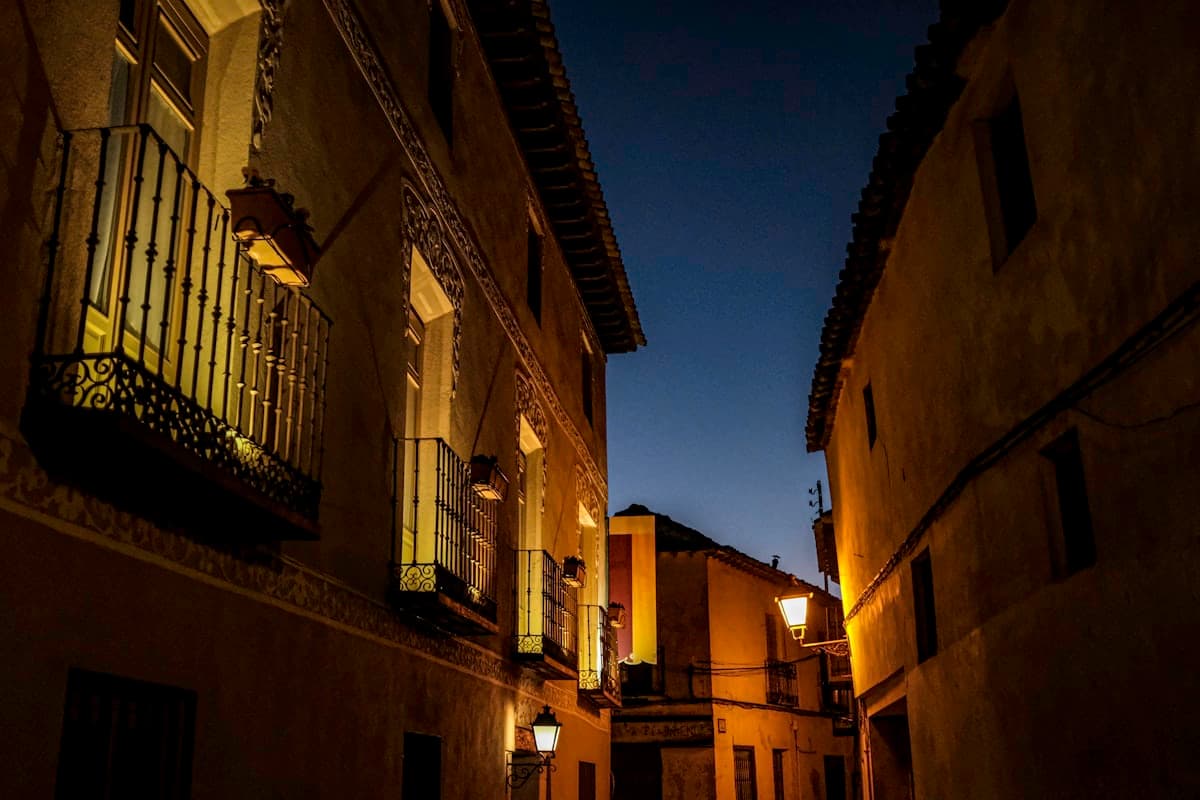
Explore the rich medieval heritage of Albarracín, a walled town in Aragon that preserves centuries of history in every street and fortification. Located in the province of Teruel, Albarracín is one of the most unique cities in Spain. Declared a National Monument in 1961 and classified as Bien de Interés Cultural (BIC), this locality offers a direct journey into the past with its urban layout that retains a strong Islamic and medieval flavor.
The Legacy of Fortifications
The fortified enclosure is Albarracín's calling card. Albarracín Wall has sections dating back to the 11th century, built to protect the mountain-embedded urban core. Alongside the walls stands the Castillo de El Andador, a structure that harks back to when the city was a strategic military stronghold.
The historical castle structure offers a privileged view of the town's defensive layout. It is an essential point for understanding the protection of the mountainous urban nucleus.
Religious and Civil Architecture
Walking through Albarracín’s narrow streets allows you to observe unique architecture, with houses that challenge both gravity and time. The Cathedral of El Salvador is a must-stop; built from the 13th century onwards, it serves as the religious heart of the city and exemplifies the transition between artistic styles.
Another historically significant building is the Episcopal Palace. Located near the cathedral, this structure represents the church's influence on the administration and organization of the village over centuries.
For those interested in understanding the evolution of daily life in the region, a visit to the Museum of Albarracín is essential. Located in the historic center, the museum houses valuable pieces from the Islamic period, such as ceramics and coins, up to modern-era objects including dioramas that explain ancient methods of subsistence and local craftsmanship.
Tips for Your Visit
The management and preservation of this historical ensemble are coordinated by entities such as the Fundación Santa María de Albarracín, which works on maintaining the fortified city. When planning your itinerary, consider that the terrain is steep and characterized by medieval "skyscrapers," requiring comfortable footwear.
For updated information about monument opening hours and possible access restrictions, always check the official website of the Ayuntamiento de Albarracín. The city also has a tourism infrastructure that promotes the Cultural Heritage of Aragon, where you can verify the conservation status of other points of interest, such as the Iglesia de Santiago or the Ermita de Santa Bárbara.
The Iglesia de Santiago is a religious construction of great historical value that forms part of the urban landscape of the village. Its visit allows appreciating traditional architecture and the cultural environment of the municipality.
The Ermita de Santa Bárbara is a space for devotion that stands out for its location and tranquility. It represents the presence of religious elements integrated into the natural and historical environment of the region.
The charm of the city lies in observing the construction materials and irregular street layout that remain preserved, fulfilling the role of an open-air museum. When visiting, respect conservation rules for historical areas, maintaining the integrity of this heritage which is constantly cared for to be preserved for future generations.
Sources
Enjoyed it? Don't miss what's next.
Articles, guides and opportunities for Brazilians in Spain, straight to your inbox.
Our social media
Follow our posts wherever you prefer.

What did you think of this content?
Comments
Leave a comment
Your email won't be published. Comments go through moderation before appearing.
Review before sending — comments can't be edited after submission.
0/1000More in Articles
II Concurso de Fotografia Brasil na Espanha está com inscrições abertas
Participe do II Concurso de Fotografia Brasil na Espanha. Envie suas fotos sobre a cultura brasileira e concorra nesta edição temática inspirada em Chico Buarque.
Art and Museums in Eivissa (City): A Practical Guide
Discover the essential museums in Eivissa and plan your visit with information about prices, hours, and locations within the historic center of the island.

Segovia Aqueduct: A Complete Guide to Roman Engineering
Discover the history and secrets of the Segovia Aqueduct, one of the best-preserved examples of Roman civil engineering in the world, and plan your visit to this historical landmark.
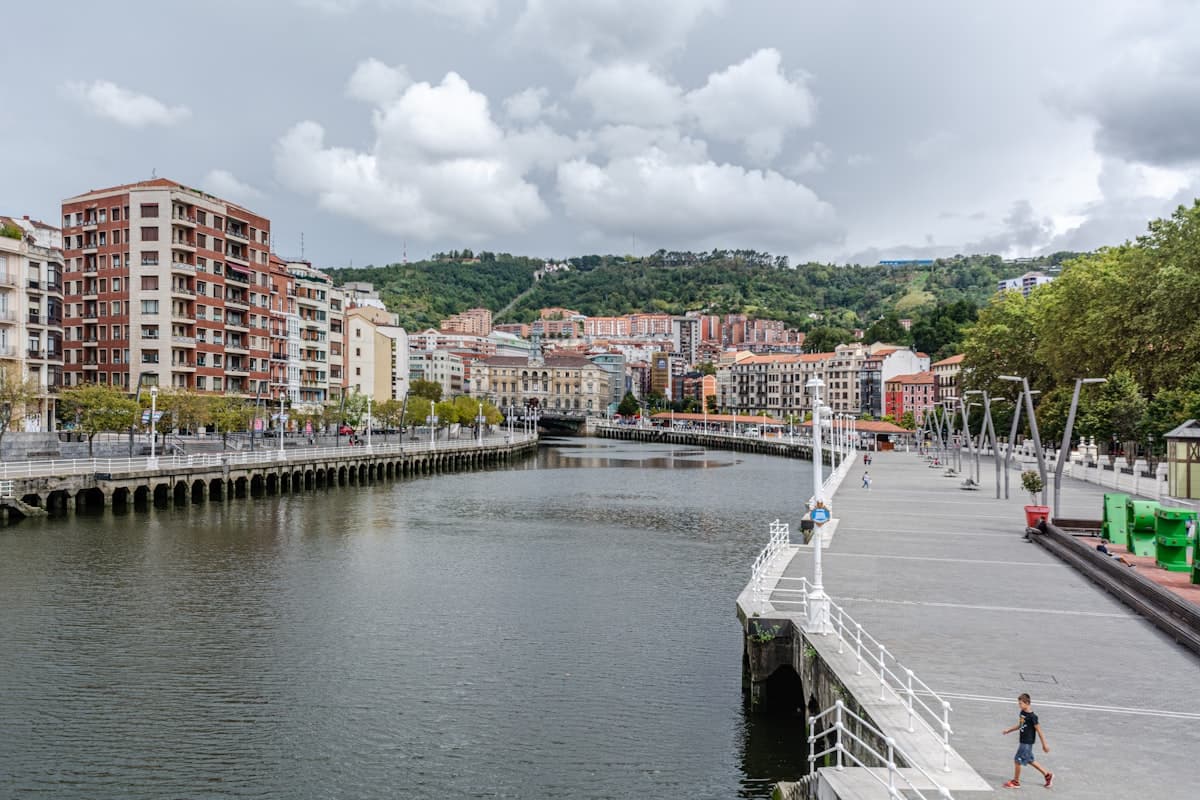
Monuments of Bilbao: The Living History in Every Stone of the City
Explore the monuments of Bilbao and understand how each structure narrates the industrial and cultural evolution of the Basque capital.