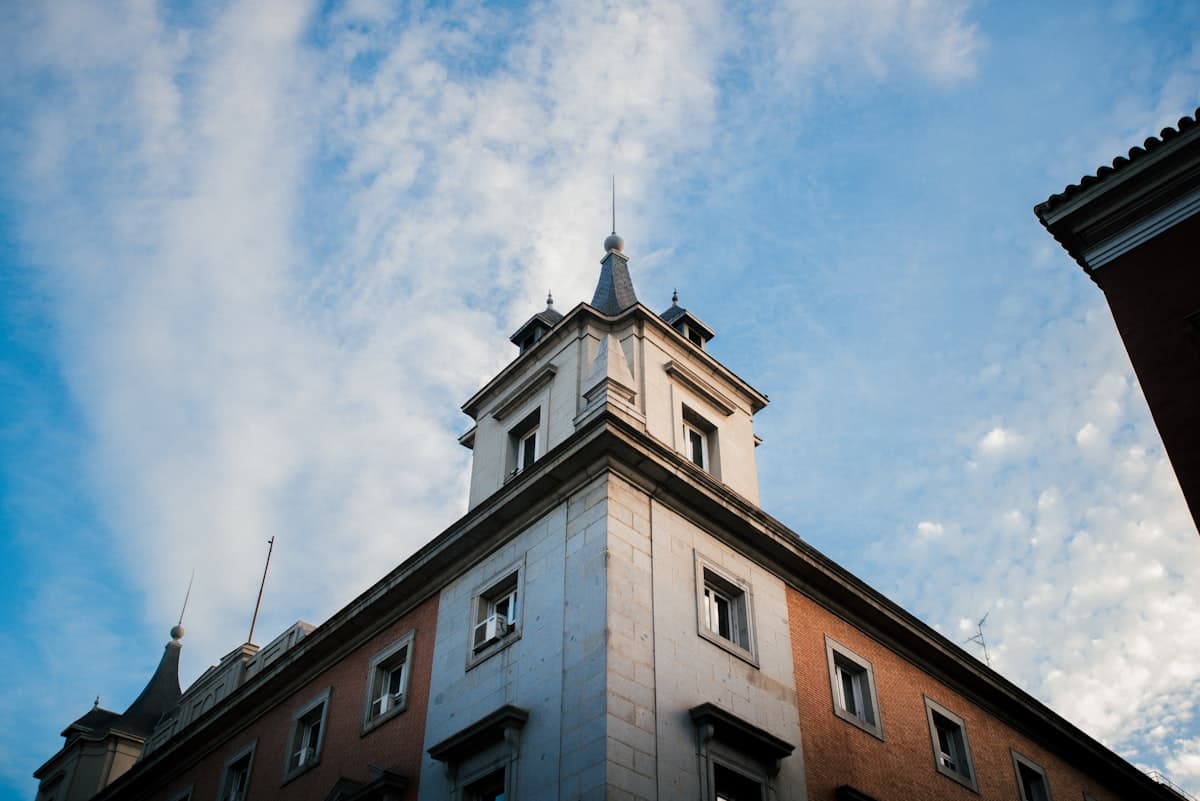

Madrid Architecture: A Tour from Medieval to Contemporary
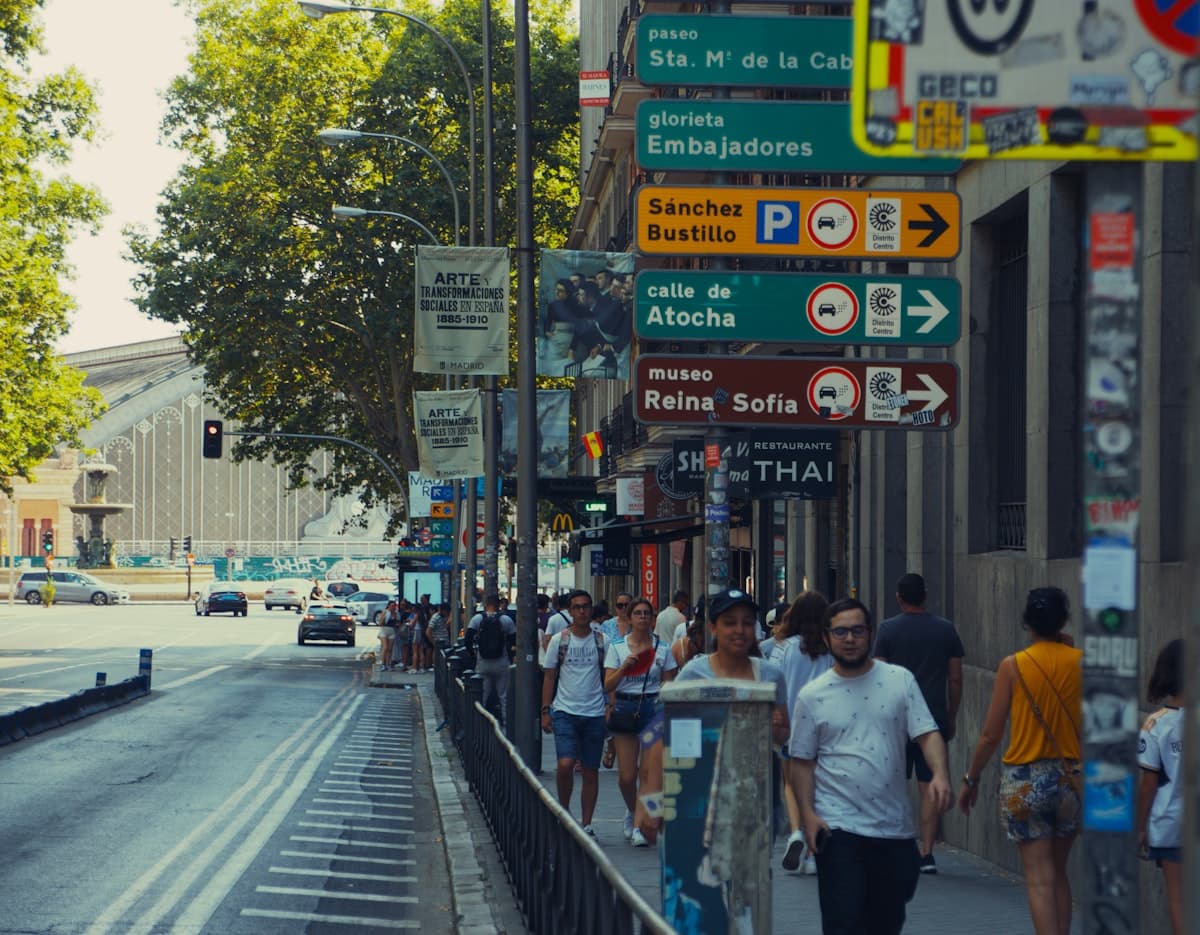
Madrid is an open-air museum. For those who have just arrived in Spain, understanding the city requires looking up to observe how different eras overlap on facades. From historic palaces to concrete structures that challenged traditional styles, the Spanish capital offers a lesson in architectural history in each neighborhood.
The legacy of modernism and transition into the 20th century
Modernism in Madrid, although less ostentatious than in Barcelona, left elegant marks on the urban fabric. A great starting point for observing this aesthetic is the building located at number 1 of Mejía Lequerica street, at the corner with Hortaleza street. Designed by Benito González del Valle in 1911, this building exemplifies how architecture from that era used narrow floor plans to create facades rich in detail.
Walking through these central areas, you will notice how many buildings have been renovated to become more efficient or receive new uses, maintaining their historical relevance while serving contemporary Madrid.
A breath of fresh air: modern and functional architecture
In the 1960s, Madrid's architecture underwent a radical transformation, breaking with the stagnant style of previous decades. Architect Miguel Fisac was one of the protagonists of this change, introducing expressive use of exposed concrete.
An unmissable example from this period is the building that now houses Crédito y Caución, originally IBM headquarters. Located on Paseo de la Castellana, the building stands out for its use of angular prefabricated elements that create an extremely functional curtain wall. It's a must-see stop for those who want to understand Madrid’s transition into a modern metropolis.
Monumentality and contemporaneity at the Fundación Juan March
To conclude this tour, head up to the Fundación Juan March located on Calle Castelló 77. The work, signed by José Luis Picardo, is a fundamental landmark in the urban landscape. Besides being an aesthetic gem, the building is studied for its exceptional typological and functional characteristics.
Its iconic importance in the city's historical memory makes this point one of the best examples of how contemporary Madrid does not ignore its past but engages with it in a structured manner.
Tips for your architectural walk
Madrid is a city to be explored on foot, but the heritage is vast. My recommendation for those starting to explore the city:
- Planning: Many of the architectural jewels, such as palaces and ancient monuments, now function as cultural institutions. Always check the official website of Ayuntamiento de Madrid to verify visiting hours and temporary exhibitions.
- Comfort: If you decide to make a longer journey between the historic center (medieval) and Castellana axis (modern), prepare yourself. Madrid has varied terrain, and appropriate footwear makes all the difference in reaching distant points.
- Perspective: Don't limit yourself to the addresses mentioned. As you walk between these points, observe the facades of neighboring buildings. The value of Madrid lies precisely in the contrast between the opulence of palaces listed as Cultural Heritage and the boldness of modernist projects.
Sources
Enjoyed it? Don't miss what's next.
Articles, guides and opportunities for Brazilians in Spain, straight to your inbox.
Our social media
Follow our posts wherever you prefer.

What did you think of this content?
Comments
Leave a comment
Your email won't be published. Comments go through moderation before appearing.
Review before sending — comments can't be edited after submission.
0/1000More in Articles
II Concurso de Fotografia Brasil na Espanha está com inscrições abertas
Participe do II Concurso de Fotografia Brasil na Espanha. Envie suas fotos sobre a cultura brasileira e concorra nesta edição temática inspirada em Chico Buarque.
Art and Museums in Eivissa (City): A Practical Guide
Discover the essential museums in Eivissa and plan your visit with information about prices, hours, and locations within the historic center of the island.

Segovia Aqueduct: A Complete Guide to Roman Engineering
Discover the history and secrets of the Segovia Aqueduct, one of the best-preserved examples of Roman civil engineering in the world, and plan your visit to this historical landmark.
Monuments of Bilbao: The Living History in Every Stone of the City
Explore the monuments of Bilbao and understand how each structure narrates the industrial and cultural evolution of the Basque capital.