

Historic Neighborhoods of the Canary Islands: Colonial and Indigenous Heritage of the Islands
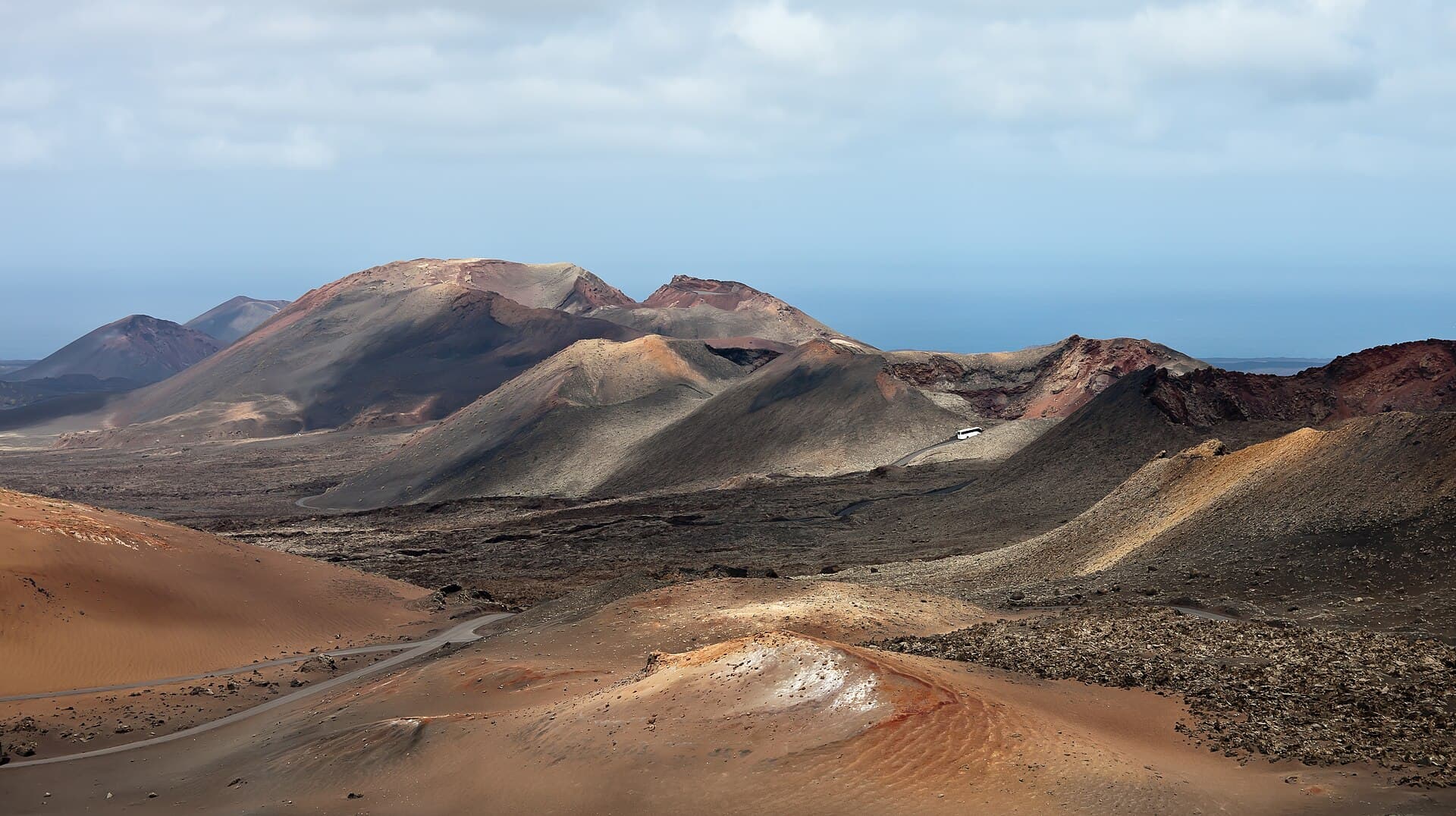
Historic Neighborhoods of the Canary Islands: Colonial and Indigenous Heritage of the Islands
Discover the origins of iconic neighborhoods in the Canary Islands, where centuries of history, from Guanche culture to colonial-era architecture, remain preserved.
The Cradle of Colonization in Las Palmas de Gran Canaria
The neighborhood of Vegueta, located in Las Palmas de Gran Canaria, is the ideal starting point for those seeking to understand the urban genesis of the archipelago. Founded in the late 15th century, it was here that the city's first structures were erected after the Castilian conquest. The area is marked by the legacy of historical figures such as Cristóbal Colón, who passed through the region during his expeditions to the New World, consolidating the neighborhood as the political and religious center of the time.
The Plaza de Santa Ana acts as the geographical and historical heart of Vegueta. It is in this square that the Catedral de Las Palmas and the Casas Consistoriais are found, buildings that reflect the transition from medieval to Renaissance and Baroque architecture, symbolizing the power of the colonial administration established on the island.
The Legacy of Ancestral Cultures in Gáldar
As we move away from the capital towards the northwest, we find Gáldar, a municipality whose roots date back to a time long before the presence of Europeans. The historic center of the town functions as an open-air museum, allowing us to understand the way of life of the indigenous people, known as Guanches, and the social transformations caused by the cultural shock of the Conquest.
One of the most significant archaeological sites in the region is the Cueva Pintada. This site is one of the most important in the islands, where it is possible to observe walls decorated with geometric patterns that reveal the cultural complexity of the ancient inhabitants. The preservation of this site allows a direct look at pre-Hispanic history that shaped the identity of part of the archipelago.
Defense Against Invasions in the La Isleta Area
Not every historic neighborhood in the Canary Islands is based solely on classic colonial style; some were shaped by strategic defense needs. This is the case of La Isleta, an area that served as a landing point for fleets coming from the peninsula since the 15th century. Due to its proximity to the sea and the port, the region was fortified to protect the archipelago from constant pirate and foreign incursions, notably from the English and the Dutch.
The Castillo de la Luz, dated 1494, is the prime example of this defensive need. Built by instructions from Governor Alonso Fajardo, the building is today a Cultural Interest Asset that witnesses decades of maritime conflict in the Atlantic. Its structure, which maintained military functions until the 19th century, is a fundamental piece for understanding the importance of the islands' geography in the Atlantic navigation routes.
Rural Preservation on the Peaks of Tejeda
High on the peaks of Gran Canaria, the municipality of Tejeda offers a different perspective: that of maintaining rural traditions isolated from coastal urban centers. Due to its remote location, this historic neighborhood preserved an authentic rural character that changed little over the centuries. The local architecture, adapted to the high-altitude climate and steep terrain, reflects a form of survival and social organization that distanced itself from the direct influence of coastal capitals, keeping alive the memory of a traditional peasant life.
Each of these localities offers a different layer of the islands' memory, from the splendor of churches in urban centers like Vegueta to the austerity of defensive constructions in La Isleta and the simplicity of mountain settlements. Exploring these historic spaces is, essentially, traversing the different stages that consolidated the archipelago as a meeting point between ancestral past and contemporary Spanish reality.
Sources
- Official Tourism Website of Gran Canaria
- Hola Islas Canarias
- Canarias Noticias 24h
- Cover photo: Luis Miguel Bugallo Sánchez (Lmbuga) / Wikimedia Commons, license CC BY-SA 3.0
Enjoyed it? Don't miss what's next.
Articles, guides and opportunities for Brazilians in Spain, straight to your inbox.
Our social media
Follow our posts wherever you prefer.

What did you think of this content?
Comments
Leave a comment
Your email won't be published. Comments go through moderation before appearing.
Review before sending — comments can't be edited after submission.
0/1000More in Articles
Gastronomia de Salamanca: a origem dos pratos típicos da cidade
Descubra a história por trás do hornazo, das patatas meneás e de outros sabores tradicionais que definem a identidade culinária de Salamanca.

Vigo’s monuments: the history carved into the city’s stone and iron
Explore Vigo's historical landmarks, from ancient archaeological remains to modern sculptures that narrate the transformation of Galicia's largest city.
Oviedo: origins, the Santiago route, and the city of statues
Discover how a small 8th-century settlement became the Asturian capital and why walking through Oviedo is an immersion in legends and medieval history.
Deià: a dive into history through the stones of the Serra de Tramuntana
Explore the historical heritage of Deià, one of Mallorca's most iconic villages, and discover how its stone architecture preserves centuries of rural tradition.