

Trujillo Architecture: A Walk Through Medieval to Contemporary Styles
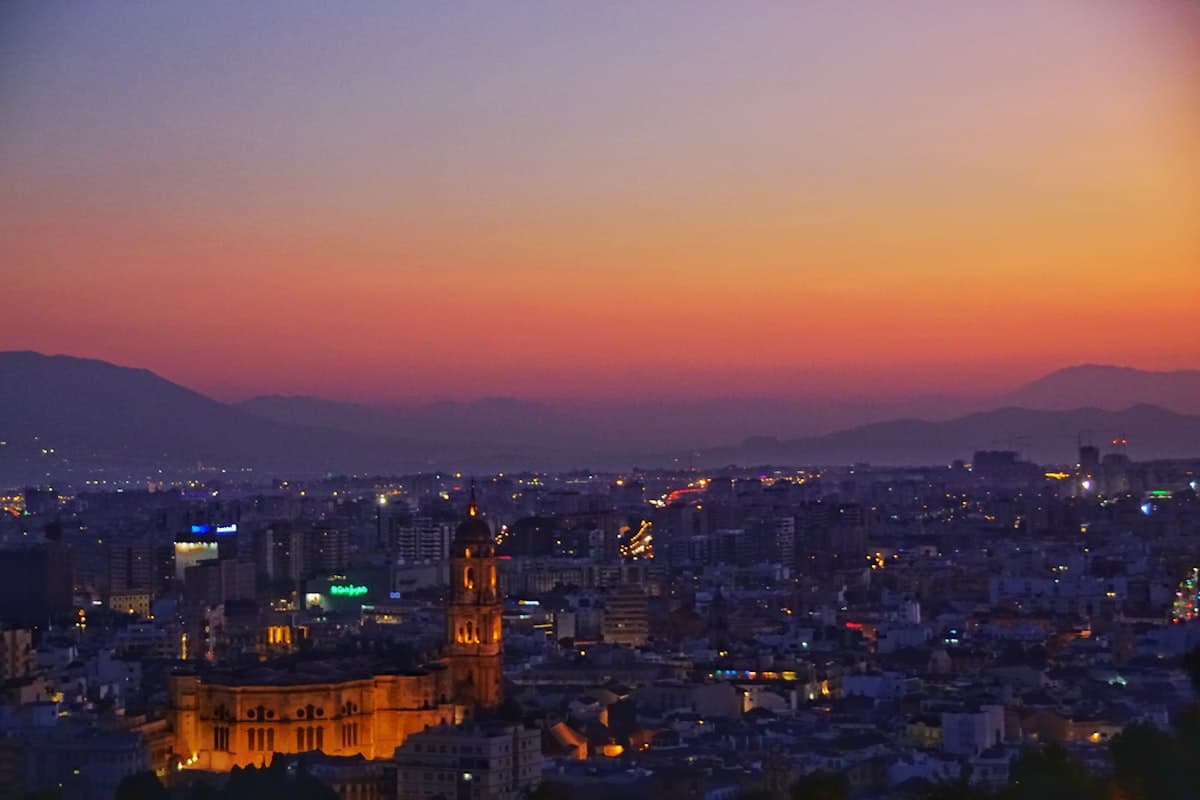
Explore the rich architectural heritage of Trujillo, in the province of Cáceres, on a walk that reveals centuries of history between medieval palaces and modern touches. For those living in Spain seeking to better understand the Extremadura region, walking through its streets is like observing the transition from the rigidity of medieval structures to contemporary adaptations the city has embraced over time.
The Medieval Heart at Plaza Mayor
The Plaza Mayor de Trujillo is a mandatory starting point for any tour. Unlike other Spanish squares, it stands out for its irregularity and the ensemble of palaces and noble houses that surround it, mainly dating from the 15th and 16th centuries. The medieval atmosphere is preserved in every stone facade, which has witnessed crucial moments in Spain's history.
The Defensive Legacy of Castillo de Trujillo
Overlooking the highest part of the city, the Castillo de Trujillo represents medieval military architecture in its purest form. Built on an Arab alcazaba, this monument preserves towers and walls that served as protection for centuries. The view from its ramparts offers a privileged perspective of how the urban fabric expanded around the original fortification.

Transition to Renaissance Style at Palacio de los Duques de San Carlos
Heading down towards the city center, one encounters the Palacio de los Duques de San Carlos. This building is a notable example of how architecture in Trujillo evolved from austere defensive structures to refined Renaissance styles. The corner balcony is a technical detail that demonstrates the architects' skill at integrating aesthetics and functionality, transforming fortresses into aristocratic residences.
Contemporary Adaptation and Visitor Services
Trujillo is not just an open-air museum; it's a living city that has adapted historical buildings for contemporary use. When planning your visit, check the schedules and access to monuments through the Ayuntamiento de Trujillo portal. The city center maintains a network of services combining modern establishments in centuries-old structures, ensuring that walking through the historic center is comfortable and functional.
Practical Information
For those who wish to take their time on this journey, reserve at least one full day. The paving is irregular throughout most of the historic center, so it's recommended to wear comfortable shoes. During summer months, especially in July and August, temperatures in Extremadura can be high; prefer walking early in the morning or late afternoon. To consult cultural events or seasonal exhibitions, follow the official calendar provided by Turismo de Trujillo.
Sources
Enjoyed it? Don't miss what's next.
Articles, guides and opportunities for Brazilians in Spain, straight to your inbox.
Our social media
Follow our posts wherever you prefer.
What did you think of this content?
Comments
Leave a comment
Your email won't be published. Comments go through moderation before appearing.
Review before sending — comments can't be edited after submission.
0/1000More in Articles
II Concurso de Fotografia Brasil na Espanha está com inscrições abertas
Participe do II Concurso de Fotografia Brasil na Espanha. Envie suas fotos sobre a cultura brasileira e concorra nesta edição temática inspirada em Chico Buarque.
Art and Museums in Eivissa (City): A Practical Guide
Discover the essential museums in Eivissa and plan your visit with information about prices, hours, and locations within the historic center of the island.

Segovia Aqueduct: A Complete Guide to Roman Engineering
Discover the history and secrets of the Segovia Aqueduct, one of the best-preserved examples of Roman civil engineering in the world, and plan your visit to this historical landmark.
Monuments of Bilbao: The Living History in Every Stone of the City
Explore the monuments of Bilbao and understand how each structure narrates the industrial and cultural evolution of the Basque capital.