

Historical Neighborhoods of Alicante: A Journey Through the City's Origins
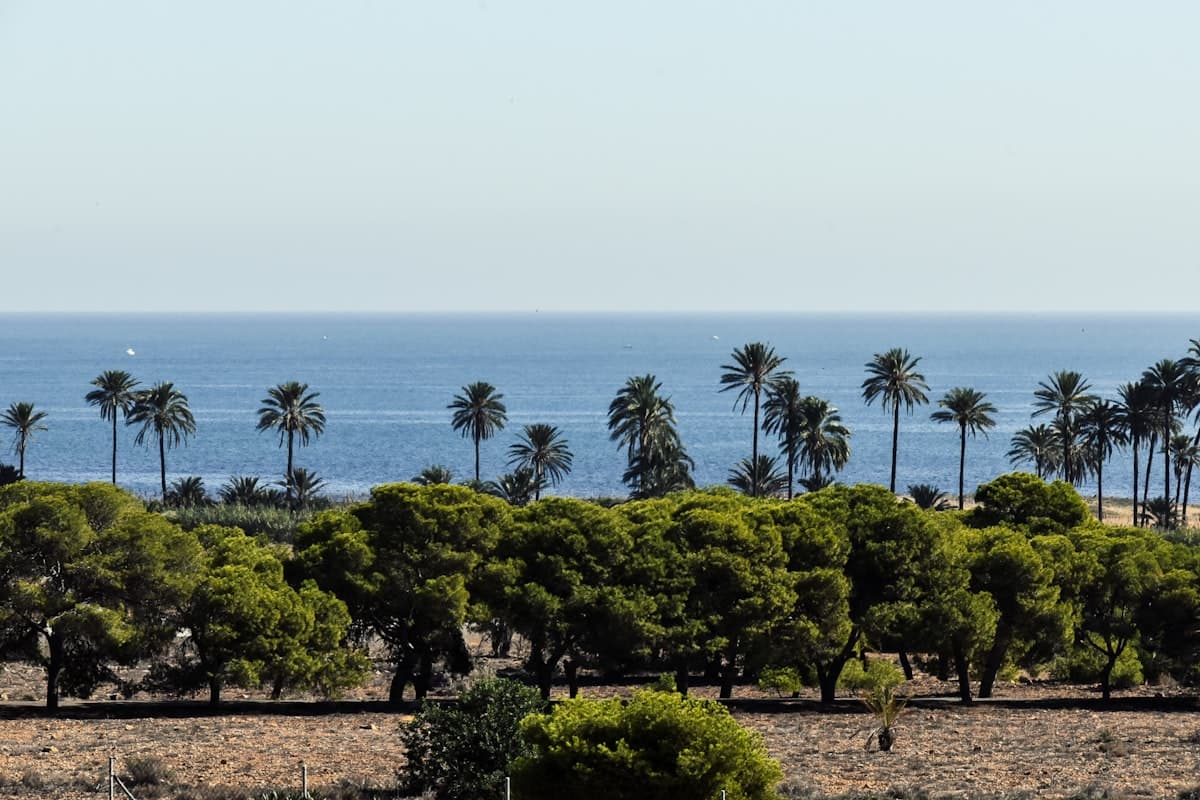
To understand Alicante requires looking beyond its beaches. The city is a palimpsest where different civilizations have left deep marks, from the Romans to the Arab and Christian influences. Knowing the origins of its neighborhoods is essential for those who wish to understand how local identity was consolidated over the centuries.
O Casco Antiguo: The Heart of History
The Casco Antiguo of Alicante represents the historical heart and cradle of modern-day city life. Its characteristic cobblestone streets are a direct reminder of traditional architecture and craftsmanship that survived urban modernization. This neighborhood, which holds secrets from centuries of occupation, was the epicenter of cultural changes that defined the region. It is here where one perceives the transition between various eras that shaped today's Alicante.
The Arab Heritage and Christian Legacy
The urban structure of Alicante maintains a clear division that narrates its own political and social history. The historic center is the stage where the old Arab quarter coexists with the sector occupied by Christians. The transition between these zones is visible in spatial organization, where civil buildings such as the Ayuntamiento de Alicante stand out. This 18th-century Baroque construction was built on the site of the former City Hall, functioning as a turning point in post-Christian conquest city architecture.
The Barrio de Santa Cruz and Life on the Slopes
The Barrio de Santa Cruz is one of the most singular and photogenic parts of the city. Characterized by its white houses, this neighborhood offers a sense of suspended time, preserving traditional Alicantinian lifestyle. It integrates into a historical walk that also includes the neighboring Barrio de San Roque, forming an ensemble of about 1.5 kilometers in length that reveals the most authentic and ancient face of the city, nestled at the base of the fortress dominating the urban view.
Located near the Casco Antiguo and Santa Cruz, the Barrio de San Roque completes this historical journey. Its importance lies in maintaining the urban structures that preceded the city's expansion to coastal and port areas. The neighborhood is a direct witness of popular architecture from the time when Alicante was still limited to its fortified nucleus, functioning as an organic extension of Santa Bárbara Hill.
For those wishing to delve into current urban administration and planning in these areas, the Ayuntamiento de Alicante maintains records on the preservation of these historical districts. Understanding the evolution of these neighborhoods not only enriches the experience of living in Spain but allows one to see the city as a living organism undergoing constant transformation since its founding.
Sources
Enjoyed it? Don't miss what's next.
Articles, guides and opportunities for Brazilians in Spain, straight to your inbox.
Our social media
Follow our posts wherever you prefer.

What did you think of this content?
Comments
Leave a comment
Your email won't be published. Comments go through moderation before appearing.
Review before sending — comments can't be edited after submission.
0/1000More in Articles
II Concurso de Fotografia Brasil na Espanha está com inscrições abertas
Participe do II Concurso de Fotografia Brasil na Espanha. Envie suas fotos sobre a cultura brasileira e concorra nesta edição temática inspirada em Chico Buarque.
Art and Museums in Eivissa (City): A Practical Guide
Discover the essential museums in Eivissa and plan your visit with information about prices, hours, and locations within the historic center of the island.

Segovia Aqueduct: A Complete Guide to Roman Engineering
Discover the history and secrets of the Segovia Aqueduct, one of the best-preserved examples of Roman civil engineering in the world, and plan your visit to this historical landmark.
Monuments of Bilbao: The Living History in Every Stone of the City
Explore the monuments of Bilbao and understand how each structure narrates the industrial and cultural evolution of the Basque capital.