

Historical Neighborhoods of Murcia: A Guide to Living the Tradition
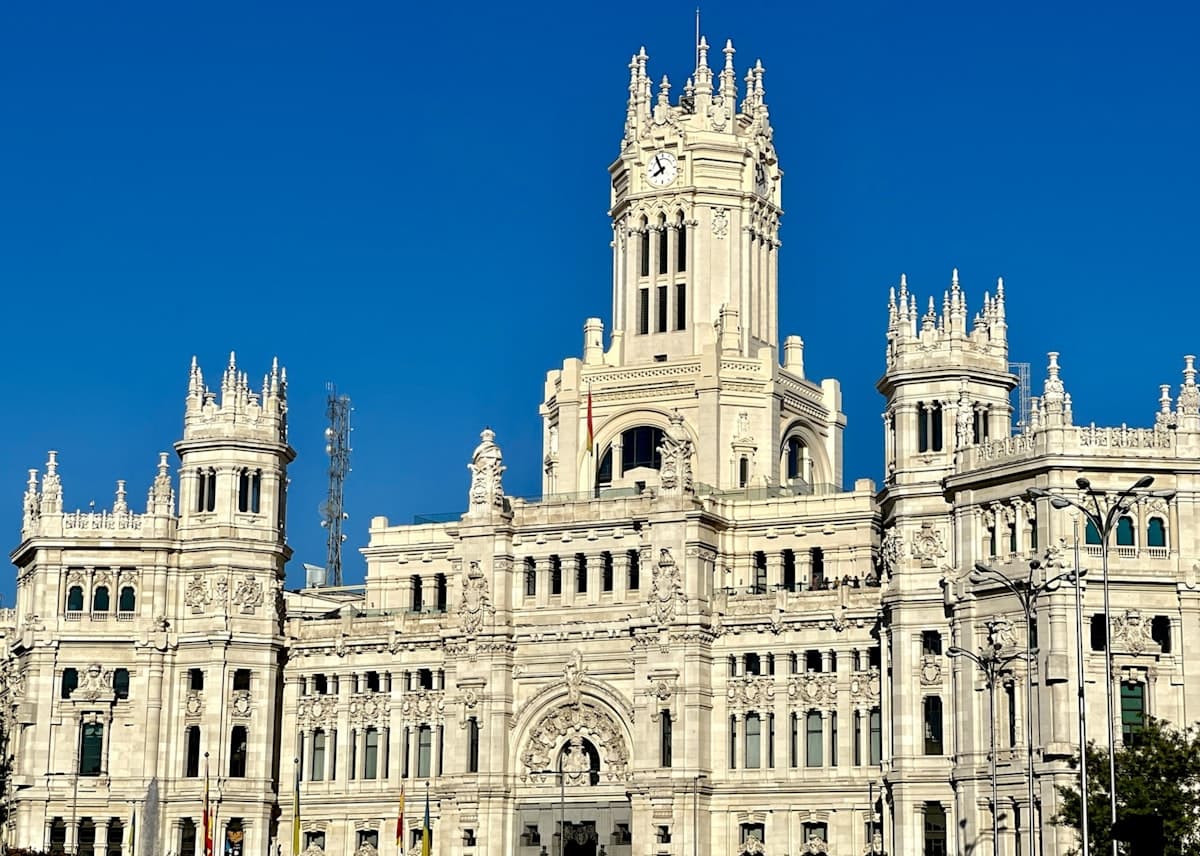
Murcia is a city that surprises those who just arrive. Far from being merely a transit destination, its historic center constantly invites visitors to understand the Andalusian heritage and the lively daily reinvention amidst Baroque monuments and medieval streets.
The Beating Heart: Old Town and Cathedral
The epicenter of Murcian history is the Casco Antigo, declared an Artistic-Historical Ensemble. The obvious but essential starting point is the Santa Iglesia Catedral de Santa María, located in Plaza del Cardenal Belluga. Besides being the seat of the Diocese of Cartagena, the area around the cathedral is where medieval past meets modern commerce. It's a dense zone filled with shops, bars, and unique places, ideal for aimlessly wandering without haste.
Santa Eulalia and San Juan: Where Locals Meet
If you're looking for the most authentic and less "touristy" side of the center, head to the neighborhoods of Santa Eulalia and San Juan. They are particularly lively with a vibrant atmosphere. This is where you'll find the best bars and restaurants frequented by residents. As you walk around, notice the Baroque churches blending into civilian facades; the street layout still allows one to imagine exactly how Andalusian Murcians moved through these areas centuries ago.

Gastronomy and the Iconic Plaza de las Flores
For those who have just moved to Spain, understanding the ritual of tapas is fundamental. The Plaza de las Flores is the iconic place for this initiation. It's a mandatory meeting point famous for its bustling terraces. The gastronomic offer around the square focuses on traditional dishes, making it the perfect setting to observe the city's rhythm while tasting local specialties.
Santa Catalina: History and Local Commerce
Another area worth your attention is the neighborhood of Santa Catalina. Its name directly inherits from the church of the same name, which acts as the central axis of life in the neighborhood. Historically, Santa Catalina perfectly balances its residential character with a strong presence of local businesses. It's an excellent example of how ancient Murcia survives by maintaining practical utility for today's residents.
Practical Tips for Exploration
When exploring these areas, remember that the street layout is medieval in many parts — narrow and winding. The ideal way to navigate the historic center is by foot. If you need information about cultural events, exhibition schedules, or specific municipal services, consult the Ayuntamiento de Murcia portal. The website is a valuable tool for those intending to integrate into local life, offering details on district and pedania management in the region. Take time to visit the art galleries and artisan shops hidden away in the old town's alleys; it’s in these small details that the city's history truly reveals itself.
Sources
Enjoyed it? Don't miss what's next.
Articles, guides and opportunities for Brazilians in Spain, straight to your inbox.
Our social media
Follow our posts wherever you prefer.
1 reactions
Comments
Leave a comment
Your email won't be published. Comments go through moderation before appearing.
Review before sending — comments can't be edited after submission.
0/1000More in Articles
II Concurso de Fotografia Brasil na Espanha está com inscrições abertas
Participe do II Concurso de Fotografia Brasil na Espanha. Envie suas fotos sobre a cultura brasileira e concorra nesta edição temática inspirada em Chico Buarque.
Art and Museums in Eivissa (City): A Practical Guide
Discover the essential museums in Eivissa and plan your visit with information about prices, hours, and locations within the historic center of the island.

Segovia Aqueduct: A Complete Guide to Roman Engineering
Discover the history and secrets of the Segovia Aqueduct, one of the best-preserved examples of Roman civil engineering in the world, and plan your visit to this historical landmark.
Monuments of Bilbao: The Living History in Every Stone of the City
Explore the monuments of Bilbao and understand how each structure narrates the industrial and cultural evolution of the Basque capital.