

Santiago de Compostela Cathedral: A Complete Guide for Pilgrims
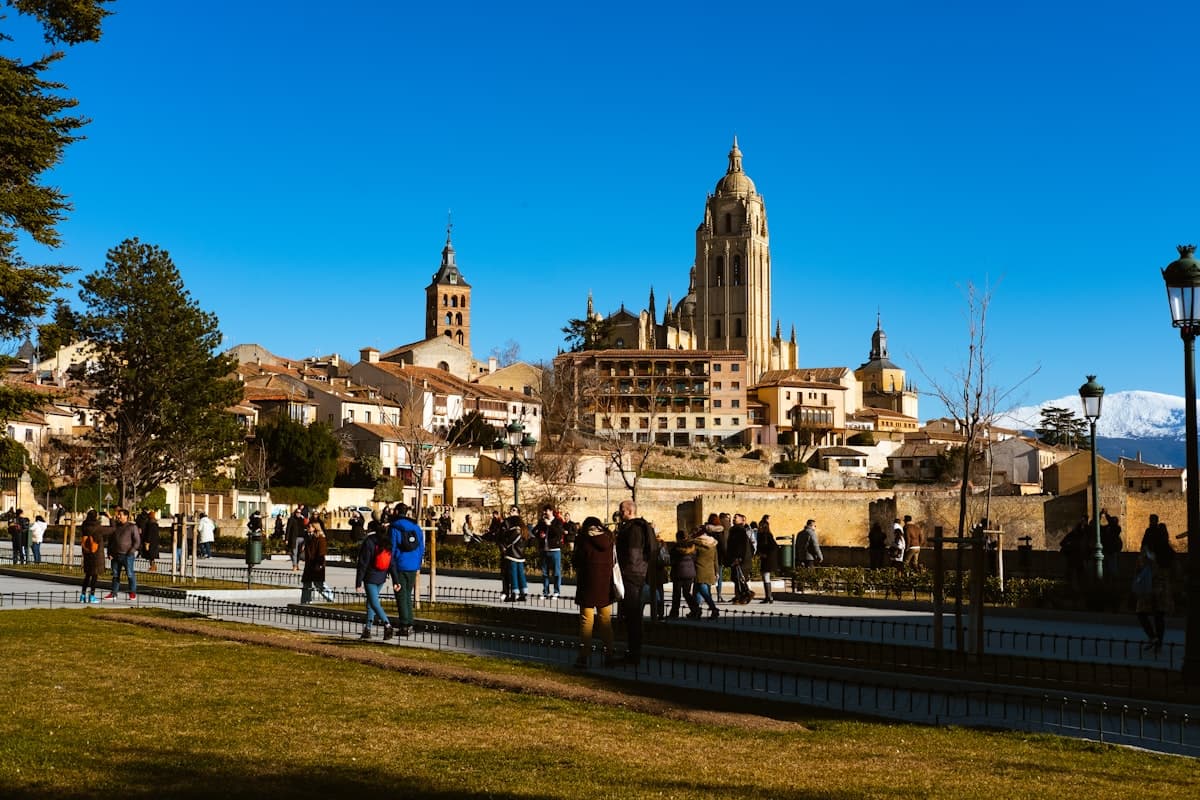
The Santiago de Compostela Cathedral is the spiritual heart of Galicia and the endpoint for thousands of pilgrims who walk the Way of St. James annually. Located in Praza do Obradoiro, Santiago de Compostela, it is not only an architectural monument but also the final marker of a transformative journey.
Location and Access
The basilica is situated in the city's historic center, a convergence point that breathes history. For those planning to visit, it’s important to know that entry into the Cathedral differs from access to its museums and collections.
Praza do Obradoiro, s/n, Santiago de Compostela.
It is recommended to always check the official schedule before traveling, especially for religious celebration times such as the famous Pilgrim Mass. For updated details about visits, museum tickets, and guides, consult the Santiago Cathedral portal.
The History of the Botafumeiro: Beyond Liturgy
One of the most iconic elements of the Cathedral is the Botafumeiro, one of the world's largest censers. Although it is now seen as a monumental attraction and liturgical symbol, its origin in the 13th century had a much more practical motivation.

Records indicate the existence of a large censer in the Cathedral since at least 1322, as mentioned in the Codex Calixtinus. At that time, incense served to purify the air and, most importantly, mask the strong odors left by pilgrims who arrived at the temple after long days of walking, often without adequate hygiene conditions and sometimes even sleeping inside the Cathedral itself. Today, seeing the Botafumeiro soar over the transept is a spectacle of movement, light, and aromas that marks the arrival of many travelers.
Curiosities You Need to Know
What makes Santiago's Cathedral unforgettable are not just its ancient stones but also details often overlooked by most tourists:
- Original Function: The Botafumeiro was not created as a decorative item but as an essential air purifier due to the overcrowding and lack of sanitation among medieval pilgrims.
- Historical Record: The presence of censers in the Cathedral's routine dates back centuries, maintaining a tradition that links primitive Christianity with current ritual practices.
- Sensory Experience: The pendulum movement of the incense burner, made of wood, stone, metal, and incense, creates an unparalleled scene. The aroma released during its flight is, for many, the definitive olfactory memory of their conclusion on the Camino.
Tips for a Planned Visit
If you are in Spain and plan to visit this site, planning is your best ally. The Cathedral's structure operates independently for tourist visits and religious rituals.
- Visitation: Access to the Cathedral for prayer is free, but the touristic route, which includes the Museum and the climb to the roofs, requires ticket purchase.
- Schedules: Visits can be subject to changes according to the liturgical calendar. Always verify the official Santiago Cathedral portal to confirm if your chosen day offers the exhibitions or guides you desire.
- Golden Tip: If your goal is to see the Botafumeiro in action, make sure to consult the official church schedule, as it does not operate during all Mass times.
Arriving at Praza do Obradoiro and entering the Cathedral marks the end of a cycle. Enjoy the architecture, the silence inside, and the history emanating from each wall of this millennial monument.
Sources
Enjoyed it? Don't miss what's next.
Articles, guides and opportunities for Brazilians in Spain, straight to your inbox.
Our social media
Follow our posts wherever you prefer.
What did you think of this content?
Comments
Leave a comment
Your email won't be published. Comments go through moderation before appearing.
Review before sending — comments can't be edited after submission.
0/1000More in Articles
II Concurso de Fotografia Brasil na Espanha está com inscrições abertas
Participe do II Concurso de Fotografia Brasil na Espanha. Envie suas fotos sobre a cultura brasileira e concorra nesta edição temática inspirada em Chico Buarque.
Art and Museums in Eivissa (City): A Practical Guide
Discover the essential museums in Eivissa and plan your visit with information about prices, hours, and locations within the historic center of the island.

Segovia Aqueduct: A Complete Guide to Roman Engineering
Discover the history and secrets of the Segovia Aqueduct, one of the best-preserved examples of Roman civil engineering in the world, and plan your visit to this historical landmark.
Monuments of Bilbao: The Living History in Every Stone of the City
Explore the monuments of Bilbao and understand how each structure narrates the industrial and cultural evolution of the Basque capital.