

Daycare and Kindergarten in Spain: A Guide to Costs and Operations
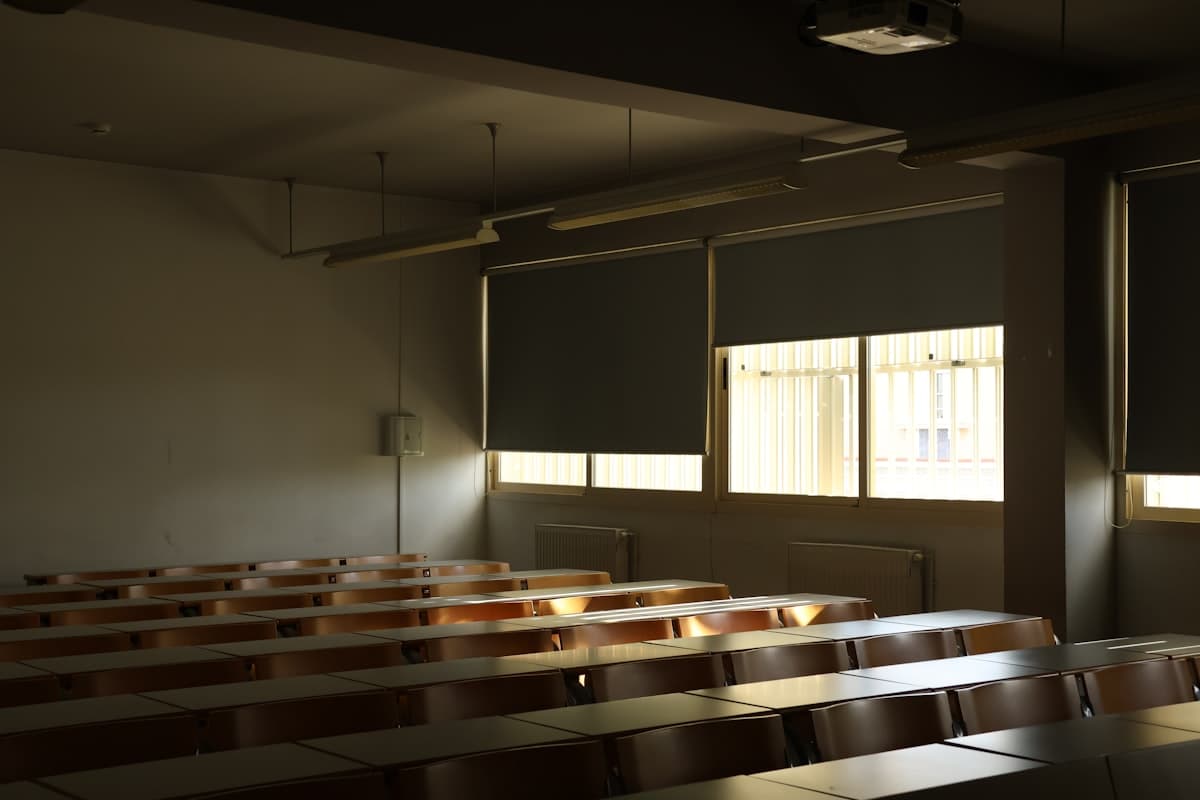
Understand how daycares work in Spain, from the differences between public and private networks to cost estimates for your financial planning. When planning a routine with small children in Spain, understanding early childhood education is one of the first steps to organizing family life. The Spanish system is structured to cater to children aged 0 to 3 years, known locally as educación infantil de primer ciclo.
Public vs. Private Daycare: The Differences
The early childhood education system in Spain fundamentally divides into two models: public daycares (escuelas infantiles públicas) and private ones (guarderías privadas).
Public daycares have very high demand, with access regulated by local governments or Ayuntamientos. The monthly fee in these centers is usually determined by the family's income. For example, in certain communities, families with average incomes may pay reduced rates such as 180 euros per month, while higher incomes incur larger fees.
Private daycares offer a wider range of options but come at a significantly higher cost. In these locations, the average price ranges from 300 to 700 euros monthly, though in major metropolitan areas this amount can easily exceed 1,000 euros depending on hours and included services (such as meals).

Cost Estimates
If you are budgeting for your family, consider that the average cost of private daycare in Spain, considering an eight-hour day with meals, ranges around 310 to 540 euros. In some capitals, monthly costs can vary between 300 and 800 euros.
It's important to highlight that these values are variable, and many families end up allocating a significant portion of their monthly income for childcare. Besides the monthly fee, hiring private nannies can further increase expenses, often exceeding an additional 150 euros per month depending on required hours.
How to Secure a Spot
To secure a spot in the public network, you need to be aware of registration deadlines, which are set annually by regional education authorities. The process requires documentation proving residency and family economic status. It is recommended that as soon as you have your NIE number and are settled in your residence, check information with the Ayuntamiento of your city to know the enrollment calendar.
In private daycares, the process is direct with the establishment's administration office. The advantage is flexibility in hours, but the disadvantage is a direct impact on the budget. Many companies in Spain offer what is called cheque guardería, a benefit that allows paying for daycare with part of the gross salary, offering an interesting tax advantage to parents.
When choosing the best option for your child, consider not only the monthly value but also location, operating hours, and availability of spots, which are often filled well in advance.
Sources
Enjoyed it? Don't miss what's next.
Articles, guides and opportunities for Brazilians in Spain, straight to your inbox.
Our social media
Follow our posts wherever you prefer.
What did you think of this content?
Comments
Leave a comment
Your email won't be published. Comments go through moderation before appearing.
Review before sending — comments can't be edited after submission.
0/1000More in Articles
II Concurso de Fotografia Brasil na Espanha está com inscrições abertas
Participe do II Concurso de Fotografia Brasil na Espanha. Envie suas fotos sobre a cultura brasileira e concorra nesta edição temática inspirada em Chico Buarque.
Art and Museums in Eivissa (City): A Practical Guide
Discover the essential museums in Eivissa and plan your visit with information about prices, hours, and locations within the historic center of the island.

Segovia Aqueduct: A Complete Guide to Roman Engineering
Discover the history and secrets of the Segovia Aqueduct, one of the best-preserved examples of Roman civil engineering in the world, and plan your visit to this historical landmark.
Monuments of Bilbao: The Living History in Every Stone of the City
Explore the monuments of Bilbao and understand how each structure narrates the industrial and cultural evolution of the Basque capital.