
Haro: Discover the Fascinating History and Secrets of Rioja's Capital
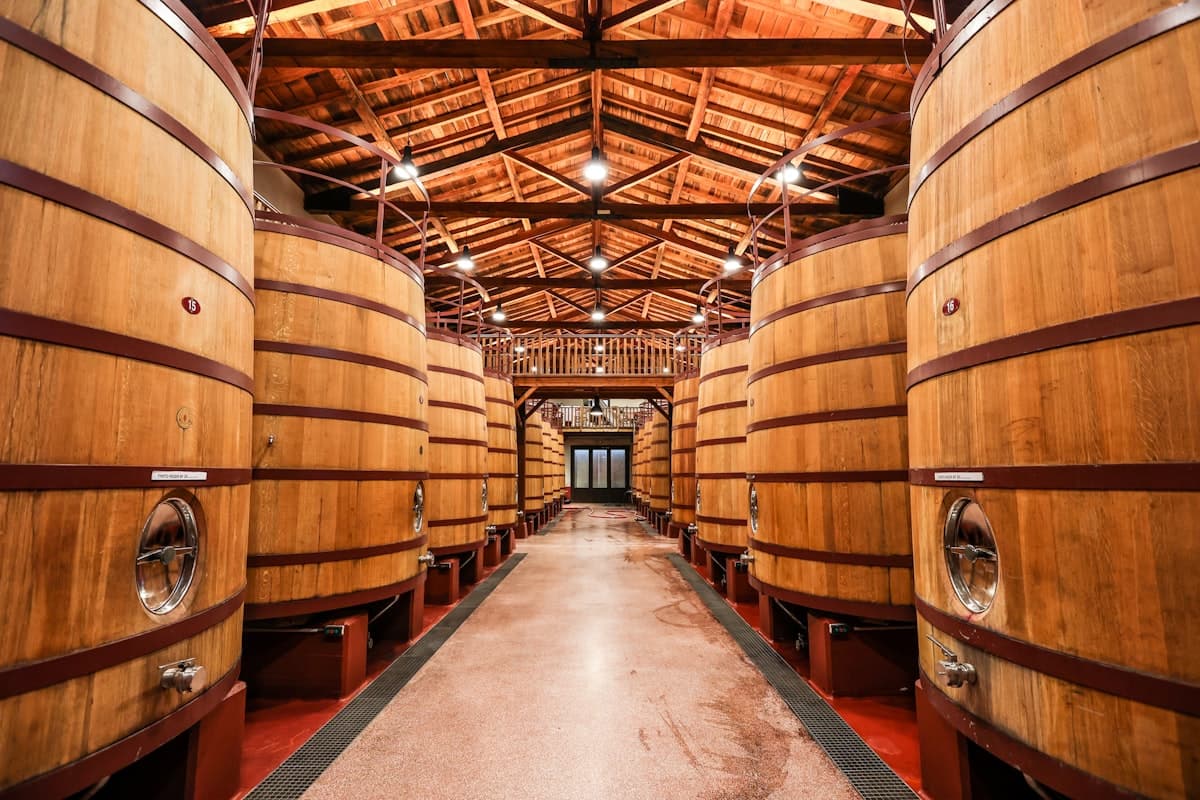
Haro is widely recognized as the capital of Rioja wine, but the history of this city hides layers that most tourists visiting the region overlook. Located in La Rioja, this town has a trajectory marked by its strategic position as borderland territory, shaping its identity and heritage over centuries.
Ancient Roots and Archaeological Remains
Human occupation in the area predates the development of the wine industry we know today. Historians and archaeological research confirm that the territory was inhabited by Berones, a pre-Roman people. During the period of Romanization of the Iberian Peninsula, the strategic importance of the area became evident with the existence of Castrum Bilibium, an establishment located in the zone of Las Conchas above the Ebro river.
Another interesting discovery was made on the Alto de Santa Lucía, where remnants of Roman coins dating back to the Second Triumvirate period were found. These artifacts reinforce the city's role as a vital passage and control point in ancient times.

The Origin of the Name and the Surname "Jarreros"
If you've heard residents of Haro being called "jarreros," know that this irregular gentilic is linked to a pottery tradition. Historically, the city had a strong artisanal tradition in ceramic production, specifically jars. This detail reflects directly on the local identity that persists despite the city's growth as an enological hub.
Additionally, the surname "Haro" carries a millennia-old history dating back almost a thousand years. According to historical records, the surname originated from a conflict between kings who fought a battle precisely in this city. Although there are later genealogical references, such as one mentioning a birth in Gilena (Sevilla) in 1755, the root of the name is intrinsically tied to Riojan soil.
What to Visit in Haro Beyond Wineries
To understand the historical depth of Haro, it's recommended to explore the area between the city and Briñas. There, studies indicate the presence of a supposed sanctuary, highlighting the archaeological and historical value that the city preserves beyond its famous vineyards.
When planning your stay, consider consulting information provided by the Ayuntamiento de Haro, which maintains historical records about local heritage. The city is an ideal starting point for those seeking to combine wine tourism with visits to sites of regional historical significance.
Remember to always check opening hours for cultural spaces and monuments directly through official channels, ensuring your visit is organized and rewarding. A tour through Haro offers a complete immersion in the evolution of a land that has preserved its border past while establishing itself as a world reference in wines.
Sources
Enjoyed it? Don't miss what's next.
Articles, guides and opportunities for Brazilians in Spain, straight to your inbox.
Our social media
Follow our posts wherever you prefer.
What did you think of this content?
Comments
Leave a comment
Your email won't be published. Comments go through moderation before appearing.
Review before sending — comments can't be edited after submission.
0/1000More in Articles
II Concurso de Fotografia Brasil na Espanha está com inscrições abertas
Participe do II Concurso de Fotografia Brasil na Espanha. Envie suas fotos sobre a cultura brasileira e concorra nesta edição temática inspirada em Chico Buarque.
Art and Museums in Eivissa (City): A Practical Guide
Discover the essential museums in Eivissa and plan your visit with information about prices, hours, and locations within the historic center of the island.

Segovia Aqueduct: A Complete Guide to Roman Engineering
Discover the history and secrets of the Segovia Aqueduct, one of the best-preserved examples of Roman civil engineering in the world, and plan your visit to this historical landmark.
Monuments of Bilbao: The Living History in Every Stone of the City
Explore the monuments of Bilbao and understand how each structure narrates the industrial and cultural evolution of the Basque capital.