Cordoba Cathedral-Mosque: Complete Guide and History
Cordoba Cathedral-Mosque: Complete Guide and History
Explore the architectural mysteries of the Cordoba Cathedral-Mosque, a monument that best encapsulates Andalusia's complex historical journey. Located in the heart of Córdoba city, this construction is a unique example of cultural overlap, where an Omeyan mosque was transformed into a Christian cathedral, resulting in an aesthetic blend of Hispano-Muslim, Gothic, Renaissance, and Baroque elements.
History and Origin
The original construction dates back to 785, establishing itself as one of the most significant landmarks of Omayyad art. Over the centuries, the building underwent substantial expansions, with the most notable being that carried out by Abderramán III after establishing the Caliphate in 929. This expansion included enlarging the courtyard and erecting a new minaret—symbolizing power at the time, standing 47 meters tall.
The religious transition occurred following the Christian conquest of the city by Fernando III of Castile in 1236. Although the building was consecrated to Christian worship immediately after, significant structural changes were only implemented from 1523 onwards when Bishop Alonso Manrique ordered the construction of a central nave for Christian worship within the old temple. This project, involving architects such as Hernán Ruiz and Juan de Ochoa, continued until 1607, creating an impactful visual contrast between the "forest of columns" Islamic style and the Renaissance central nave.
Architectural Curiosities
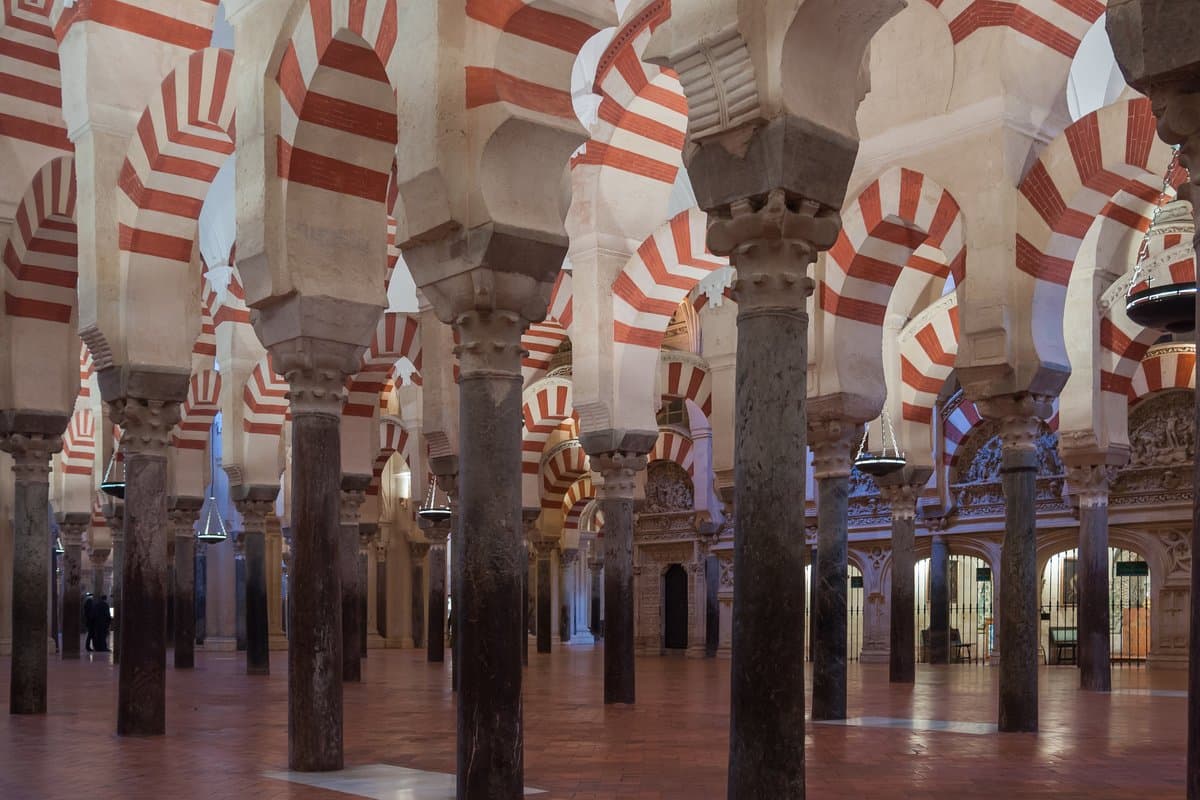
One of the most intriguing secrets of the structure lies in its famous double arches. The original builders reused columns from earlier temples that were excessively short. To compensate for the reduced height and ensure the necessary grandeur, architects opted for overlapping arches, a technique that became the trademark visual identity of the mosque.
The use of materials like limestone gives the interior a unique tone that varies according to the incidence of sunlight through openings. Unlike other cathedrals, this monument does not follow just one aesthetic canon but acts as a living record of Omayyad, Gothic, and Renaissance eras coexisting in a single space measuring 178 meters long.
Practical Information for Visiting
For those residing in Spain who wish to explore this historical landmark, planning is essential. The site management is handled by the Diocese of Córdoba, which manages visiting hours and rules. It's always recommended to check the schedule on the Official Portal of Cordoba Cathedral-Mosque before traveling, as hours can change according to the liturgical calendar and tourist demand.
The monument is located in the historic center, easily accessible by foot if you are staying near the Judería. Upon arrival, pay attention to signage for tourist access. It's a visit that requires time to observe chapel details and the complexity of the arch system. To ensure your entry, it’s possible to purchase tickets in advance through the institution's website.
Sources
- La Vanguardia - History and Curiosities of Cordoba Mosque
- Wikipedia - Cordoba Cathedral-Mosque
- National Geographic - Guide to the Mosque of Córdoba
- Cover photo: Jose María Ligero Loarte / Wikimedia Commons, license CC BY-SA 4.0
Enjoyed it? Don't miss what's next.
Articles, guides and opportunities for Brazilians in Spain, straight to your inbox.
Our social media
Follow our posts wherever you prefer.

What did you think of this content?
Comments
Leave a comment
Your email won't be published. Comments go through moderation before appearing.
Review before sending — comments can't be edited after submission.
0/1000More in Articles
II Concurso de Fotografia Brasil na Espanha está com inscrições abertas
Participe do II Concurso de Fotografia Brasil na Espanha. Envie suas fotos sobre a cultura brasileira e concorra nesta edição temática inspirada em Chico Buarque.
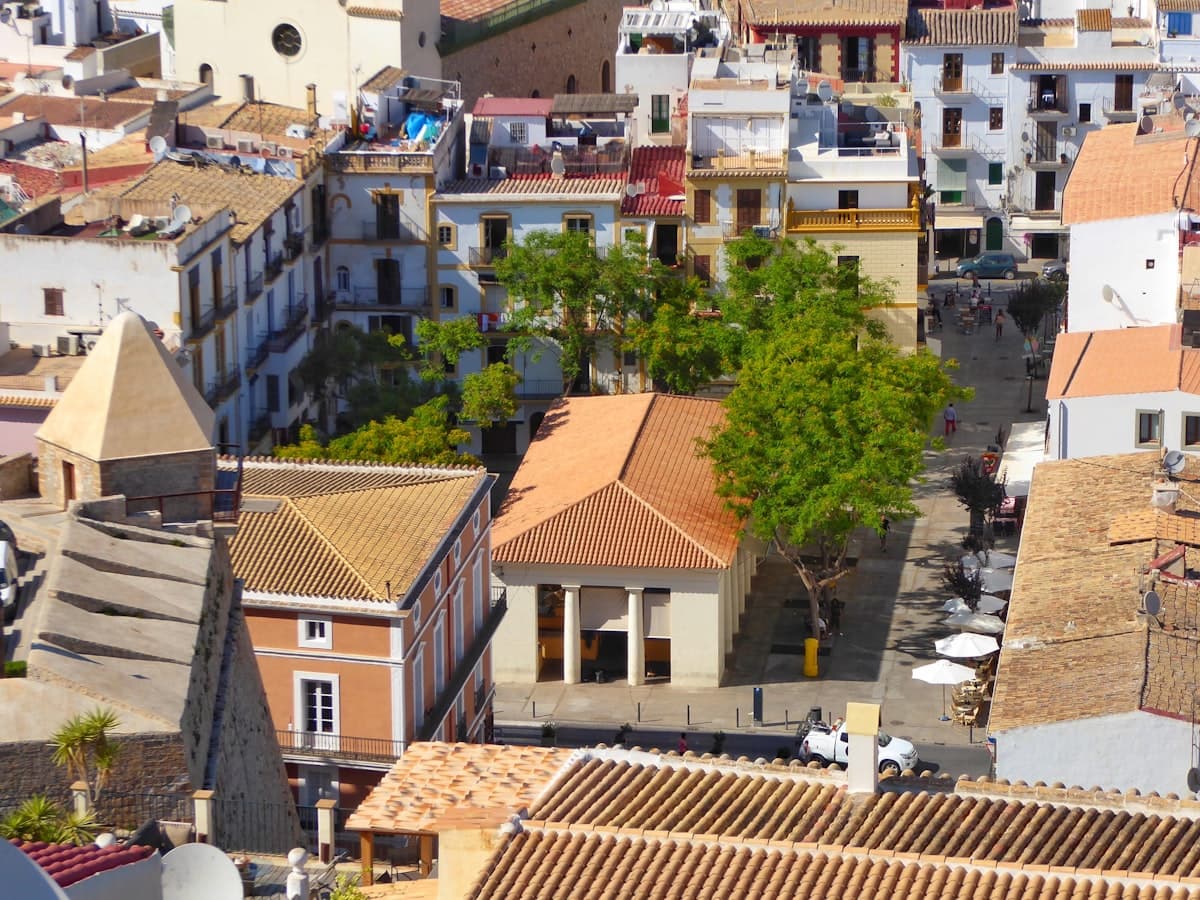
Art and Museums in Eivissa (City): A Practical Guide
Discover the essential museums in Eivissa and plan your visit with information about prices, hours, and locations within the historic center of the island.

Segovia Aqueduct: A Complete Guide to Roman Engineering
Discover the history and secrets of the Segovia Aqueduct, one of the best-preserved examples of Roman civil engineering in the world, and plan your visit to this historical landmark.
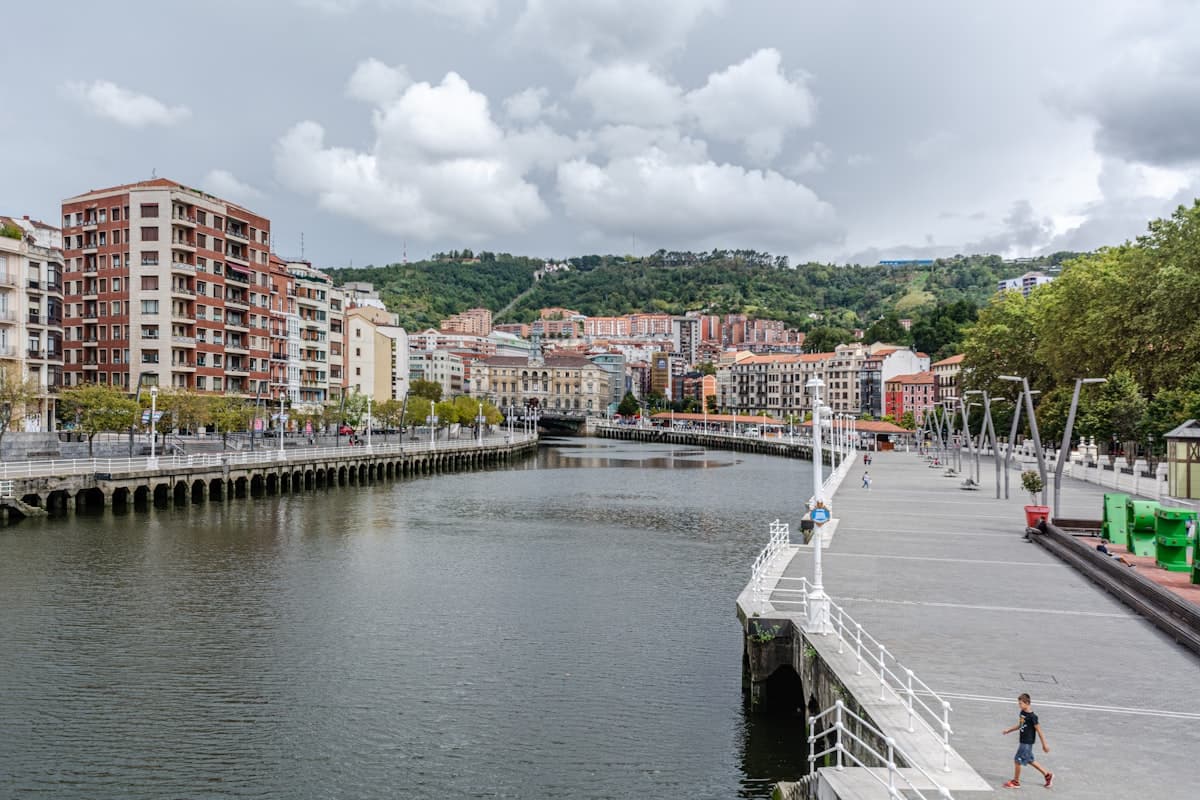
Monuments of Bilbao: The Living History in Every Stone of the City
Explore the monuments of Bilbao and understand how each structure narrates the industrial and cultural evolution of the Basque capital.