

Where Brazilians live in Spain in 2026: cities, neighborhoods, and rent
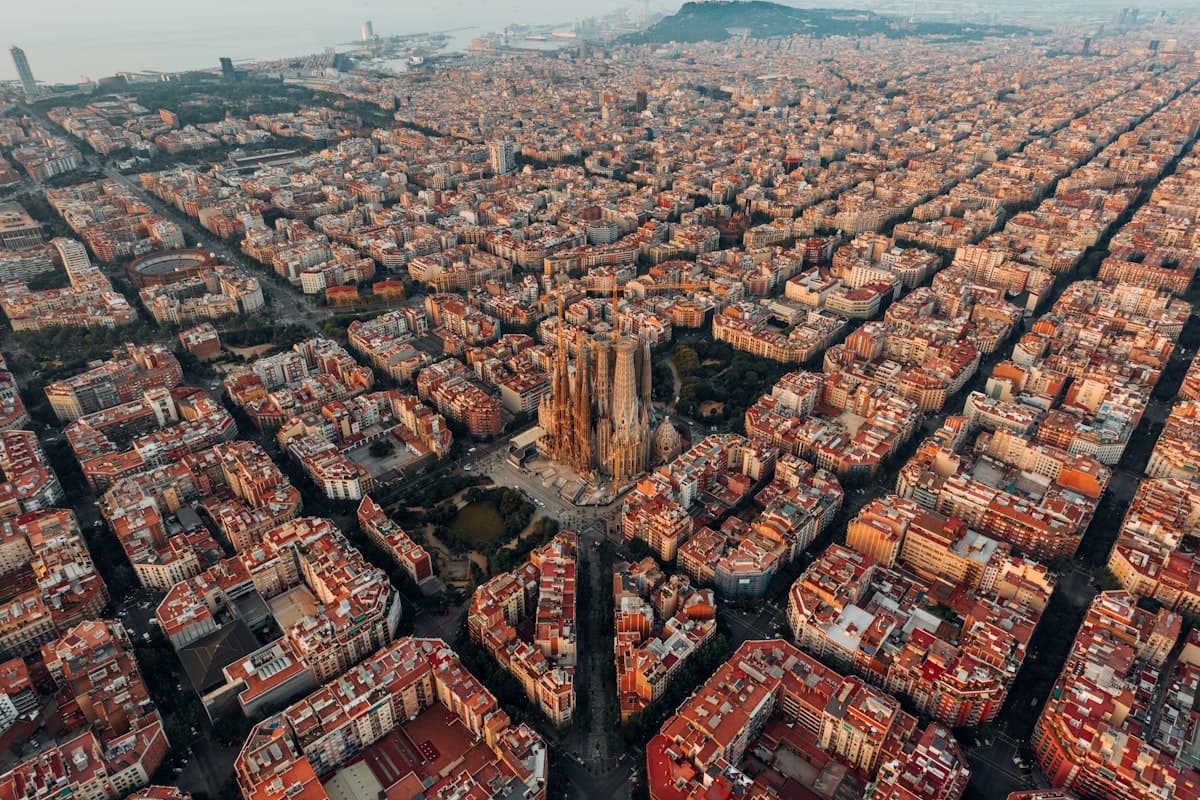
Spain is now the third European country with the most Brazilians, trailing only Portugal and the United Kingdom. According to data from Brazil's Ministry of Foreign Affairs, there are approximately 161,000 registered Brazilians in the country — and this number grows every year, driven by work visas, family reunification, and the extraordinary regularization process open until June 2026.
But where exactly is this community concentrated? The answer matters a lot for those planning a move: the cost of living, job opportunities, and support networks vary significantly from city to city.
The general map
Brazilians are not distributed uniformly across the Spanish territory. There is a clear concentration in three major hubs:
| Region | Brazilians (approx.) |
|---|---|
| Community of Madrid | ~42,000 |
| Catalonia (prov. Barcelona) | ~38,000 |
| Andalusia | ~15,000 |
| Galicia | ~9,000 |
| Basque Country | ~5,500 |
| Valencian Community | ~8,000 |
| Other regions | ~44,000 |
Sources: INE (Padrón Municipal 2022–2024) and Brazil's Ministry of Foreign Affairs (2025). The Padrón numbers tend to be conservative — many Brazilians reside without formal registration.
Madrid — the largest community
Madrid hosts the largest Brazilian community in Spain, with estimates ranging between 16,000 (municipal Padrón data) and over 40,000 when counting the metropolitan area and non-registered residents.
The city attracts Brazilians for being Spain's primary hub for corporate employment, technology, and services — and for having frequent direct flights to São Paulo and other Brazilian state capitals.
Where Brazilians live in Madrid
Lavapiés is the neighborhood most identified with the Latin American immigrant community. It is multicultural, with an intense cultural life, theaters, bars, and restaurants from all over the world — and rent still below the city center average.
Carabanchel and Vallecas are the preferred neighborhoods for those who prioritize savings. With rents 30 to 50% cheaper than the center and good metro connections (15–25 minutes to Puerta del Sol), these are neighborhoods in transformation with a strong Brazilian and Latin American presence.
Tetúan and Arganzuela sit between being affordable and well-located — a good cost-benefit ratio for those who want to be near the center without paying the prices of Salamanca or Chamberí.
Rent in Madrid (2025–2026)
| Neighborhood | 1 bedroom (approx.) |
|---|---|
| Centro / Malasaña / Chueca | €1,300–1,800 |
| Lavapiés / Arganzuela | €1,000–1,300 |
| Tetúan / Chamartín | €950–1,200 |
| Carabanchel / Vallecas | €750–1,000 |

Barcelona — second largest, but with caveats
The province of Barcelona has about 38,000 Brazilians, but the majority do not live in the city itself — it is divided between Barcelona city (~14,000) and metropolitan area municipalities like L'Hospitalet de Llobregat, Badalona, and Sabadell, where rent is significantly lower.
Barcelona especially attracts Brazilians linked to technology, design, gastronomy, and tourism — sectors where the city has international weight.
Where Brazilians live in Barcelona
El Raval and Gràcia concentrate a large part of the Brazilian and Latin American community in the city. El Raval is multicultural and central; Gràcia has a neighborhood feel, plenty of cafes, and artistic life.
L'Hospitalet de Llobregat, technically outside of Barcelona but connected by metro, is where a good portion of the region's Brazilians actually live — with much more affordable rent and quick access to the center.
Rent in Barcelona (2025–2026)
| Area | 1 bedroom (approx.) |
|---|---|
| Barcelona city (Eixample, Gràcia) | €1,400–2,000 |
| Barcelona city (Raval, Poble Sec) | €1,100–1,500 |
| L'Hospitalet / Badalona | €800–1,100 |
| Sabadell / Terrassa | €650–900 |
Barcelona has the highest rent in Spain after Madrid. Those without a guaranteed job in the city should consider the surrounding municipalities.
Valencia — the balance many seek
Valencia has grown significantly as a destination for Brazilians in recent years — and for good reasons. The city combines high quality of life, excellent weather, gastronomy, beaches, and a cost of living significantly lower than Madrid and Barcelona.
The Brazilian community in Valencia is still smaller (~4–5 thousand in the city) but is growing fast, especially among digital nomads, Portuguese teachers, and Brazilians who arrive via Galicia and migrate internally.
Ruzafa is the most popular neighborhood among foreigners and young people — vibrant, full of cafes, restaurants, and nightlife. El Carmen is more historical and touristic, but also has a Brazilian presence. For those who want lower rent, the neighborhoods of Benimaclet and Patraix are growing options.
| Area | 1 bedroom (approx.) |
|---|---|
| Ruzafa / El Carmen | €850–1,200 |
| Benimaclet / Campanar | €700–950 |
| Periphery / neighboring towns | €550–750 |
Málaga — the destination for digital nomads
Málaga has become a phenomenon in recent years. The city has attracted a wave of international remote workers, including many Brazilians who work in tech companies or as freelancers.
Andalusia as a whole has ~15,000 Brazilians, with Málaga concentrating an increasing portion of that number. The El Centro neighborhood and the Soho area are the most sought after. The Google Campus Málaga and the growing presence of multinationals have made the city a technological hub.
| Area | 1 bedroom (approx.) |
|---|---|
| Centro / Soho | €900–1,300 |
| Pedregalejo / El Palo | €750–1,100 |
| Surroundings (Torremolinos, Fuengirola) | €650–900 |
Other cities worth noting
Seville has a smaller Brazilian community, but it is the capital of Andalusia with a large cultural offering and a lower cost of living than the four cities above. Ideal for those who prioritize quality of life and do not depend on a large local job market.
Bilbao and the Basque Country attract Brazilians for the industrial and tech job market — higher average salaries, but with a very different climate (plenty of rain) and less of an established Latin American community.
Galicia (especially Vigo and A Coruña) stands out for specific reasons: many Brazilians have Galician ancestry and seek Spanish citizenship through this path. The community is old and organized, with well-established associations.
Which city makes sense for you?
| Profile | Recommended city |
|---|---|
| Corporate / tech job | Madrid |
| Design, gastronomy, tourism | Barcelona |
| Cost-benefit, quality of life | Valencia |
| Remote work / digital nomad | Málaga or Valencia |
| Galician ancestry / citizenship | Galicia (Vigo, A Coruña) |
| Lower cost, slower pace | Seville |
This article is updated periodically with data from the INE and Brazilian consulates. Do you have your own experience on where Brazilians are settling? Use the "Suggest a guide" button to share — your insight could help other Brazilians on the same journey.
Enjoyed it? Don't miss what's next.
Articles, guides and opportunities for Brazilians in Spain, straight to your inbox.
Our social media
Follow our posts wherever you prefer.
What did you think of this content?
Comments
Leave a comment
Your email won't be published. Comments go through moderation before appearing.
Review before sending — comments can't be edited after submission.
0/1000More in Articles
II Concurso de Fotografia Brasil na Espanha está com inscrições abertas
Participe do II Concurso de Fotografia Brasil na Espanha. Envie suas fotos sobre a cultura brasileira e concorra nesta edição temática inspirada em Chico Buarque.
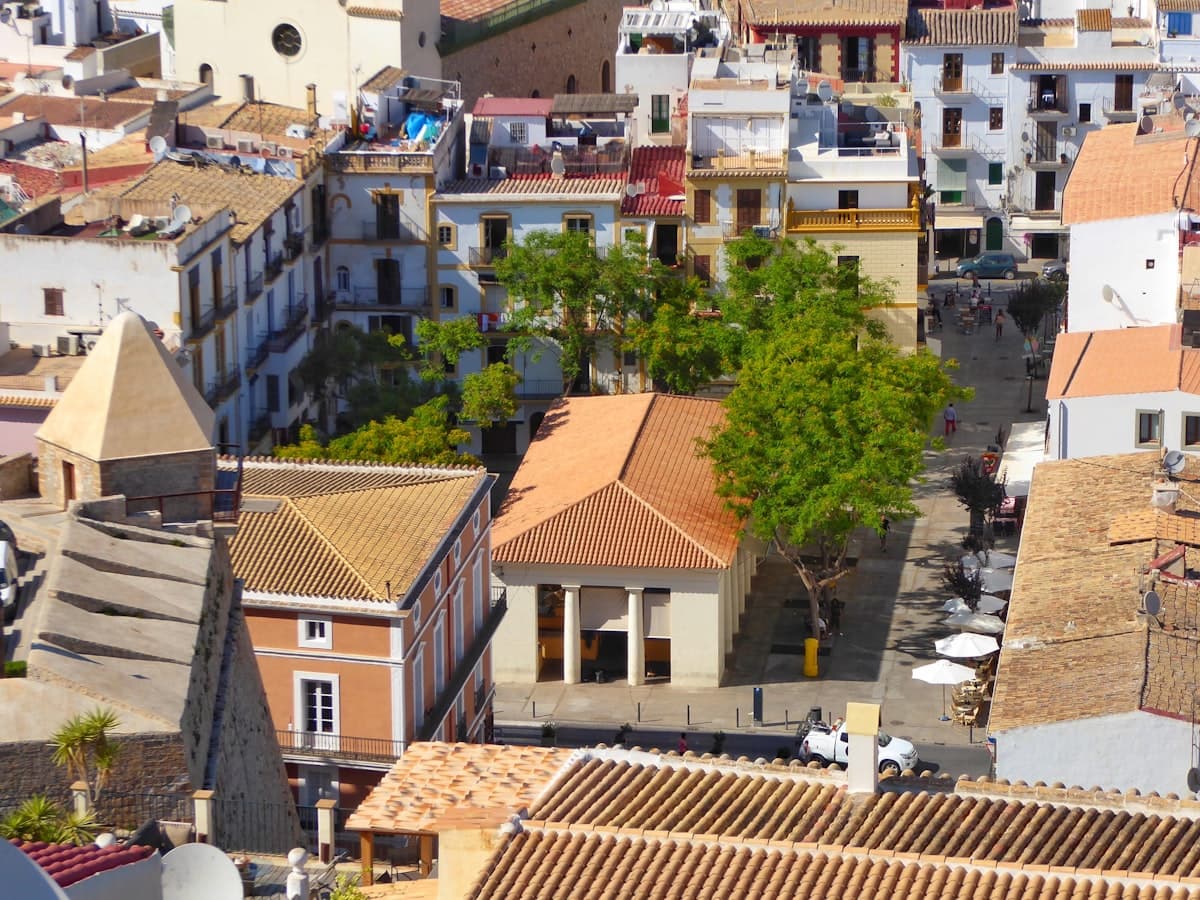
Art and Museums in Eivissa (City): A Practical Guide
Discover the essential museums in Eivissa and plan your visit with information about prices, hours, and locations within the historic center of the island.

Segovia Aqueduct: A Complete Guide to Roman Engineering
Discover the history and secrets of the Segovia Aqueduct, one of the best-preserved examples of Roman civil engineering in the world, and plan your visit to this historical landmark.
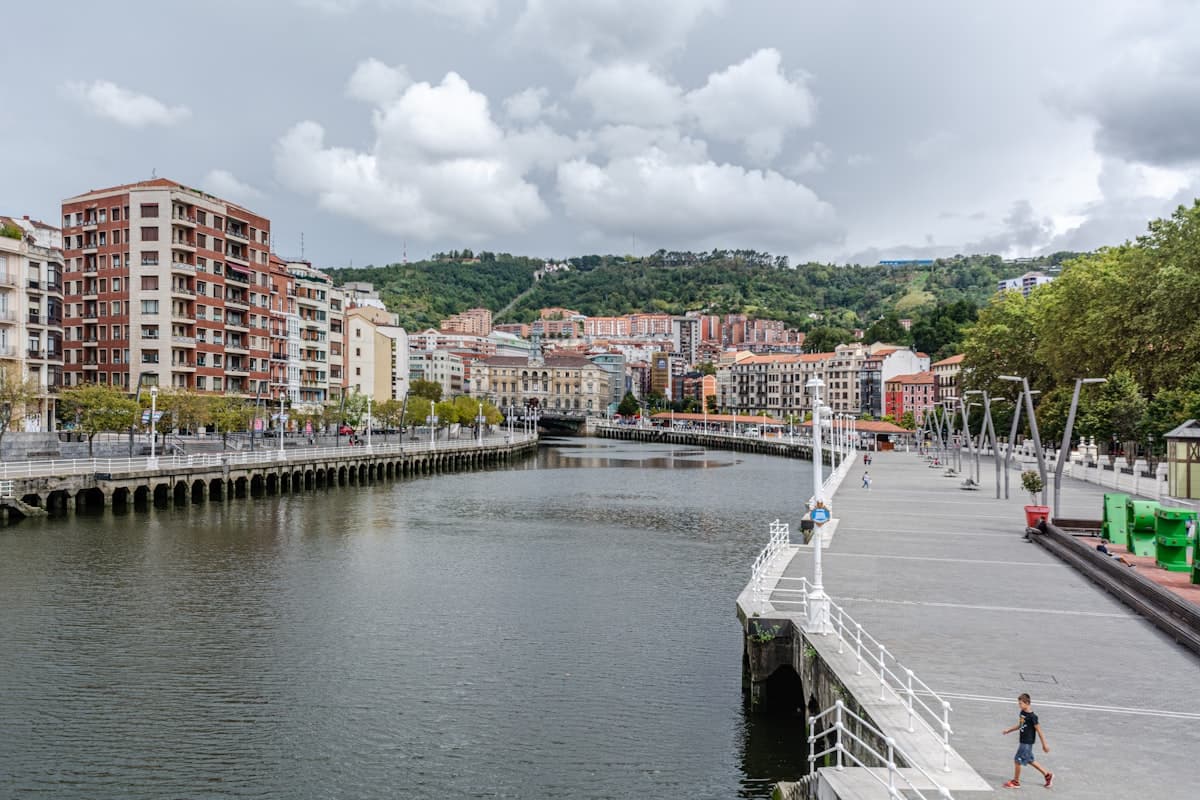
Monuments of Bilbao: The Living History in Every Stone of the City
Explore the monuments of Bilbao and understand how each structure narrates the industrial and cultural evolution of the Basque capital.