

Royal Palace of Madrid: A Comprehensive Guide to Europe's Largest Royal Residence
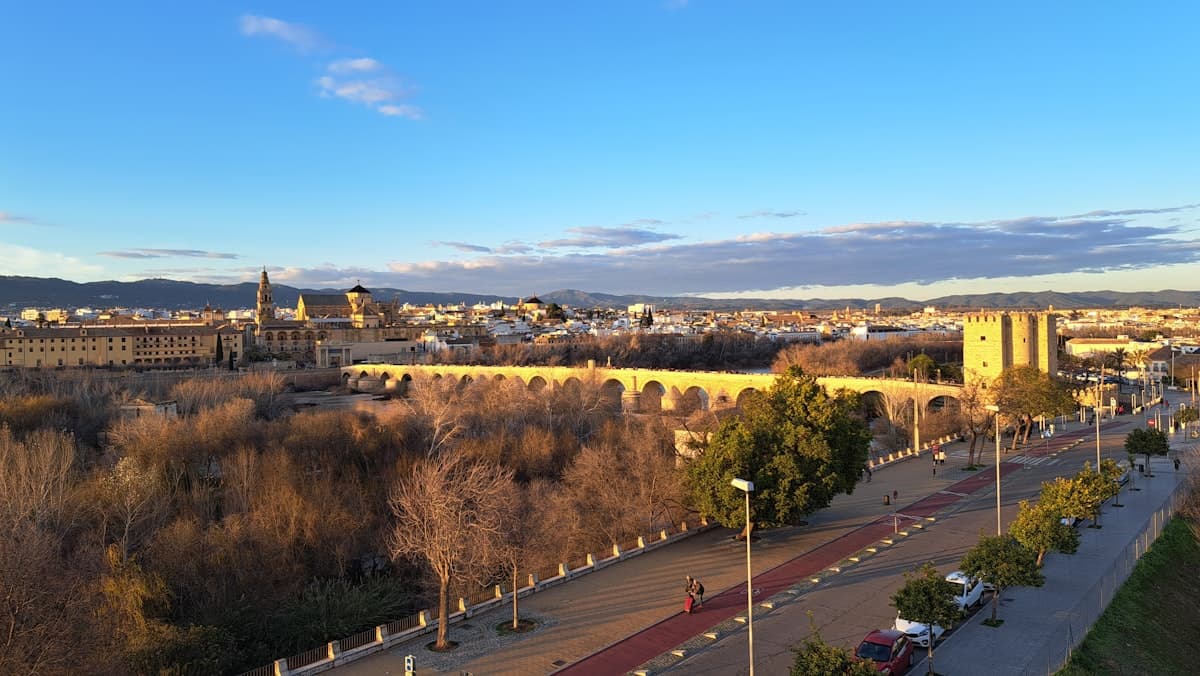
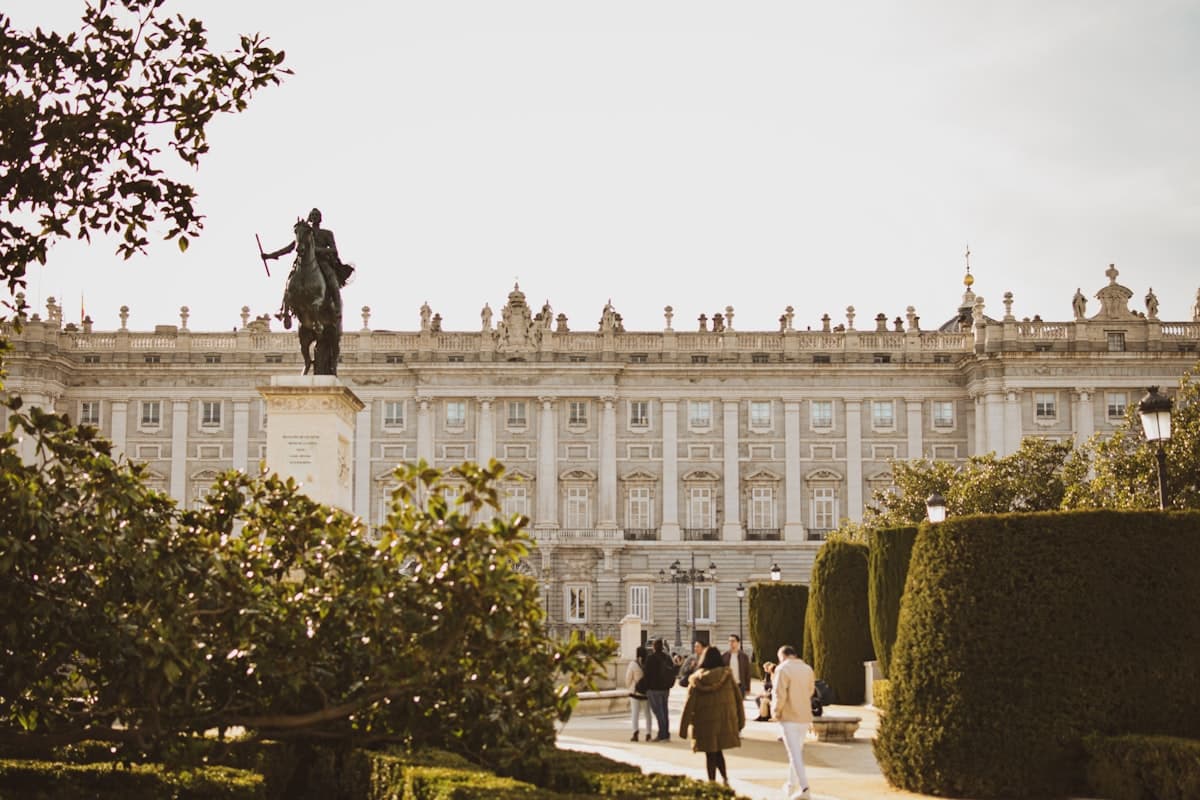
The Royal Palace of Madrid is more than just a historical monument; it is the symbolic heart of the Spanish monarchy and undoubtedly the most impressive building you will encounter while exploring the city. Located on Calle de Bailén, it rises majestically from the site where the old Alcázar once stood.
A history marked by fire and grandeur
The story of today’s palace began after Christmas Eve 1734, when a devastating fire destroyed the old Alcázar. Under King Philip V's command, construction of the current residence started in the 18th century. The original project was even more ambitious than the final structure: initially, it was planned for the palace to be four times larger with 23 courtyards and a façade stretching over 480 meters, a plan that would have transformed the building into one of the largest structures in the world, though the current result is impressive enough.

Numbers that impress
When talking about grandeur, numbers don’t lie. With a total surface area exceeding 135,000 square meters, the Royal Palace of Madrid is considered the largest royal residence in Western Europe. To put it into perspective, it surpasses Buckingham Palace in size. Within its walls are no less than 3,418 rooms and chambers that house centuries of history, art, and palace intrigues.
Practical tips for your visit
Whether you live in Spain or are just passing through, this is a must-see stop. The management of visits and the conservation of heritage fall under the responsibility of Patrimonio Nacional.
When planning your itinerary, consider these key points:
- Tickets: It is highly recommended to purchase tickets in advance through the official website of Patrimonio Nacional to avoid queues. Remember that when you buy a ticket for the Royal Palace, you often gain access to the Gallery of Royal Collections (check the 7-day validity mentioned on the official website).
- Free entry times: There are specific free entry times (usually from Monday to Thursday after 6 PM). Be aware that tickets during these hours have different conditions and usually do not include access to the Gallery of Royal Collections.
- How to get there: The palace is well connected by Madrid’s public transportation network. The nearest metro station is Ópera (Lines 2 and 5).
Curiosities few know
Beyond the numbers, the palace is a treasure chest of secrets. Its kitchens, for example, have been subject to detailed historical studies by experts like Ana Vega Pérez de Arlucea, revealing how royal gastronomy shaped courtly habits. Every detail, from the painted vaults to the arrangement of the halls, was meticulously planned to reflect the power of the Spanish crown. Enjoy your visit and observe the richness of the internal decorations; they are, for the most part, a living testimony to the artistic refinement of the 18th century.
Sources
Enjoyed it? Don't miss what's next.
Articles, guides and opportunities for Brazilians in Spain, straight to your inbox.
Our social media
Follow our posts wherever you prefer.
What did you think of this content?
Comments
Leave a comment
Your email won't be published. Comments go through moderation before appearing.
Review before sending — comments can't be edited after submission.
0/1000More in Articles
II Concurso de Fotografia Brasil na Espanha está com inscrições abertas
Participe do II Concurso de Fotografia Brasil na Espanha. Envie suas fotos sobre a cultura brasileira e concorra nesta edição temática inspirada em Chico Buarque.
Art and Museums in Eivissa (City): A Practical Guide
Discover the essential museums in Eivissa and plan your visit with information about prices, hours, and locations within the historic center of the island.

Segovia Aqueduct: A Complete Guide to Roman Engineering
Discover the history and secrets of the Segovia Aqueduct, one of the best-preserved examples of Roman civil engineering in the world, and plan your visit to this historical landmark.
Monuments of Bilbao: The Living History in Every Stone of the City
Explore the monuments of Bilbao and understand how each structure narrates the industrial and cultural evolution of the Basque capital.