
Puente Nuevo de Ronda: A Complete Guide to the Icon of Andalucía

The Puente Nuevo is undoubtedly the most recognizable postcard image of Ronda, in the province of Málaga. This monumental work is not just a passage between the historical and modern zones of the city, but an impressive engineering feat that spans the abyss created by the Guadalevín river. For those living in Spain and planning a visit, understanding the grandeur of this place transforms the tourist experience into a more attentive look at local history.
The Complex History of Construction
The construction of the Puente Nuevo was a technical challenge that spanned centuries of ambition. The original project dates back to 1542, but it wasn't until 1735 that the first attempt to build the bridge was realized. Unfortunately, this initial structure collapsed six years later in a tragic accident that claimed the lives of 50 people, primarily due to poor execution and inadequate supports.
It wasn't until 1751 that authorities decided to resume construction. The work was arduous and extended until 1793, coinciding with the celebration of the Real Feria de Ronda, the oldest fair in Andalucía. The engineering of the time required that stone be extracted from the gorge itself and hoisted up vertically by 100 meters, creating a solid foundation at the bottom of the canyon. The result is an imposing central arch with walls rising to a height equivalent to a 30-story building.

Curiosities and Technical Data
What makes the Puente Nuevo unique is its integration into the natural landscape. The gorge carved by the Guadalevín river forced builders to adopt advanced technical solutions for the 18th century. The monument is divided into three sections, with the central one being the main architectural highlight.
Contrary to what many imagine, the current construction was a "project born out of fear" of repeating the failure of the first structure. The perseverance of Ronda's inhabitants, who sought to connect both sides of the cliff since Arab times and later during Christian occupation starting in 1485, ensured that the bridge became the definitive symbol of the city.
Practical Tips for Your Visit
For those wishing to visit the site and explore the Interpretation Center, support is located at Plaza de España, in Ronda. The center offers detailed information about the structure, allowing visitors to better understand the magnitude of the work.
It is recommended to check operating hours directly with Turismo de Ronda, which manages access and tourist information for the monument. Given that it is one of the most visited attractions in the region, planning your arrival during less crowded times helps to enjoy the view of the gorge more tranquilly. Remember that the area has various trails and viewpoints around the canyon, with the Puente Nuevo being an ideal starting point to explore the unique geography of this part of Andalucía.
Sources
- Puente Nuevo (Ronda) - Wikipedia
- Historia y curiosidades del Puente Nuevo - ABC Viajar
- La ingeniería detrás del Puente Nuevo - Xataka Magnet
- Cover photo: pani.minister / Wikimedia Commons, license CC BY 2.0
Enjoyed it? Don't miss what's next.
Articles, guides and opportunities for Brazilians in Spain, straight to your inbox.
Our social media
Follow our posts wherever you prefer.
1 reactions
Comments
Leave a comment
Your email won't be published. Comments go through moderation before appearing.
Review before sending — comments can't be edited after submission.
0/1000More in Articles
II Concurso de Fotografia Brasil na Espanha está com inscrições abertas
Participe do II Concurso de Fotografia Brasil na Espanha. Envie suas fotos sobre a cultura brasileira e concorra nesta edição temática inspirada em Chico Buarque.
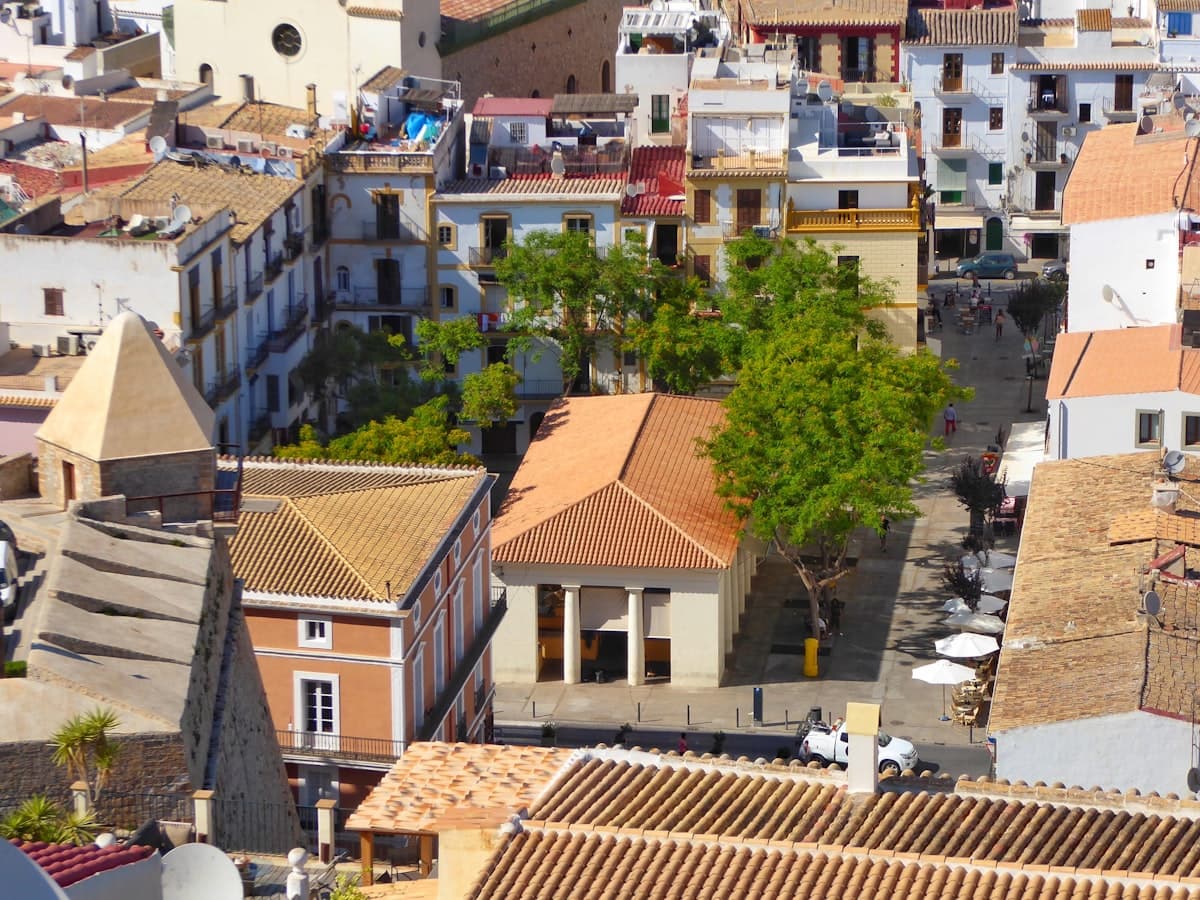
Art and Museums in Eivissa (City): A Practical Guide
Discover the essential museums in Eivissa and plan your visit with information about prices, hours, and locations within the historic center of the island.

Segovia Aqueduct: A Complete Guide to Roman Engineering
Discover the history and secrets of the Segovia Aqueduct, one of the best-preserved examples of Roman civil engineering in the world, and plan your visit to this historical landmark.
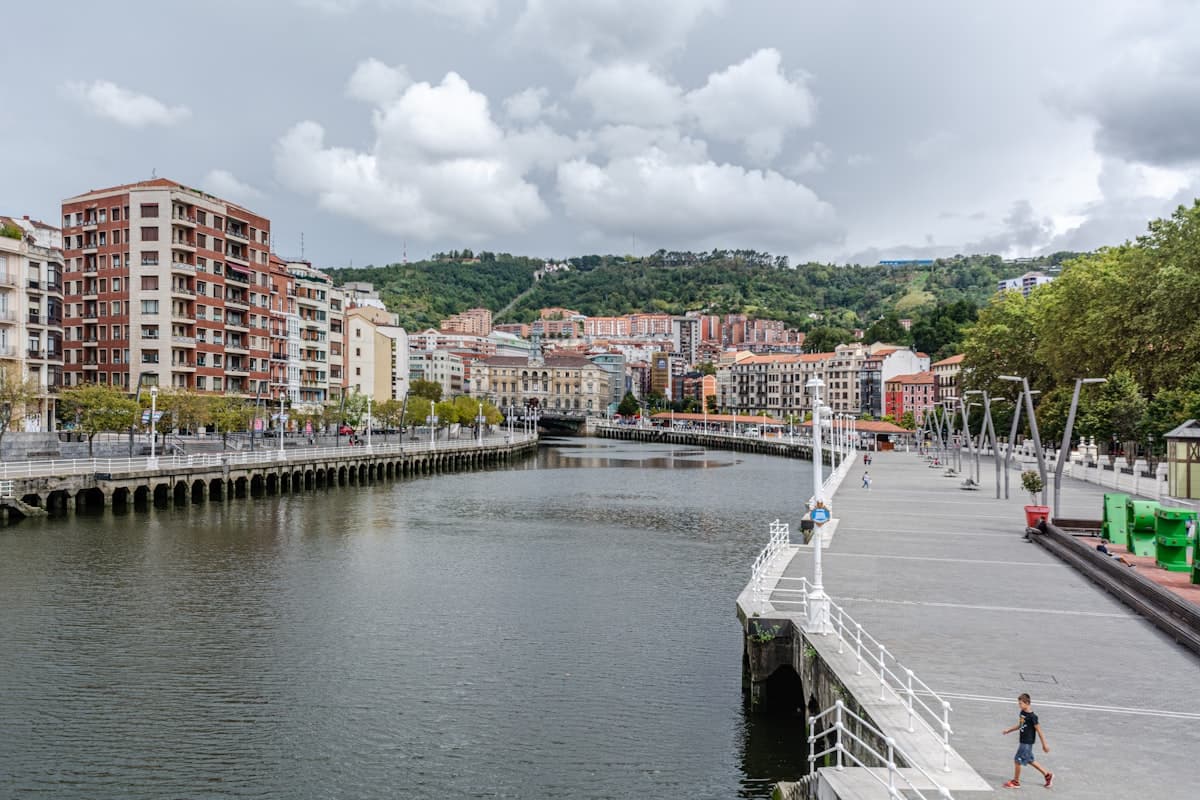
Monuments of Bilbao: The Living History in Every Stone of the City
Explore the monuments of Bilbao and understand how each structure narrates the industrial and cultural evolution of the Basque capital.