Spanish Educational System: Understand the Differences from Brazil
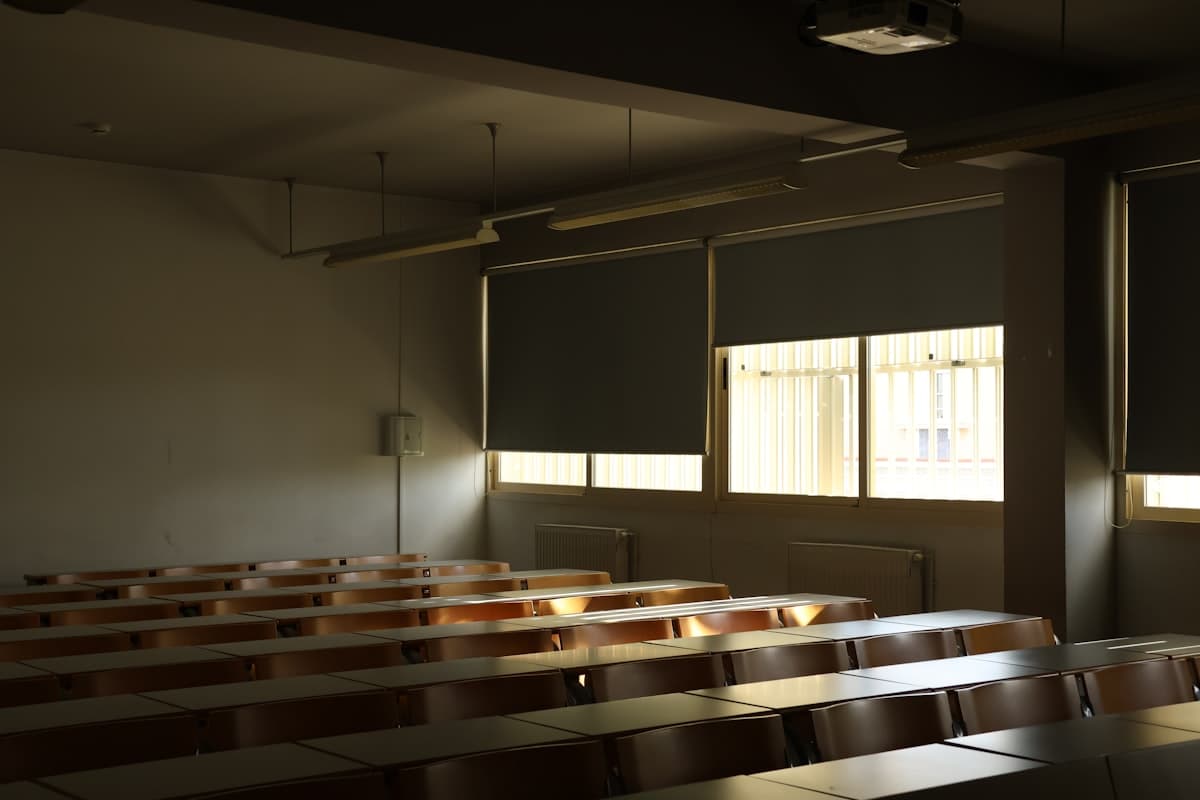
Moving to Spain with your family? Get to know the structure of school stages, compulsory education requirements, and how the local education system works.
School adaptation is one of the most important pillars for those planning life in Spain. Unlike Brazil, where the educational journey is quite standardized into fundamental stages, the Spanish educational system has specific divisions and periods of obligation that directly impact family planning.
Early Childhood Education and the Two Cycles
The first stage is Early Childhood Education, aimed at children aged 0 to 6 years old. This phase is not compulsory but is structured in two distinct cycles:
- First cycle (0 to 3 years): Corresponds to nurseries or kindergartens. During this period, education is not free in public institutions.
- Second cycle (3 to 6 years): This stage is already considered part of the public educational system and is free at state institutions.

The Compulsory Education Period
One of the most notable differences for Brazilians is the duration of compulsory education. In Brazil, the focus of education extends until age 17 (end of High School). In Spain, compulsory education ends at age 16.
The system is organized into stages, courses, and levels to ensure smooth transitions between cycles. After the early childhood stage, students enter Primary Education and subsequently Compulsory Secondary Education (ESO). Upon completing ESO at age 16, a student can choose to enroll in Bachillerato, start vocational training (Formación Profesional), or enter the job market.
Different Modes of Education
The Spanish educational system is broad and goes beyond basic regular education. The structures are organized to allow students to follow paths according to their aptitudes, covering various areas:
- Artistic education: Visual arts, conservation, and restoration of cultural assets.
- Sports education: Focused on technical specializations.
- Language education: Official schools focused on language learning.
- Vocational Training (VET): Essential for those seeking quick technical entry into the job market.
- Adult Education: Programs structured for those who wish to resume their studies at an advanced age.
For those seeking detailed information about the structure of the system or wishing to validate diplomas and understand equivalencies, it is recommended to consult official channels such as the Ministry of Education, Vocational Training, and Sports.
The organization of the system is designed to ensure continuity, but since each Autonomous Community may have its own management, it is essential for Brazilians to check specific guidelines in the region where they reside. The focus should always be on a smooth transition between levels to avoid delays in the academic trajectory of children or students.
Sources
Enjoyed it? Don't miss what's next.
Articles, guides and opportunities for Brazilians in Spain, straight to your inbox.
Our social media
Follow our posts wherever you prefer.
What did you think of this content?
Comments
Leave a comment
Your email won't be published. Comments go through moderation before appearing.
Review before sending — comments can't be edited after submission.
0/1000More in Articles
II Concurso de Fotografia Brasil na Espanha está com inscrições abertas
Participe do II Concurso de Fotografia Brasil na Espanha. Envie suas fotos sobre a cultura brasileira e concorra nesta edição temática inspirada em Chico Buarque.
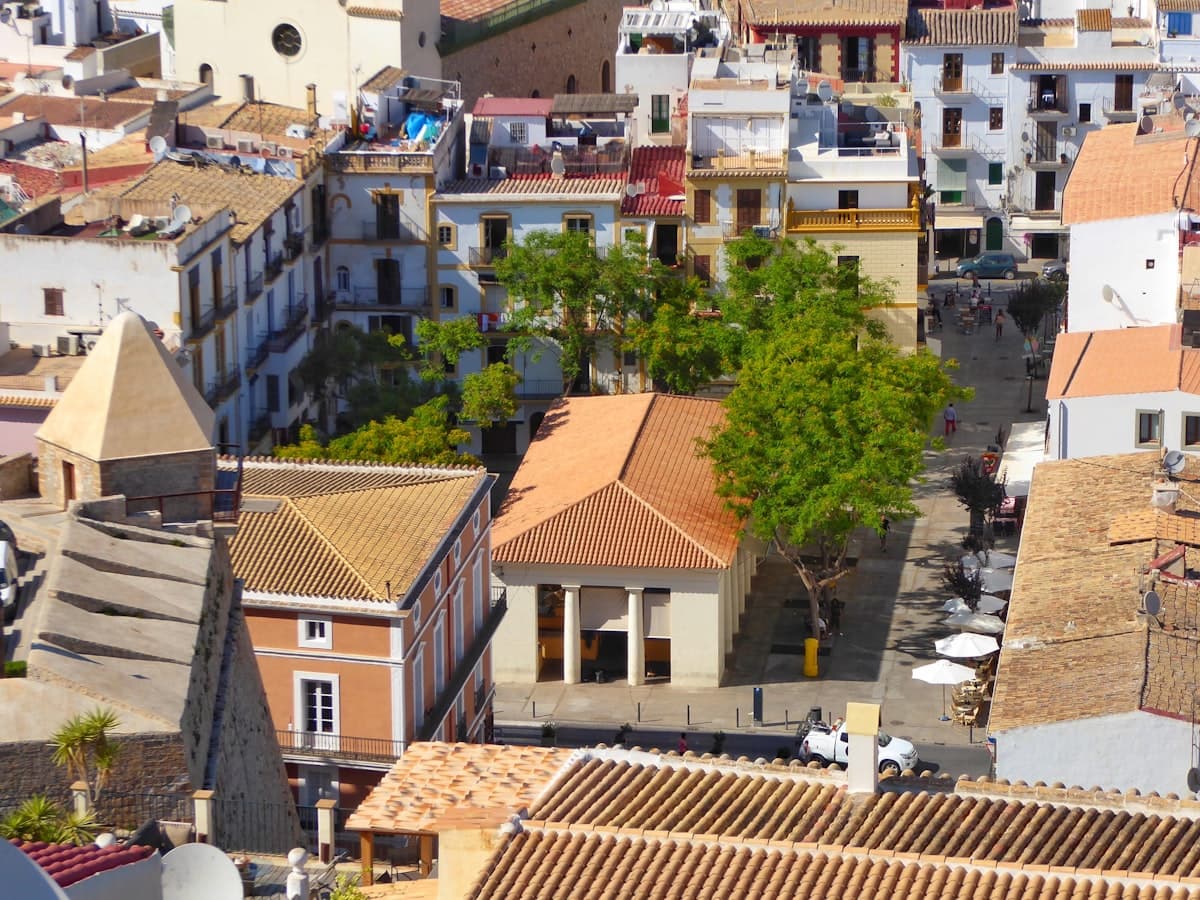
Art and Museums in Eivissa (City): A Practical Guide
Discover the essential museums in Eivissa and plan your visit with information about prices, hours, and locations within the historic center of the island.

Segovia Aqueduct: A Complete Guide to Roman Engineering
Discover the history and secrets of the Segovia Aqueduct, one of the best-preserved examples of Roman civil engineering in the world, and plan your visit to this historical landmark.
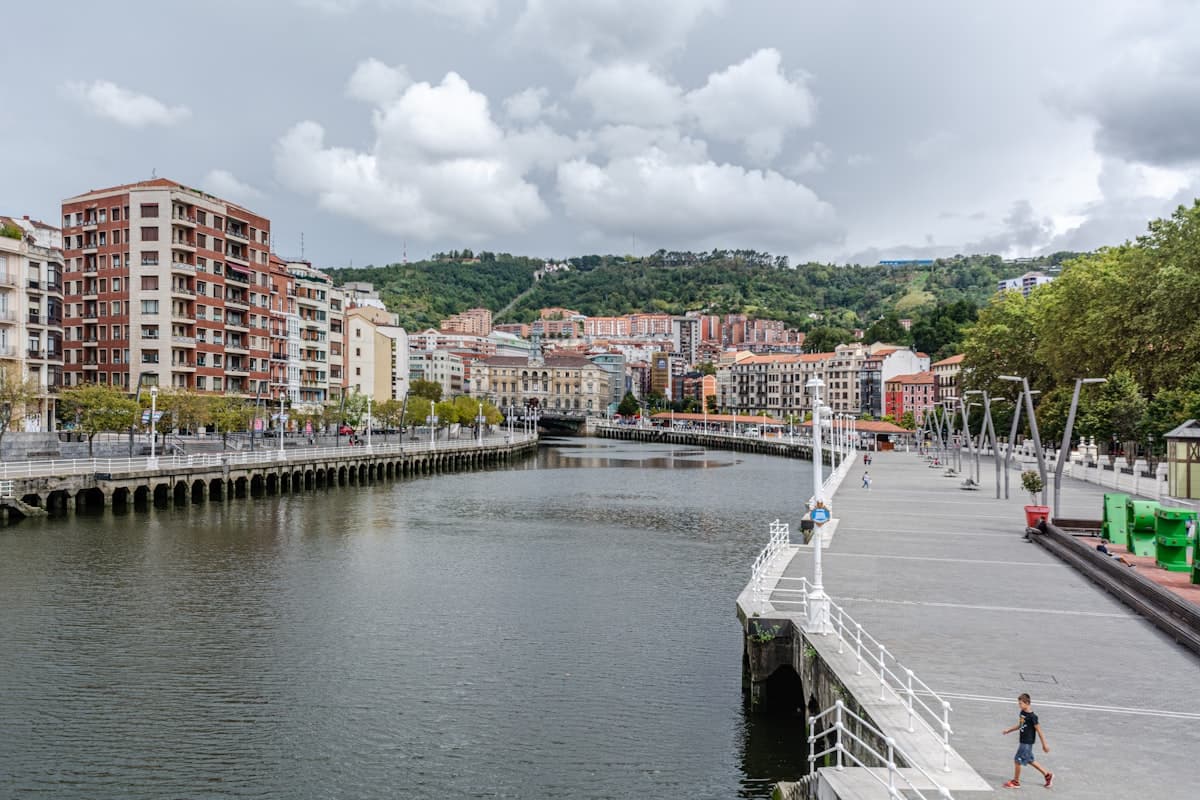
Monuments of Bilbao: The Living History in Every Stone of the City
Explore the monuments of Bilbao and understand how each structure narrates the industrial and cultural evolution of the Basque capital.