
Valencia: History and Secrets Beyond the Traditional Tourist Itinerary
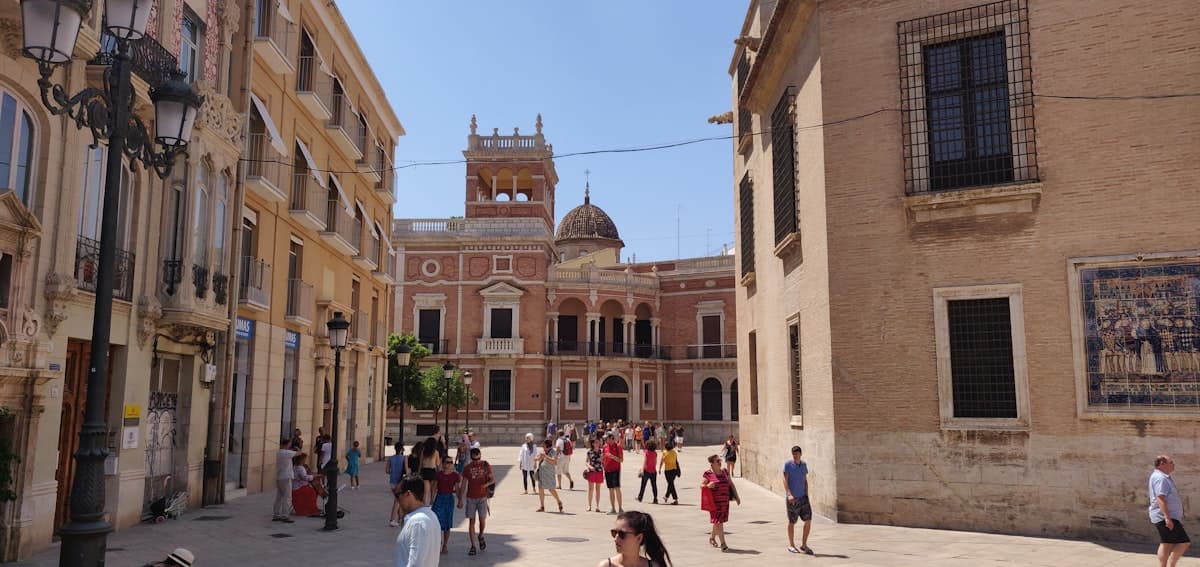
Valencia is often remembered for its modern architecture and famous festivals, but those who decide to live or spend time in the city discover that layers of its history go far beyond what postcards show. Founded by the Romans in 138 BC, the Valencian capital has solidified itself as a true melting pot of cultures, absorbing influences from Arabs and Christians over two millennia.
The City's Roots and the Rule of James I
To understand the soul of the city, one must look to October 9th. On this day, residents celebrate the Day of the Valencian Community, marking the end of Muslim rule in the region. This historical process occurred between 1232 and 1245, led by King James I, a central figure in shaping the current local identity.
One of the points that allow feeling this historical connection is the Palacio del Marqués de Dos Aguas. This building is a jewel of Baroque architecture and contrasts with the city's Roman origins, displaying a detailed façade that impresses anyone who walks through the center.
The Origin of Local Cuisine: Beyond Paella
Many tourists visit the region only for its cuisine, but the history of Paella holds secrets that few know. The dish has its roots between the 15th and 16th centuries, born out of necessity by workers in the Albufera de Valencia. Farmers prepared the dish using ingredients they had on hand during workdays. Legend has it that, in those times of scarcity, creativity was the main ingredient to sustain those working in the fields.
If you seek an authentic culinary experience, visit the surroundings of the Albufera Natural Reserve. It is the perfect place to understand the ecosystem that gave birth to Spain's most famous dish.
Must-See Places Revealing Living History
For those who wish to escape points already detailed in our article Valencia: history and curiosities for those living in Spain, the tip is to explore the Mercado Central de Valencia. Although it's a common visit point, its modernist architecture houses daily commerce and the essence of local routine for decades, functioning as a living museum of flavors.
Another point of interest is the Lonja de la Seda. This building is a testament to the time when the city was one of the most important commercial centers in the Mediterranean, reflecting the wealth generated by silk trade between the 15th and 16th centuries. It's an essential architectural space for understanding the economic importance that the city maintained throughout European history.
To plan your visits with precision, always check the cultural program and operating hours directly on Visit Valencia, the official portal that keeps updated information about historical monuments and events in the city.
Sources
Enjoyed it? Don't miss what's next.
Articles, guides and opportunities for Brazilians in Spain, straight to your inbox.
Our social media
Follow our posts wherever you prefer.

What did you think of this content?
Comments
Leave a comment
Your email won't be published. Comments go through moderation before appearing.
Review before sending — comments can't be edited after submission.
0/1000More in Articles
II Concurso de Fotografia Brasil na Espanha está com inscrições abertas
Participe do II Concurso de Fotografia Brasil na Espanha. Envie suas fotos sobre a cultura brasileira e concorra nesta edição temática inspirada em Chico Buarque.
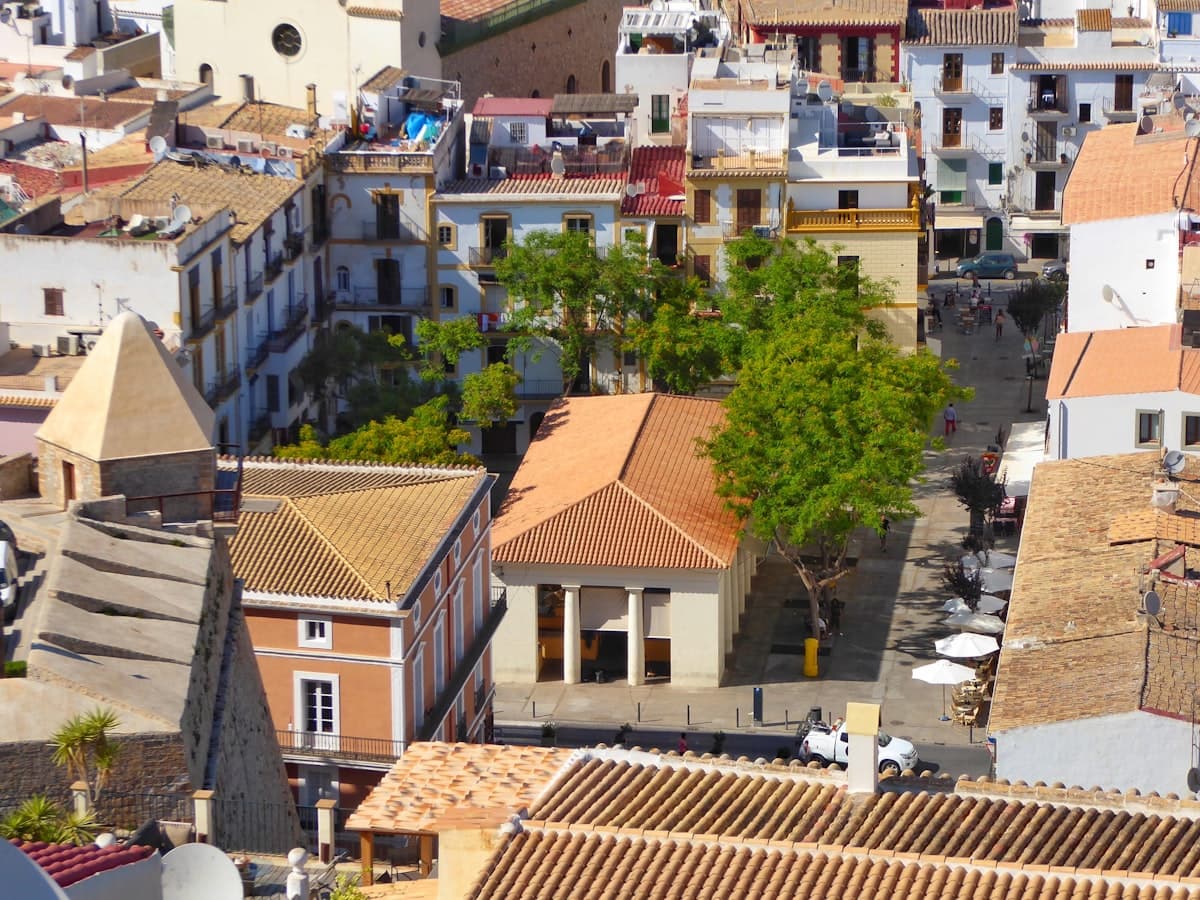
Art and Museums in Eivissa (City): A Practical Guide
Discover the essential museums in Eivissa and plan your visit with information about prices, hours, and locations within the historic center of the island.

Segovia Aqueduct: A Complete Guide to Roman Engineering
Discover the history and secrets of the Segovia Aqueduct, one of the best-preserved examples of Roman civil engineering in the world, and plan your visit to this historical landmark.
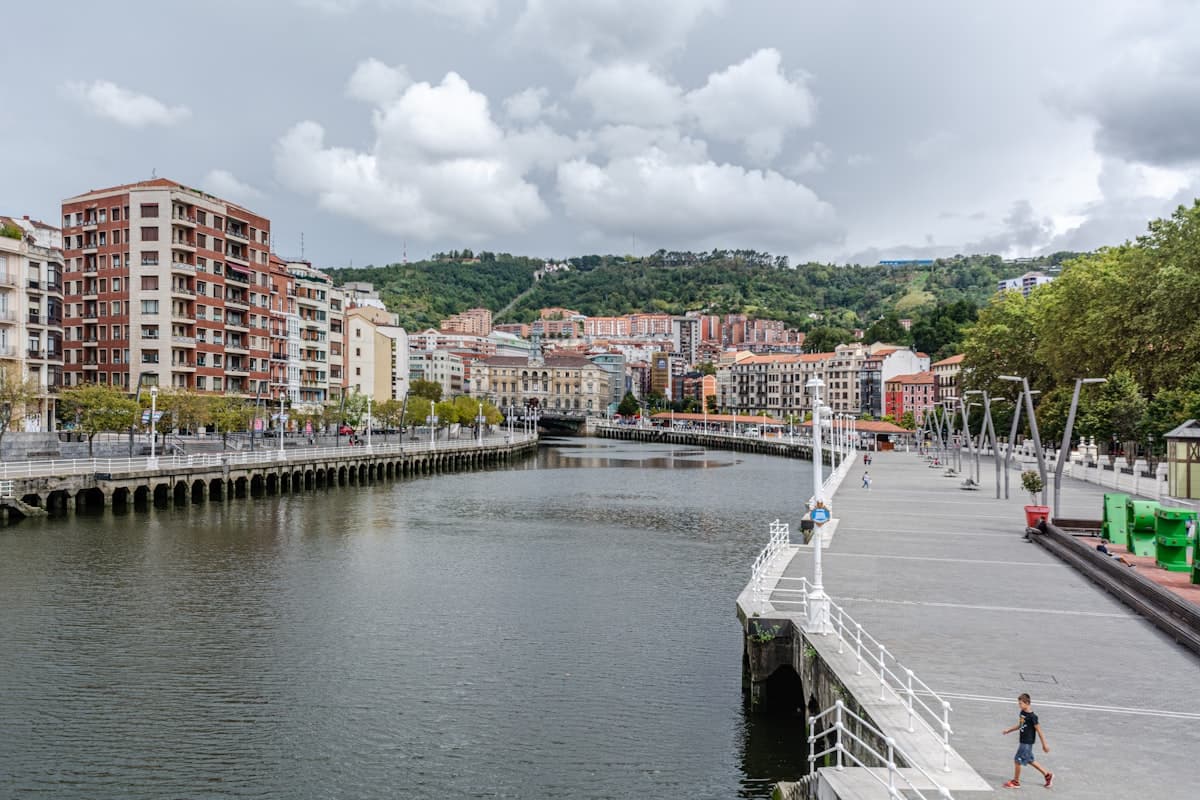
Monuments of Bilbao: The Living History in Every Stone of the City
Explore the monuments of Bilbao and understand how each structure narrates the industrial and cultural evolution of the Basque capital.