

Teruel Province: A Guide for Brazilians in Spain
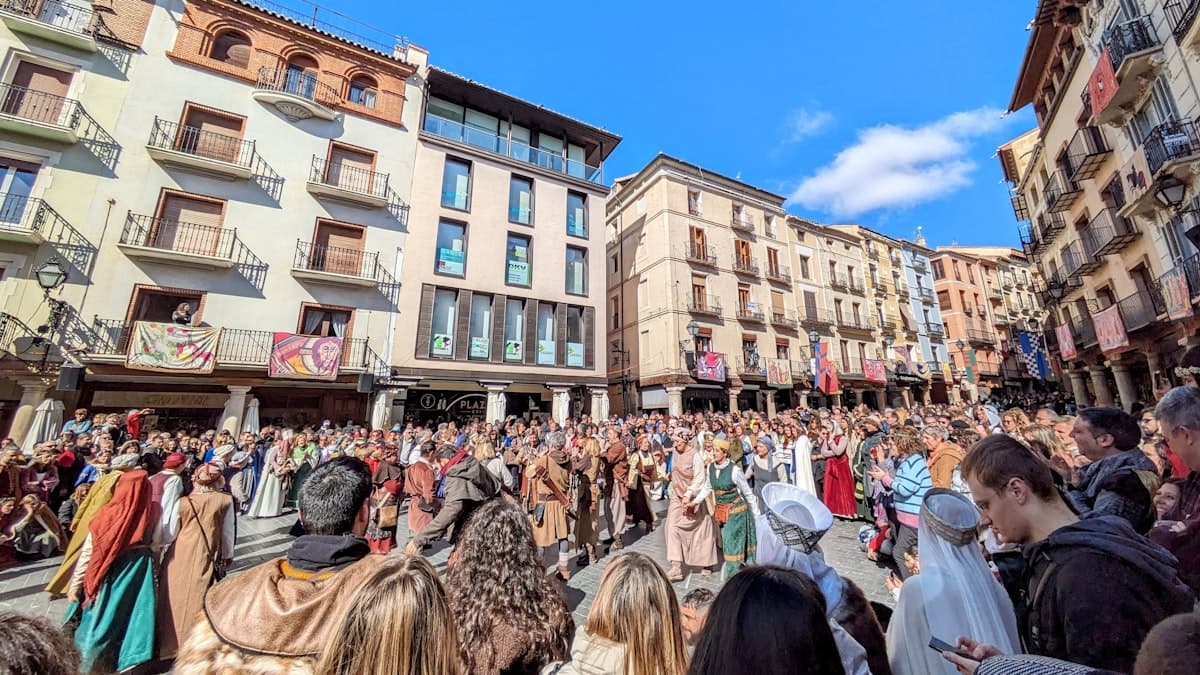
Discover the essential aspects of Teruel province, a destination in Aragon marked by its historical heritage, Mudéjar architecture, and a tranquil lifestyle in the interior of Spain.
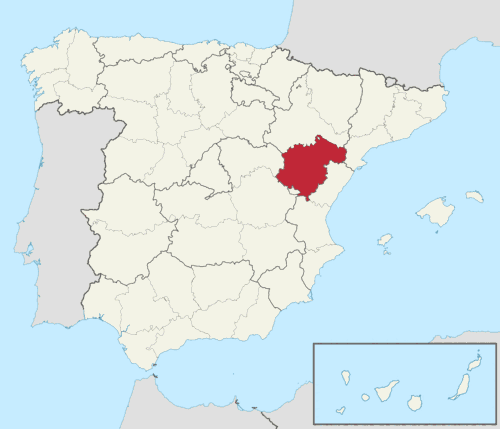
The province of Teruel, located in the autonomous community of Aragon, is a destination that holds surprises for Brazilians seeking to explore Spain beyond its major urban centers. Shaped by centuries of history, the region is recognized for its mountainous landscape and unique artistic heritage, attracting visitors interested in history and tranquility. For expatriates, the province offers an environment where the cost of living and daily pace contrast strongly with those of metropolitan areas, making it ideal for those who value authentic local culture.
Although there isn't a large Brazilian community as seen in Madrid or Barcelona, Teruel has been explored by Brazilians seeking more secluded environments or opportunities in specific sectors. Integration into the region fundamentally requires adapting to Aragonese climate and customs. Those who choose to settle in the province find warm reception in an area that, despite its low population density, maintains a well-organized and efficient service structure for residents.
General Data
| Data | Value |
|---|---|
| Capital | Teruel |
| Autonomous Community | Aragon |
| Area | 14,810 km² |
| Population | Approximately 134,545 inhabitants |
| Demonym | Turolense |
| Postal Code (beginning) | 44 |
Details of Teruel
The province of Teruel boasts an ancestral heritage dating back to Celtiberian times, with archaeological remains scattered across various locations such as Cella and Alto Chacón. The region is globally recognized for its Mudéjar architectural style, which combines Islamic artistic elements with Christian tradition, resulting in historically invaluable constructions that define the urban profile of the capital and its surroundings. Beyond built heritage, Teruel is a hub for one of Spain's most prestigious gastronomic products: ham, which carries a local denomination of origin and is a fundamental symbol of the province’s culinary culture.
The climate in the region is notably harsh, with significant daily temperature variations throughout the year, characterizing the routine of local inhabitants. This climatic condition, combined with mountainous terrain, has shaped an economy traditionally linked to agriculture, mining, and more recently, renewable energy sectors. The "silence that speaks" is a frequently used expression to describe the essence of Teruel, referring to its vast preserved territory and the calm that dominates rural landscapes, ideal for nature tourism and those who prefer escaping urban hustle.
Brazilians in Teruel
Brazilians residing in the province of Teruel are often distributed both in the capital and smaller municipalities, frequently integrated through family or professional ties across sectors ranging from hospitality and gastronomy to specialized services. For those planning a move, it is essential to consult the Portal de Inmigración to verify current residence and work requirements.
The tip for newcomers is to invest in social integration within small communities where local support networks tend to be very close-knit. Contact with the Diputación de Teruel and the portal of the Ayuntamiento de Teruel can be extremely useful for understanding available public services, local events, and cultural agendas that animate provincial social life throughout the year.
Enjoyed it? Don't miss what's next.
Articles, guides and opportunities for Brazilians in Spain, straight to your inbox.
Our social media
Follow our posts wherever you prefer.

What did you think of this content?
Comments
Leave a comment
Your email won't be published. Comments go through moderation before appearing.
Review before sending — comments can't be edited after submission.
0/1000More in aragao
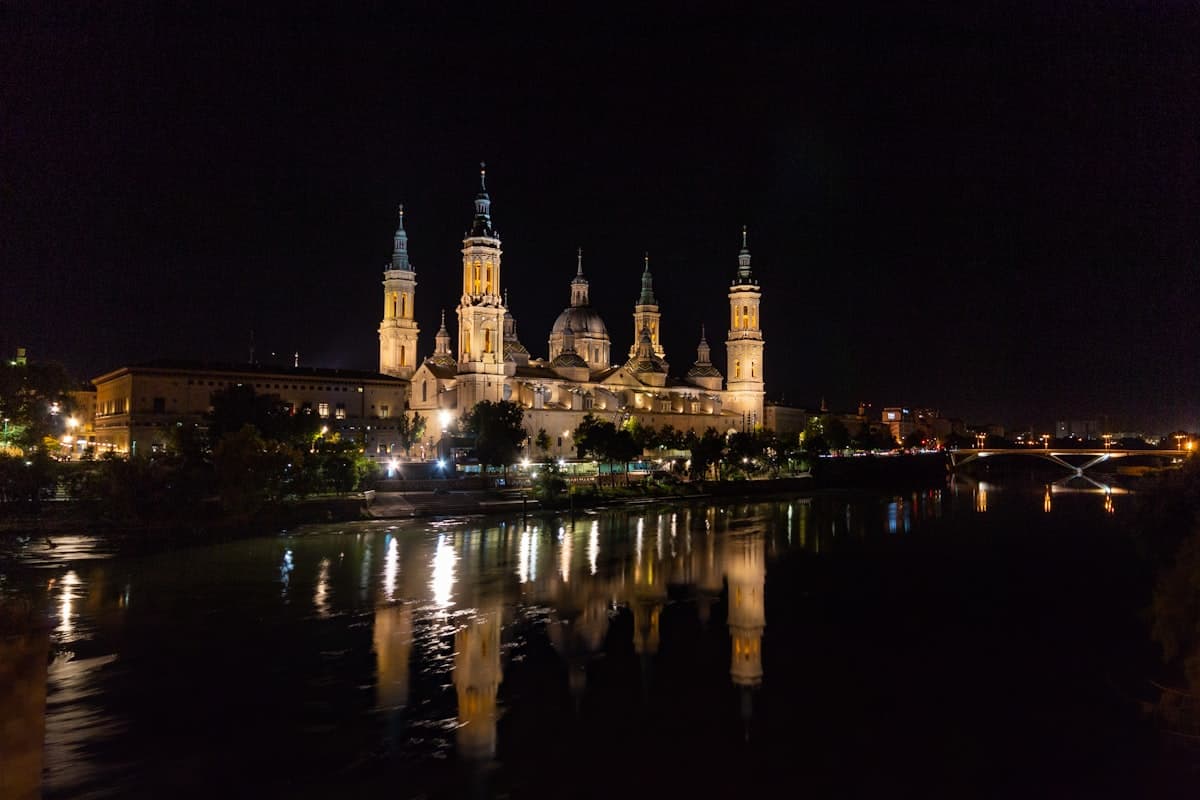
Zaragoza Province: Guide for Brazilians in Spain
Discover the essential aspects of the province of Zaragoza, a historical and strategic pole in the heart of Aragon, ideal for those seeking quality of life and tradition in Spain.
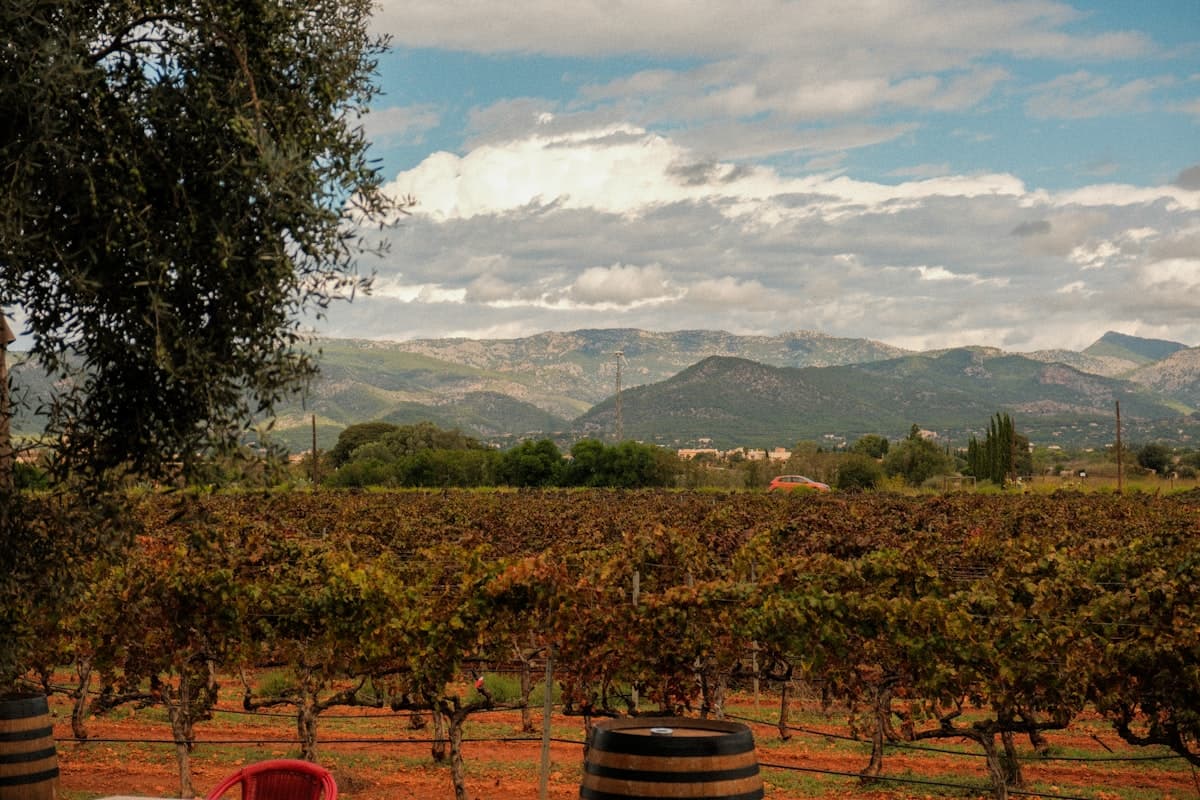
Guide for Brazilians in Spain: Discover the Province of Huesca
Explore the history and culture of the province of Huesca, a key destination in Aragon, ideal for those seeking to live peacefully in Spain with proximity to nature.