

Zaragoza Province: Guide for Brazilians in Spain
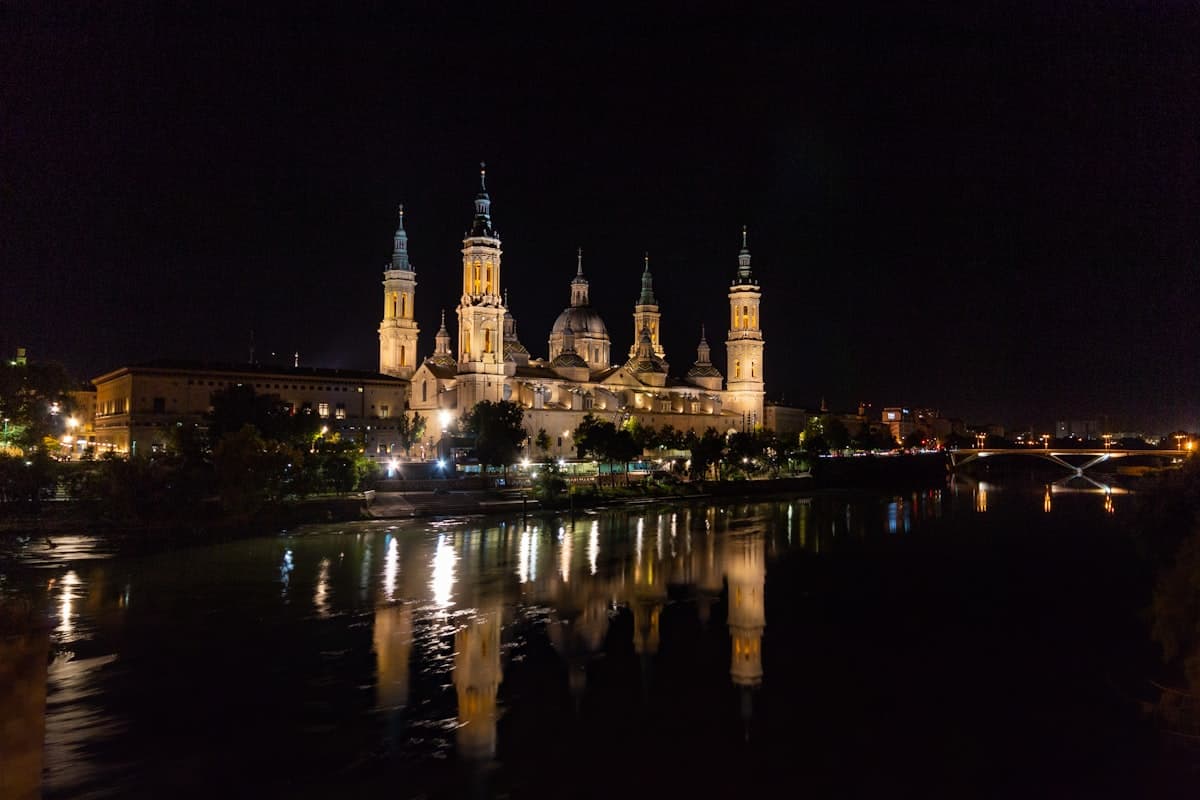
Discover the essential aspects of the province of Zaragoza, a historical and strategic pole in the heart of Aragon, ideal for those seeking quality of life and tradition in Spain.
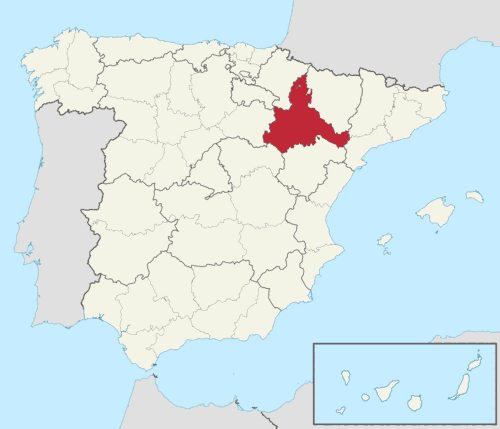
The province of Zaragoza, located in the autonomous community of Aragon, stands out as a nerve center in northeastern Spain. Known for its historical significance dating back to Roman times, the region is traversed by the Ebro River, which has shaped not only the landscape but also the economic and social development of its cities. For Brazilian residents or those in the process of moving, the province offers a cost of living that is often more affordable than major metropolises like Madrid or Barcelona, while maintaining privileged connections through a robust high-speed rail network.
The presence of Brazilians in the region has grown gradually, attracted by the stability of the province and the expanding logistics sector. Although it is not a mass immigration destination, the Brazilian community finds in Zaragoza an environment with deep cultural roots and urban life that balances historical heritage with the modernity of contemporary infrastructure. Integration is facilitated by the availability of public services and the province's openness to new professionals.
General Data
| Data | Value |
|---|---|
| Capital | Zaragoza |
| Autonomous Community | Aragon |
| Area | 17,274 km² |
| Population | 979,365 inhabitants (data from 2023) |
| Demonym | Zaragozano/a |
| Postal code (beginning) | 50 |
Details of Zaragoza
The province of Zaragoza has the geographical peculiarity of bordering a total of eight other Spanish provinces, making it a central communications node throughout the country. This strategic positioning facilitated, over the centuries, the preservation of a rich architectural and cultural legacy. Among the points of interest that reflect this history is the Ethnological Museum of Belchite, which preserves forms of life and agricultural production typical of Central Aragon until the 20th century, as well as the Brea de Aragon Shoe Museum, dedicated to local traditions.
The provincial economy has historically been linked to water courses such as the Ebro, Jalón, and Gállego rivers, which sustain local agriculture and industrial development. Notable figures like Goya are fundamental for the region's identity, whose heritage can be explored through various cultural routes. The mountain system, including Moncayo and the Iberian System, offers a striking geographical contrast to urban areas, providing numerous leisure alternatives in nature for those living or visiting the province.
Brazilians in Zaragoza
Brazilians who choose to live in the province of Zaragoza often concentrate in the capital, which offers most of the job opportunities and essential services. The logistics sector, driven by the region's privileged geographical location, presents itself as one of the main employment markets for foreigners. For those seeking guidance on the job market, Zaragoza Dinámica offers job listings and labor consultancy, being an important resource for newcomers.
For those looking to formalize their stay or check bureaucratic issues, the National Institute of Statistics (INE) provides demographic and census data that help better understand the region's profile. Arrival in Zaragoza is usually marked by adapting to the dry climate and local traditions of Aragon. It is recommended that Brazilians integrate into citizenship centers and information portals such as Ayuntamiento de Zaragoza, which centralizes information on urban life, administrative procedures, and cultural events for city residents.
Enjoyed it? Don't miss what's next.
Articles, guides and opportunities for Brazilians in Spain, straight to your inbox.
Our social media
Follow our posts wherever you prefer.

What did you think of this content?
Comments
Leave a comment
Your email won't be published. Comments go through moderation before appearing.
Review before sending — comments can't be edited after submission.
0/1000More in aragao
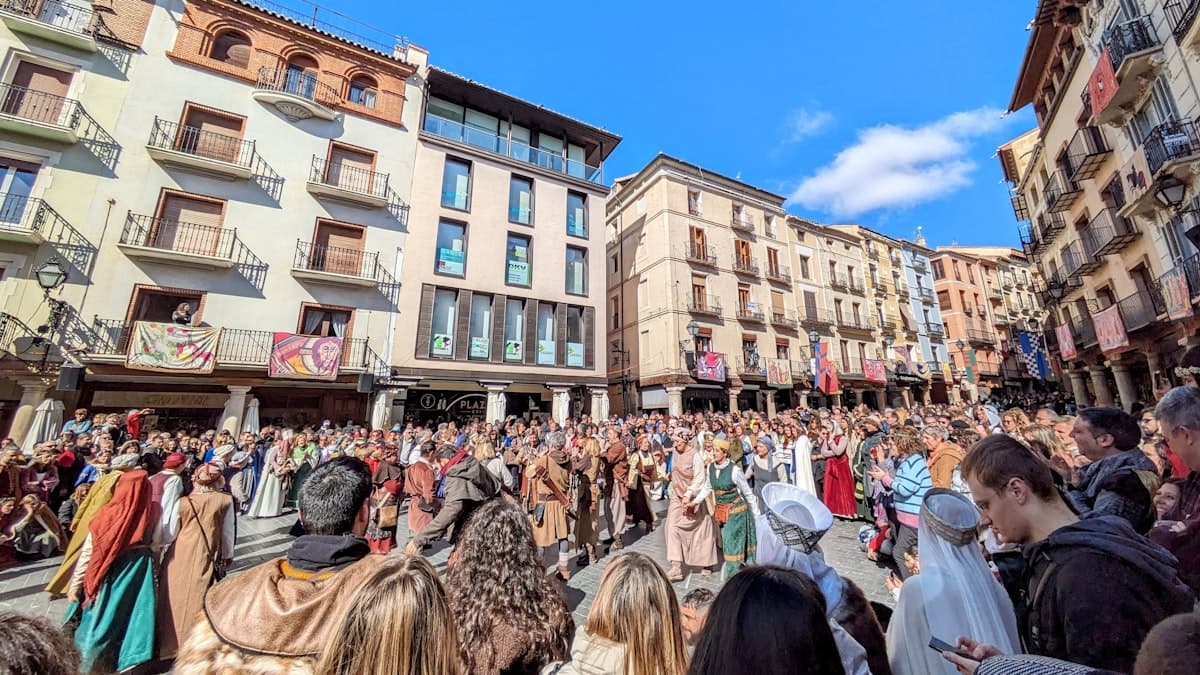
Teruel Province: A Guide for Brazilians in Spain
Discover the essential aspects of Teruel province, a destination in Aragon marked by its historical heritage, Mudéjar architecture, and a tranquil lifestyle in the interior of Spain.
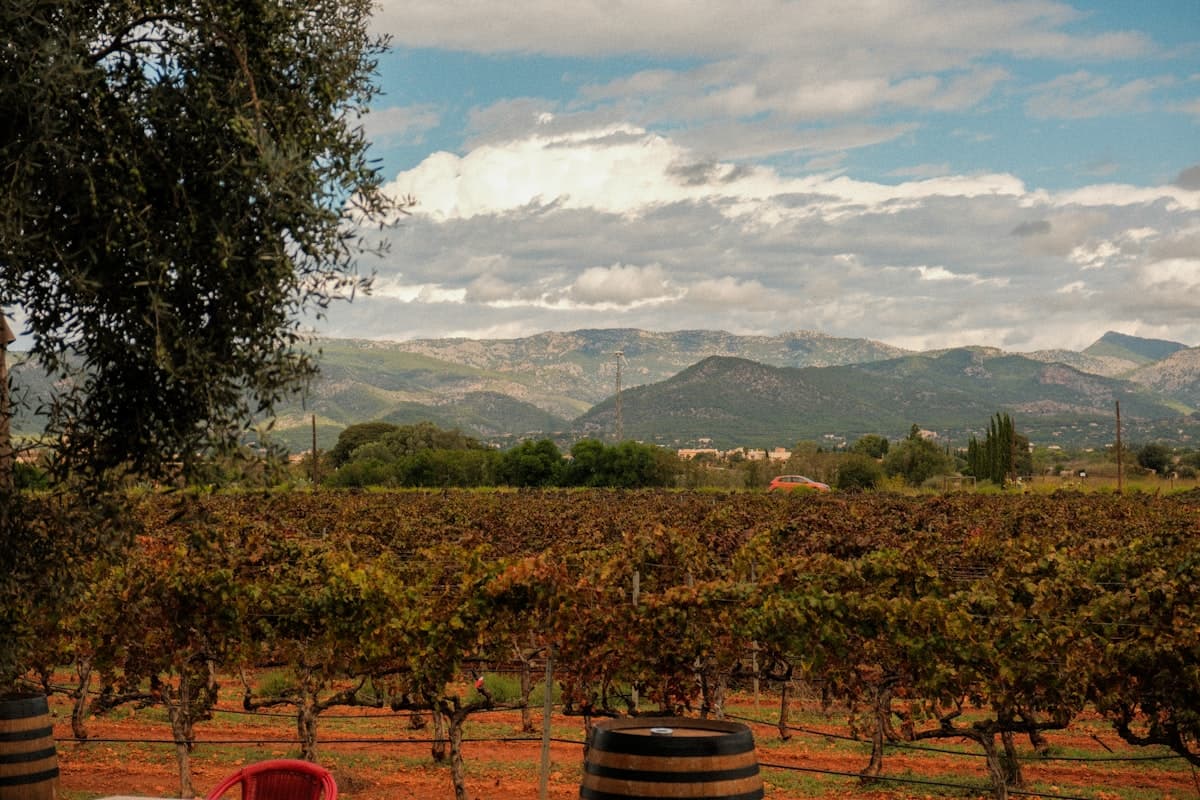
Guide for Brazilians in Spain: Discover the Province of Huesca
Explore the history and culture of the province of Huesca, a key destination in Aragon, ideal for those seeking to live peacefully in Spain with proximity to nature.