
Cabo de Gata beaches: a complete guide for the summer
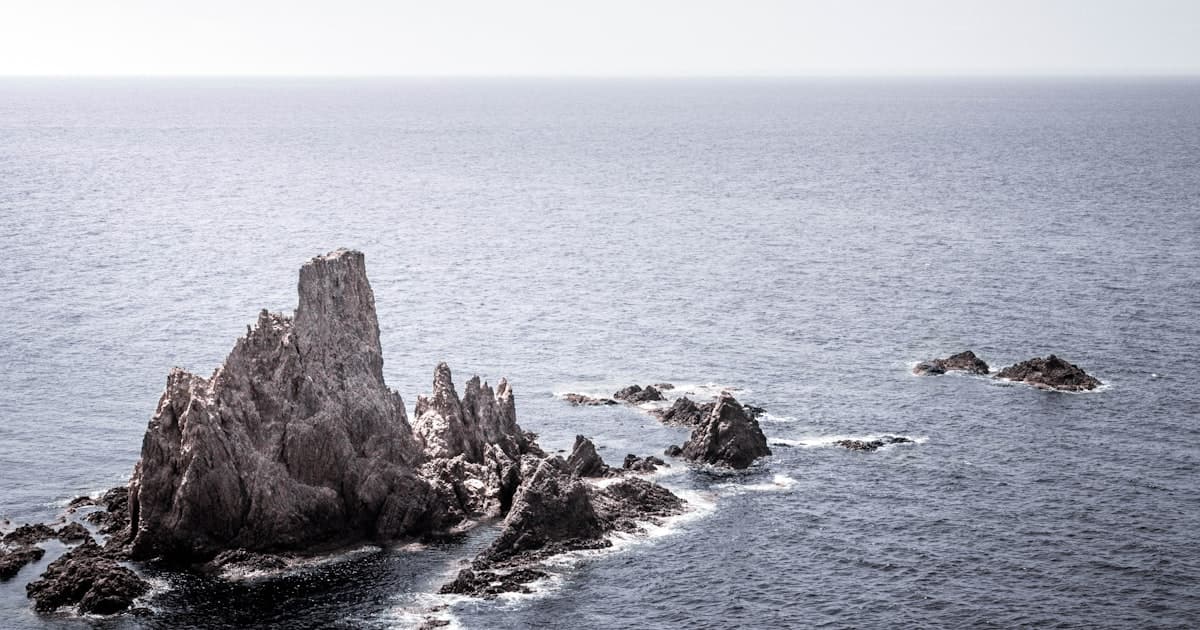
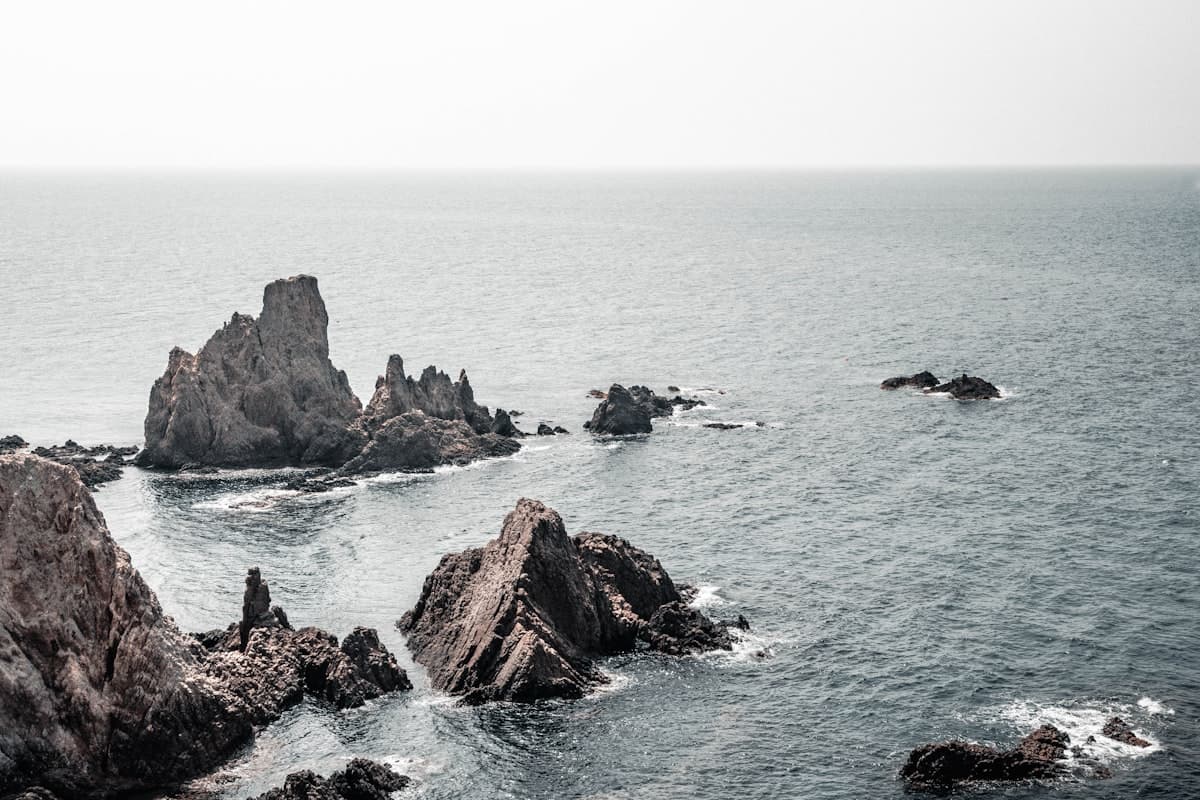
The Cabo de Gata-Níjar Natural Park is the largest protected maritime-terrestrial natural space in Spain: 38,000 hectares of land and 12,000 of sea on the southeastern tip of the Iberian Peninsula. There are no twenty-story hotels here, nor rows of rented umbrellas. There is volcanic rock, golden sand, and water so transparent that you can see the bottom from above.
Getting there requires a small effort — parking, walking, carrying water — and the park pays you back with interest. In July and August, access to some beaches is regulated, but that is part of the deal: it is precisely this control that keeps Cabo de Gata as it is.
Playa de los Genoveses
It is the most photographed beach in the park, and for obvious reasons: 1.5 km of fine, golden sand, framed by dry hills, with water that shifts from turquoise to deep blue as the depth increases. There is no bar, no rented umbrella, nor any services. You bring what you need — and you take it back with you.
Starting June 20, 2026, car access is subject to parking capacity (about 400 spots). When it fills up, the barrier closes until a car leaves. Shuttles departing from San José are the most convenient alternative and cover Genoveses, Barronal, Mónsul, Media Luna, and Cala Carbón.
Bring high-factor sunscreen, food, and at least 1.5 liters of water per person. No services available.
Playa de Mónsul
The most dramatic one. A black volcanic rock formation emerges from the center of the sand like a natural dike — it is the setting Spielberg chose to film scenes for Indiana Jones and the Last Crusade. The sand is darker than in Genoveses, and the rocks create natural pools at low tide, perfect for snorkeling.
Same access restrictions in the summer: limited parking, shuttles from San José. It is worth every kilometer of waiting.
Excellent for snorkeling — the volcanic formations house marine life. Bring your equipment.
El Playazo de Rodalquilar
The largest and calmest of the big ones. Almost 1 km of light sand, shallow and calm water, year-round unrestricted car access, and the Castillo de San Ramón watching over the cove since the 17th century. It is the most accessible beach for families with small children.
The village of Rodalquilar is a few kilometers away — it was the only place in Western Europe with industrial-scale gold mining. The mines closed in the 1960s, and the abandoned warehouses have become an attraction of their own.
Free access all year round, parking at the entrance. A good option for those who prefer to avoid the summer shuttles.

La Isleta del Moro
A fishing village that seems to have stopped in time. Whitewashed houses, wooden boats, two or three restaurants serving the catch of the day, and the Playa del Peñón Blanco right at the entrance — named after the white stone in the middle of the sand that serves as a jumping point for local youths.
The charm is not in the size of the beach, but in the human scale of the place: small, no resorts, no supermarkets. Arriving here at the end of the day, with the sun setting behind the arid mountains, is a scene that is hard to forget.
Book a table at the restaurants in advance in July and August. There is parking at the entrance of the village.
Las Negras and Cala de San Pedro
Las Negras has a dark pebble beach — the name doesn't lie — but what makes the place special is the path that leads from there. Cala de San Pedro is a 3.5 km hike along the coast, accessible only on foot or by sea. There is no electricity, no bar. There is a freshwater spring, an Arab hermitage, and a small community of Europeans who have lived there for decades in makeshift homes.
It is the wildest beach in the park, the hardest to reach — and the most rewarding for those who make the trek.
The trail to Cala de San Pedro takes 45–60 minutes. Closed-toe shoes and enough water are essential.
Agua Amarga
Unlike the park's interior beaches, Agua Amarga has life. Boutique hotels, restaurants with sea views, a bakery open early in the morning, and an urban beach with crystal-clear water. The cliff that flanks the beach to the east creates a beautiful composition at sunset.
It is the right place for those who want to spend several days in the region with some comfort — without giving up the crystal-clear water of Cabo de Gata.
More services, less solitude. A good base for exploring the northern half of the park.
How to get there and get around
The operating center of the park is San José — the largest village, with a supermarket, pharmacy, restaurants, and access to the most famous beaches. It is 40 km from Almería capital via the N-344.
A car is almost essential to cover several beaches in the same day. In July and August, the shuttles to Genoveses and Mónsul departing from San José are the most practical option — they avoid the wait at the barrier and drop you off directly at the beaches.
The park is 2h30 from Málaga, 1h40 from Murcia, and 4h from Madrid. The nearest train station is Almería capital, with direct connections to Madrid, Barcelona, and Seville.
What to bring
The most beautiful beaches in the park have no infrastructure whatsoever — no water, no food, no artificial shade. The basic list:
- High-factor sunscreen (the Almería sun is intense all day long)
- Water — at least 1.5 liters per person for a half-day
- Food or snacks
- Closed-toe shoes if you plan to walk between coves
- Camera — the light at the end of the day is extraordinary
Sources
Enjoyed it? Don't miss what's next.
Articles, guides and opportunities for Brazilians in Spain, straight to your inbox.
Our social media
Follow our posts wherever you prefer.
1 reactions
Comments
Leave a comment
Your email won't be published. Comments go through moderation before appearing.
Review before sending — comments can't be edited after submission.
0/1000Presta serviços para brasileiros na Espanha?
Anuncie gratuitamente e alcance quem precisa do seu serviço.
More in Passeios
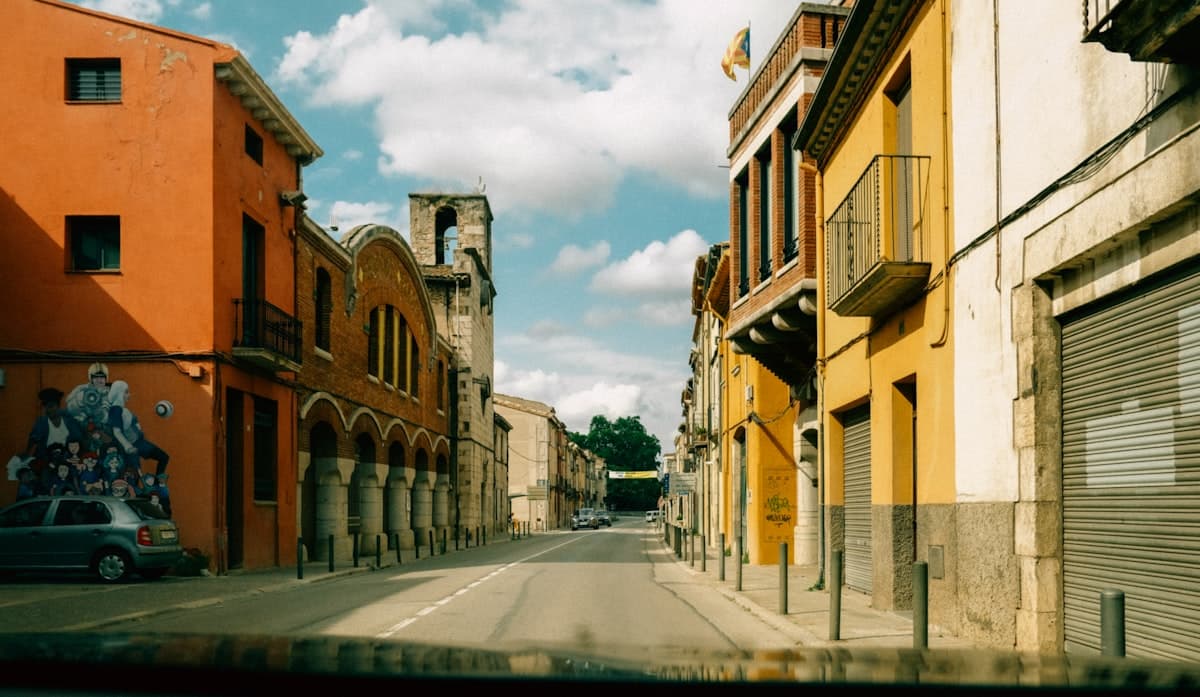
How to save money on car rentals in Spain in 2026
Deductibles, fuel policies, one-way fees: see where car rental prices spike in Spain and how to truly compare before you book.
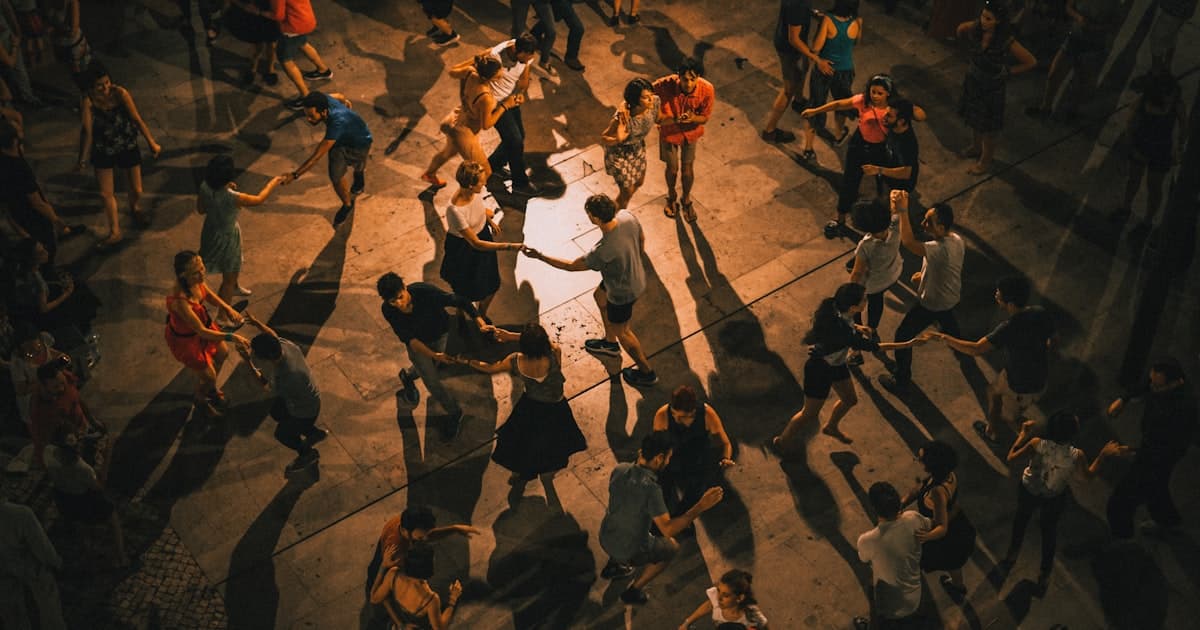
Capoeira, samba, and forró in Spain: where to practice by city
Capoeira, forró, and samba have active communities in Spain. Here is where to practice in Madrid, Barcelona, Valencia, Sevilla, and more, including groups and academies.
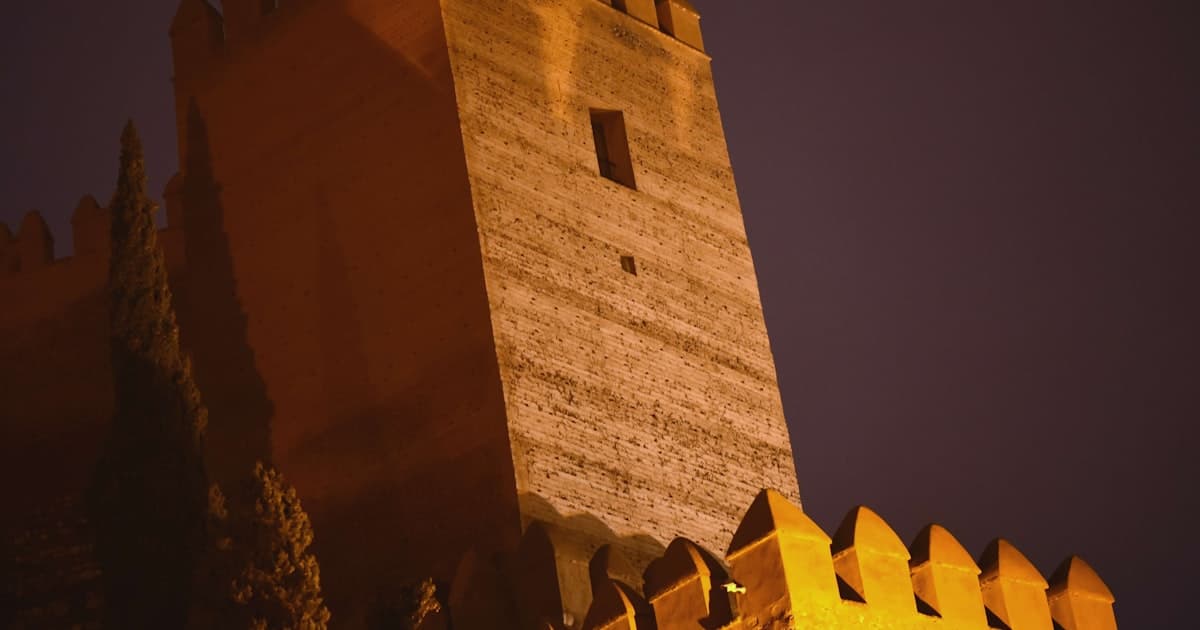
More about Almería
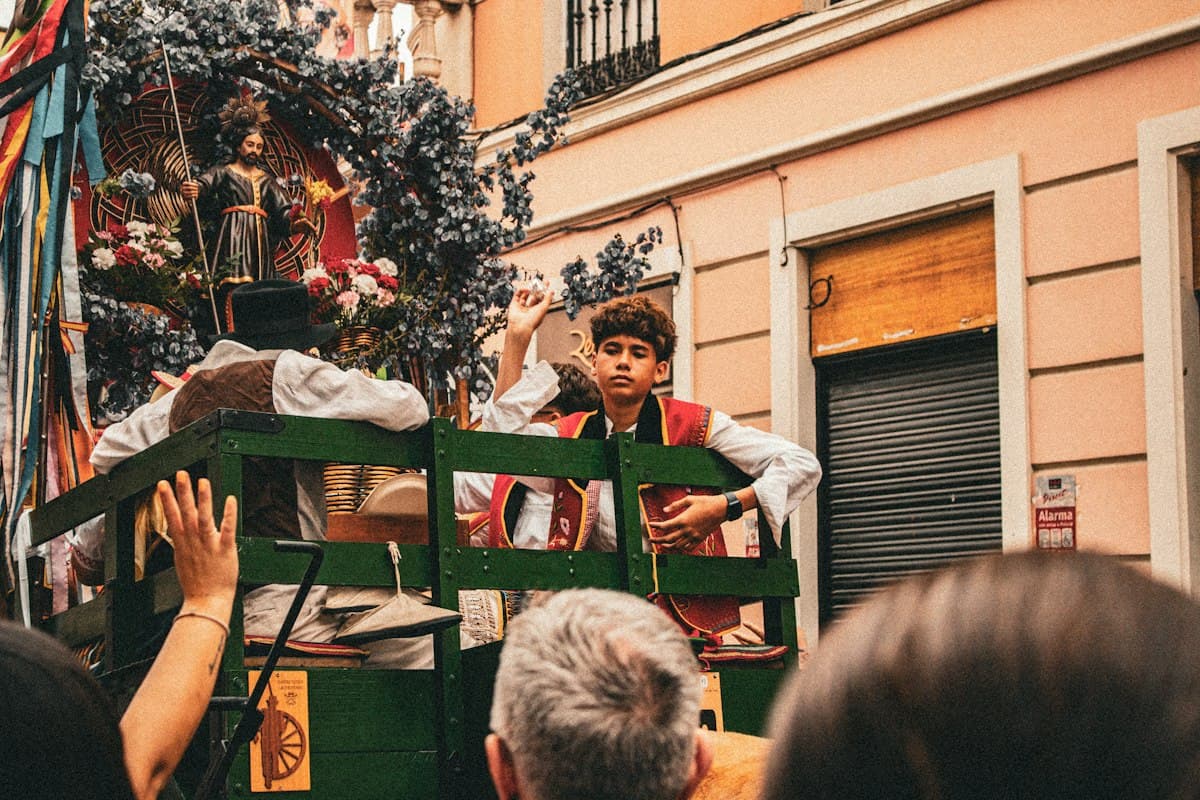
Live Broadcast of the Pilgrimage of the Christ of Light in Dalías
The pilgrimage to the Sanctuary of the Christ of Light in Dalías will be fully covered by Canal Sur TV on September 20th. The event includes the traditional descent of the image and the celebration of the High Mass.
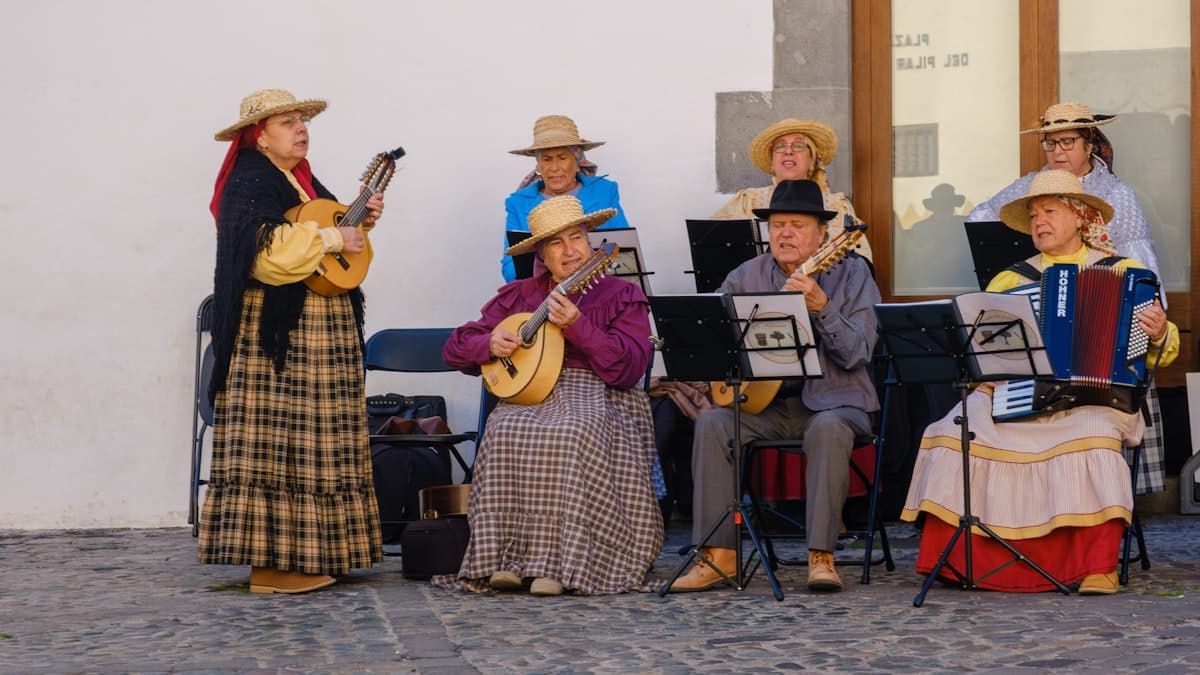
Almería Fair Program: Attractions and Activities on August 22
The Almería Fair offers a diverse program with sports, cuisine, and music. The event features activities spread across various points of the city on August 22.
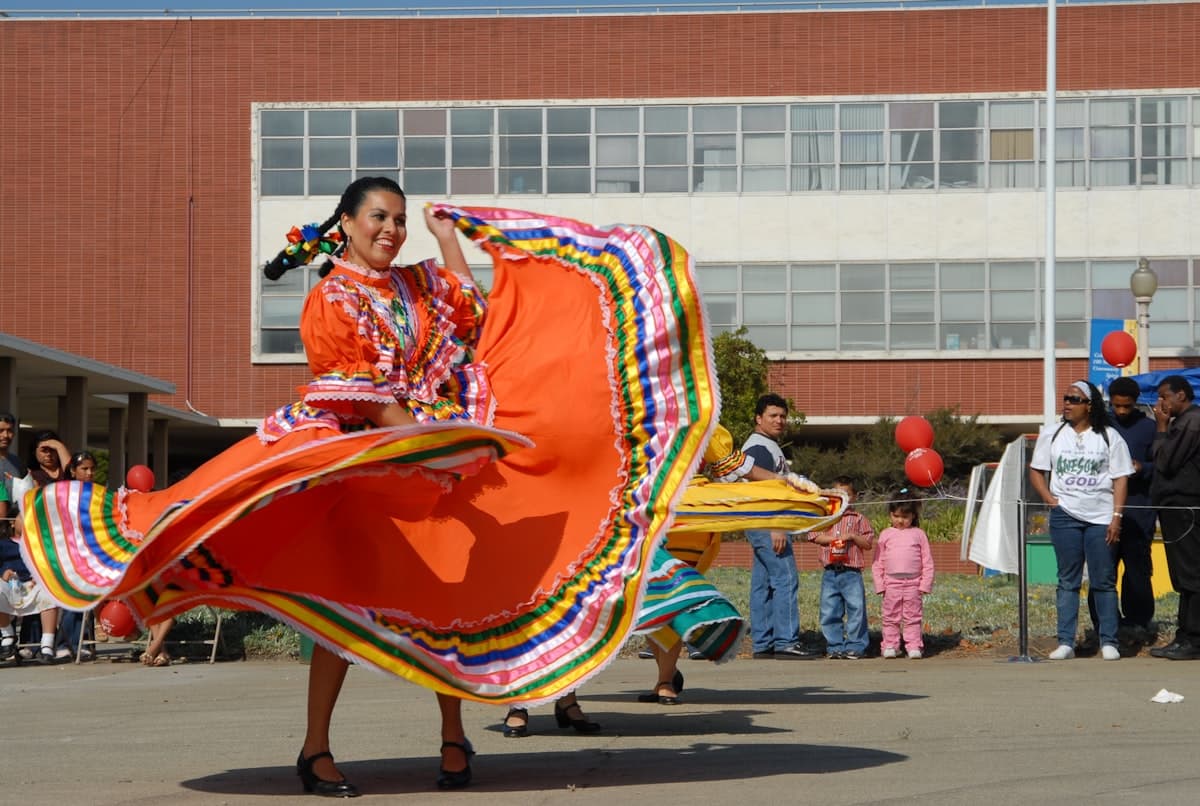
Almería Fair 2026 Full Program: Tradition and Cultural Events
The city of Almería prepares for its annual traditional celebration, the Almería Fair 2026, from August 21 to 29, 2026, featuring a wide range of activities across the city center.
Almería in 1 Day: Complete Itinerary to Enjoy the Best of the City
Discover how to make the most of your time in Almería with an itinerary focused on the essentials: history, architecture, and tapas culinary culture. Check out the step-by-step guide.