
Deià: a dive into history through the stones of the Serra de Tramuntana
Deià: a dive into history through the stones of the Serra de Tramuntana
Explore the historical heritage of Deià, one of Mallorca's most iconic villages, and discover how its stone architecture preserves centuries of rural tradition.
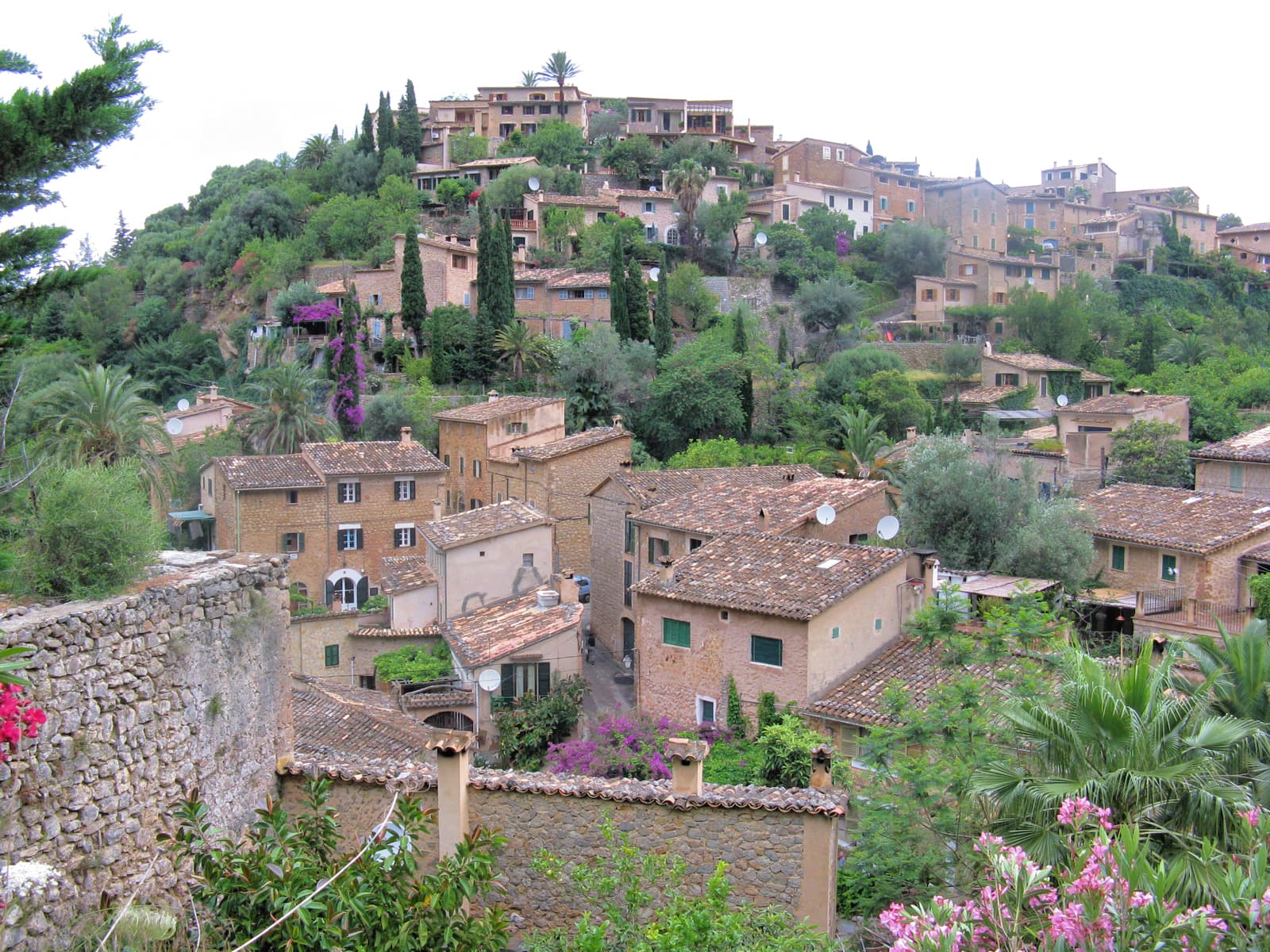
Deià is not just a mandatory stop for those visiting the west coast of Mallorca. Unlike major urban centers, the identity of this municipality is shaped by an absolute integration between the rugged terrain of the Serra de Tramuntana and the stone buildings that make up its urban core. As you walk along its steep paths, you will notice that every structure, from the simplest houses to the retaining walls on the slopes, carries historical value that justifies its preservation for future generations.
Traditional architecture and the origins of the village
The concept of historical heritage in Deià goes beyond great monumental monuments; it resides in the way Hispanic culture established itself in the region between the 16th and 19th centuries. Local constructions use what we call dry stone, an ancestral technique that allows walls to support olive terraces on the hillsides, preventing erosion and creating the cultural landscape that defines the municipality.
As you explore the center, observe how the houses were built using limestone extracted directly from the mountain itself, a practice that, due to its architectural and historical value, is protected by heritage laws. This mode of construction is not merely aesthetic, but a functional solution that allowed the community to survive on such challenging terrain.
The cemetery and the church: the highest point of history
One of the most significant points of local historical heritage is the Església de Sant Joan Baptista, which crowns the top of the promontory where the village is situated. The church is a landmark in the history of Deià, functioning as the nucleus around which social and religious life developed over centuries.
Adjacent to the church, the cemetery offers a panoramic view that explains why this location was chosen for worship: the elevation served not only for vigilance against maritime invasions but also as a pilgrimage center that connected the population to the divinity and the wild nature of the Tramuntana. It is a place of memory that keeps alive the connection between current residents and past generations, allowing the visitor to understand the importance of conserving this historical site.
Museums and the cultural legacy of the municipality
The historical value of Deià is also preserved by institutions that safeguard objects and memories of important figures who chose the village as their home. The Museu Arqueològic de Deià is an essential place to understand that the city's heritage is not just architectural, but also archaeological. It gathers organic remains and traces of past civilizations, proving that human occupation in the region dates back to periods much earlier than the formal foundation of the current village.
In addition to the archaeological museum, the Casa-Museu Robert Graves allows the visitor to learn about the daily life of the writer who immortalized Deià in literature. Although it is a 20th-century building, it is considered valuable heritage due to its intangible load and the conservation of elements that narrate the history of a period when artists from all over the world transformed the village into a haven of creativity.
To organize your visit calmly, it is recommended to consult the cultural agenda available on the official portal of the Ajuntament de Deià, where you can check specific operating hours for each monument, as many of these locations operate with restrictions during the winter months or with reduced hours outside the high season.
Sources
- Patrimonio histórico (España) - Wikipedia
- Monumento (patrimonio histórico de España) - Wikipedia
- Ajuntament de Deià
- Cover photo: Photographed by Adrian Pingstone / Wikimedia Commons, license Public domain
Enjoyed it? Don't miss what's next.
Articles, guides and opportunities for Brazilians in Spain, straight to your inbox.
Our social media
Follow our posts wherever you prefer.

What did you think of this content?
Comments
Leave a comment
Your email won't be published. Comments go through moderation before appearing.
Review before sending — comments can't be edited after submission.
0/1000More in Articles
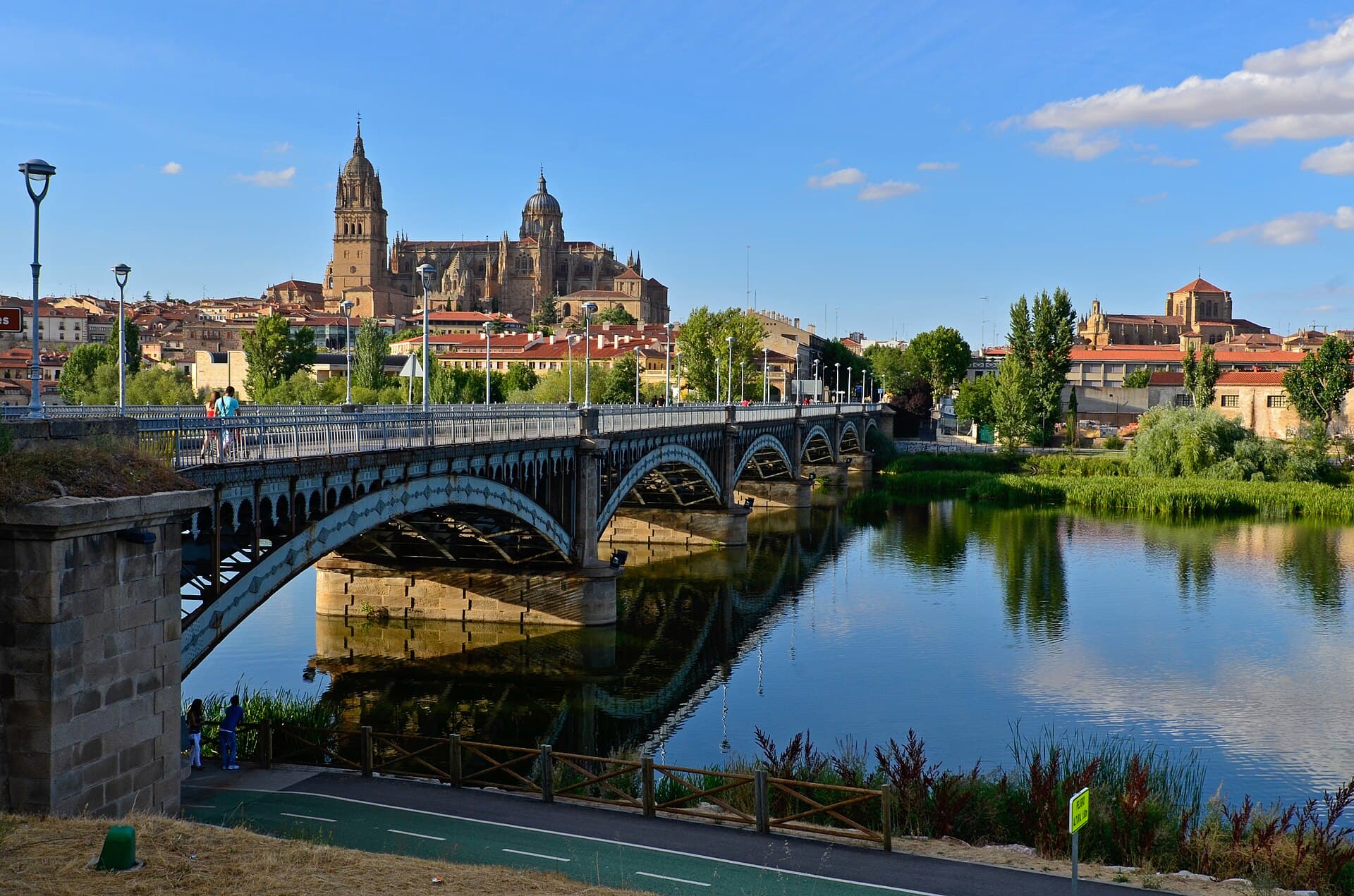
Gastronomia de Salamanca: a origem dos pratos típicos da cidade
Descubra a história por trás do hornazo, das patatas meneás e de outros sabores tradicionais que definem a identidade culinária de Salamanca.
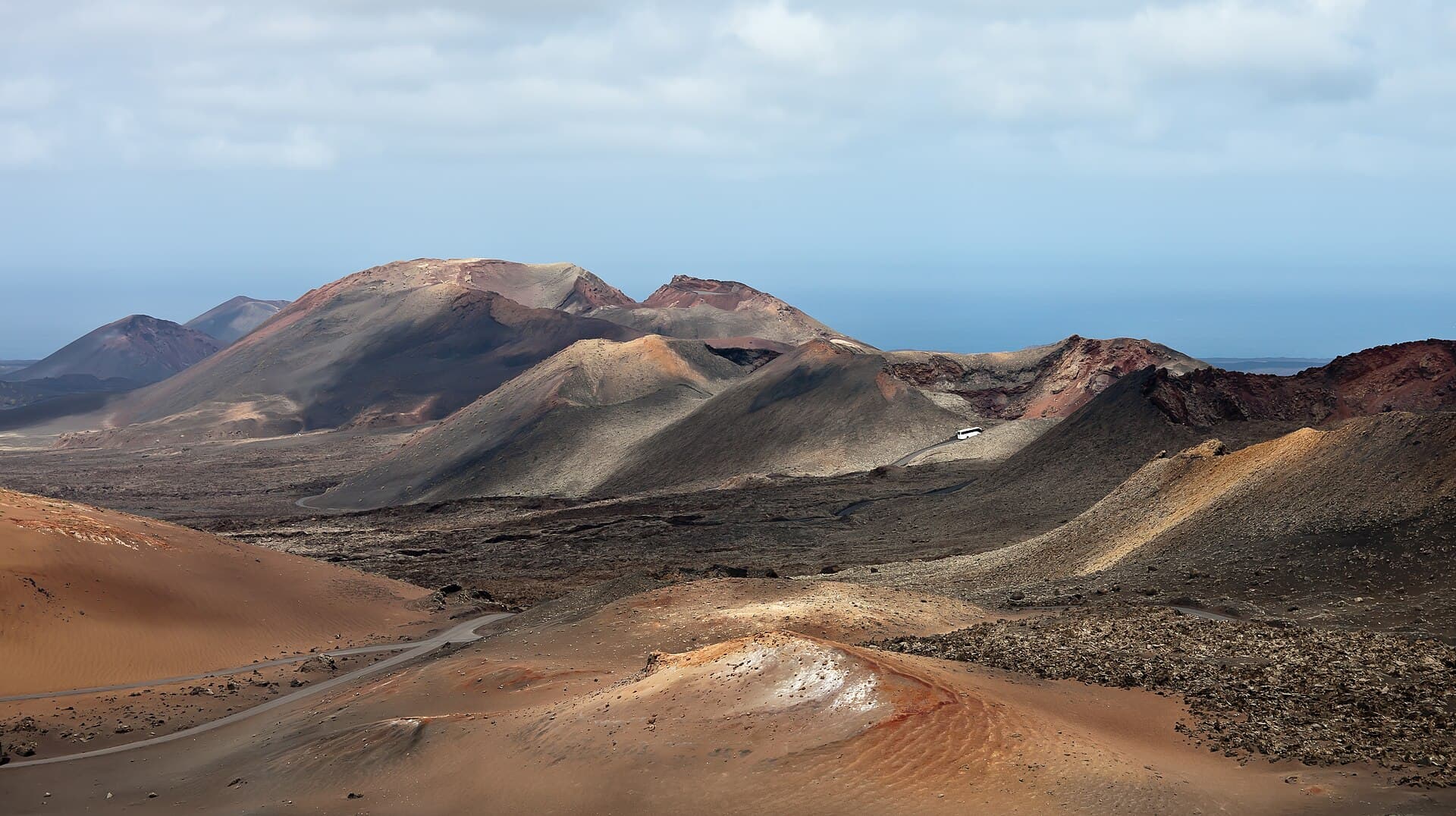
Historic Neighborhoods of the Canary Islands: Colonial and Indigenous Heritage of the Islands
Discover the origins of iconic neighborhoods in the Canary Islands, where centuries of history, from Guanche culture to colonial-era architecture, remain preserved.
Vigo’s monuments: the history carved into the city’s stone and iron
Explore Vigo's historical landmarks, from ancient archaeological remains to modern sculptures that narrate the transformation of Galicia's largest city.
Oviedo: origins, the Santiago route, and the city of statues
Discover how a small 8th-century settlement became the Asturian capital and why walking through Oviedo is an immersion in legends and medieval history.