

Vigo’s monuments: the history carved into the city’s stone and iron

Vigo is a city that reveals itself little by little, where granite and iron tell the story of a small fishing village that became the economic engine of Galicia. For those who live in or visit the city, local monuments are not merely decorative elements, but stopovers that help one understand the identity of the viguenses.
Historical and archaeological legacy
The history of Vigo is intrinsically linked to its strategic position on the Atlantic. The municipality possesses a rich network of archaeological sites, most notably the ancient castros. These Iron Age fortifications explain the initial settlement of the region, serving as witnesses to how life was organized before the modern era.
For those who wish to delve deeper into urban evolution, the Concello de Vigo offers collections of historical maps that document the expansion of the urban center between the 18th and 20th centuries. Observing these records helps one understand the crucial role the port played in the development of local architecture and the economy.
The Castelo do Castro and strategic defense
The Castelo do Castro is perhaps the most emblematic point for understanding the city's defensive past. Built to protect the port and the city from potential attacks, its location today provides a panoramic view that helps one geographically situate Vigo and its ría. More than just a fortress, it is a place where the strategic history of the city becomes visible to the naked eye, allowing you to walk the same paths that military guards patrolled for centuries.

Contemporary symbols and literary culture
Not everything in Vigo is made of ancient stone; the city also honors cultural icons with modern works that have become urban landmarks. The Monumento a Julio Verne, located near the port, is a tribute to the writer's connection with Vigo, especially after he immortalized the ría in one of his most famous works, "Twenty Thousand Leagues Under the Sea." It is a sculpture that fuses respect for literature with the creativity that defines the city's social life.
Another landmark that cannot be missed on your route is the Sireno, a granite and bronze statue that has become a symbol of the union between land and sea. Located at the Porta do Sol, the work is a classic meeting point. As we suggested in our Guide to traditional festivals in Vigo, the Porta do Sol area is the beating heart where Vigo's urban life happens, making it the ideal spot to observe the flow of the city.
The Olive Tree and commemorative monuments
Although not a sculpture in the strict sense, the Olivo de Vigo (Olive Tree of Vigo) is perhaps the city's most representative symbol, giving it the epithet "the olive city." The specimen that stands on a pedestal today is considered the "grandchild" of the original tree that marked the identity of the location. This living monument is maintained with zeal, representing resilience and a botanical history that intertwines with local tradition.
Beyond the olive tree, the city is dotted with tributes to notable figures and events. The Monumento aos Galeões de Rande commemorates the famous battle that took place in the ría, a fundamental episode for the region's maritime history. Meanwhile, the Monumento ao Empuje Vigués is a five-meter-high work by sculptor Silverio Rivas. The sculpture seeks to represent a symbiosis between the symbols of Vigo’s coat of arms, the tower and the olive tree, with each leaf of the tree symbolizing the various municipal parishes.
Another interesting work is the Monumento à Mulher, a tribute by Xesús Valverde Alonso that uses sinuous lines in bronze and granite to represent the female role in Galician society. By exploring these landmarks, visitors discover that every piece of metal or carved granite block carries a detail about those who built Vigo and what the city values.
Sources
Enjoyed it? Don't miss what's next.
Articles, guides and opportunities for Brazilians in Spain, straight to your inbox.
Our social media
Follow our posts wherever you prefer.
What did you think of this content?
Comments
Leave a comment
Your email won't be published. Comments go through moderation before appearing.
Review before sending — comments can't be edited after submission.
0/1000More in Articles
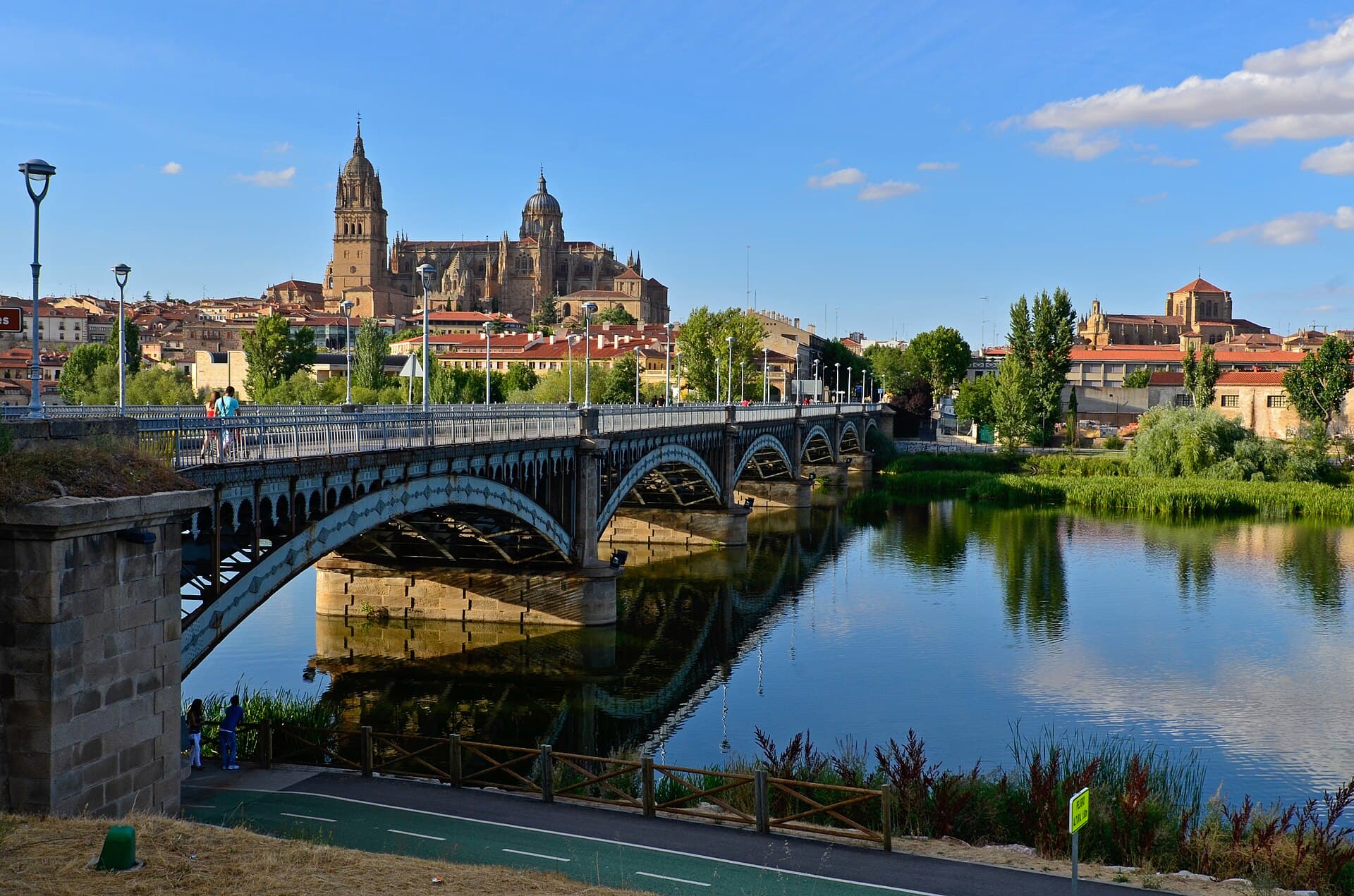
Gastronomia de Salamanca: a origem dos pratos típicos da cidade
Descubra a história por trás do hornazo, das patatas meneás e de outros sabores tradicionais que definem a identidade culinária de Salamanca.
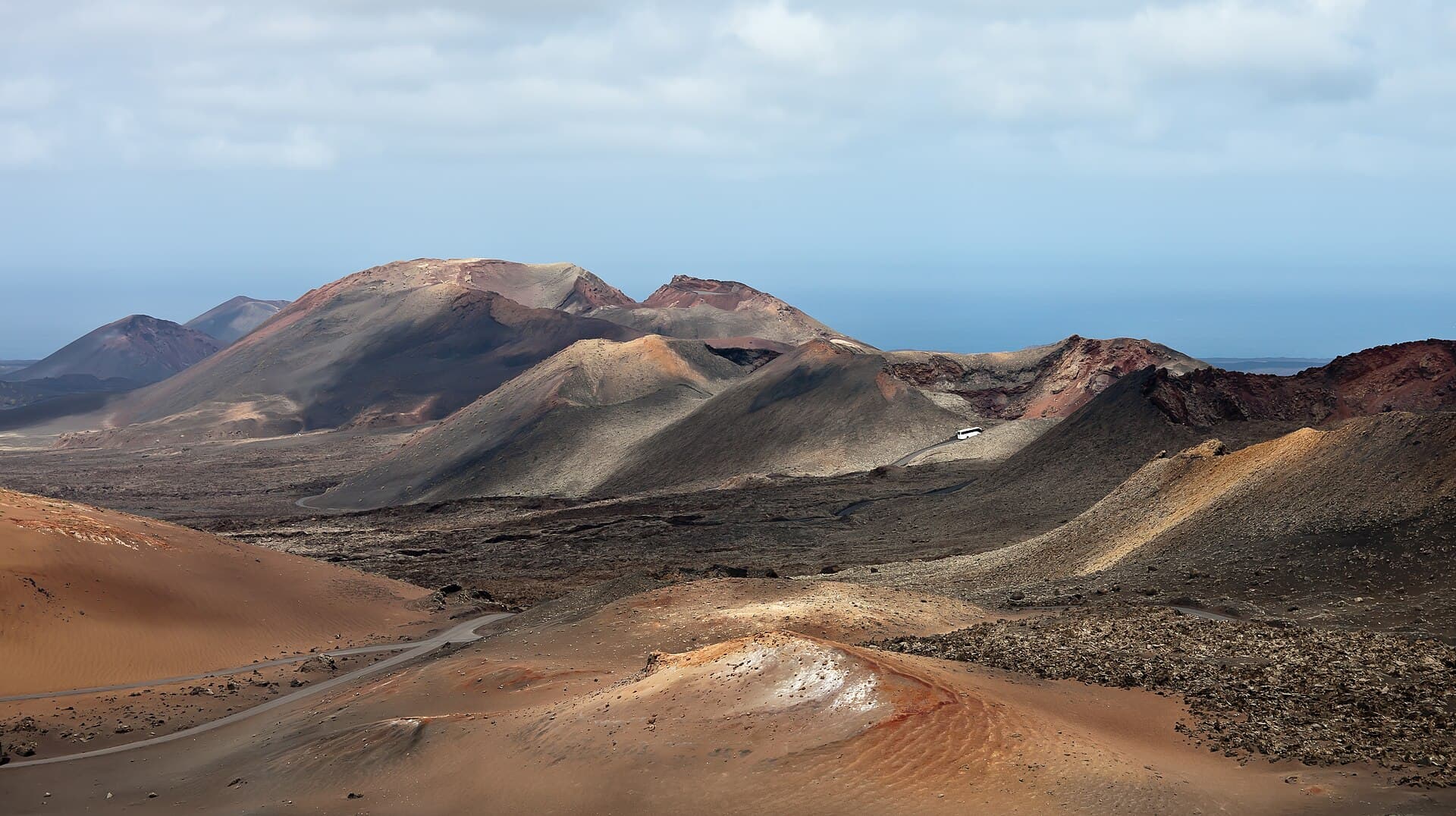
Historic Neighborhoods of the Canary Islands: Colonial and Indigenous Heritage of the Islands
Discover the origins of iconic neighborhoods in the Canary Islands, where centuries of history, from Guanche culture to colonial-era architecture, remain preserved.
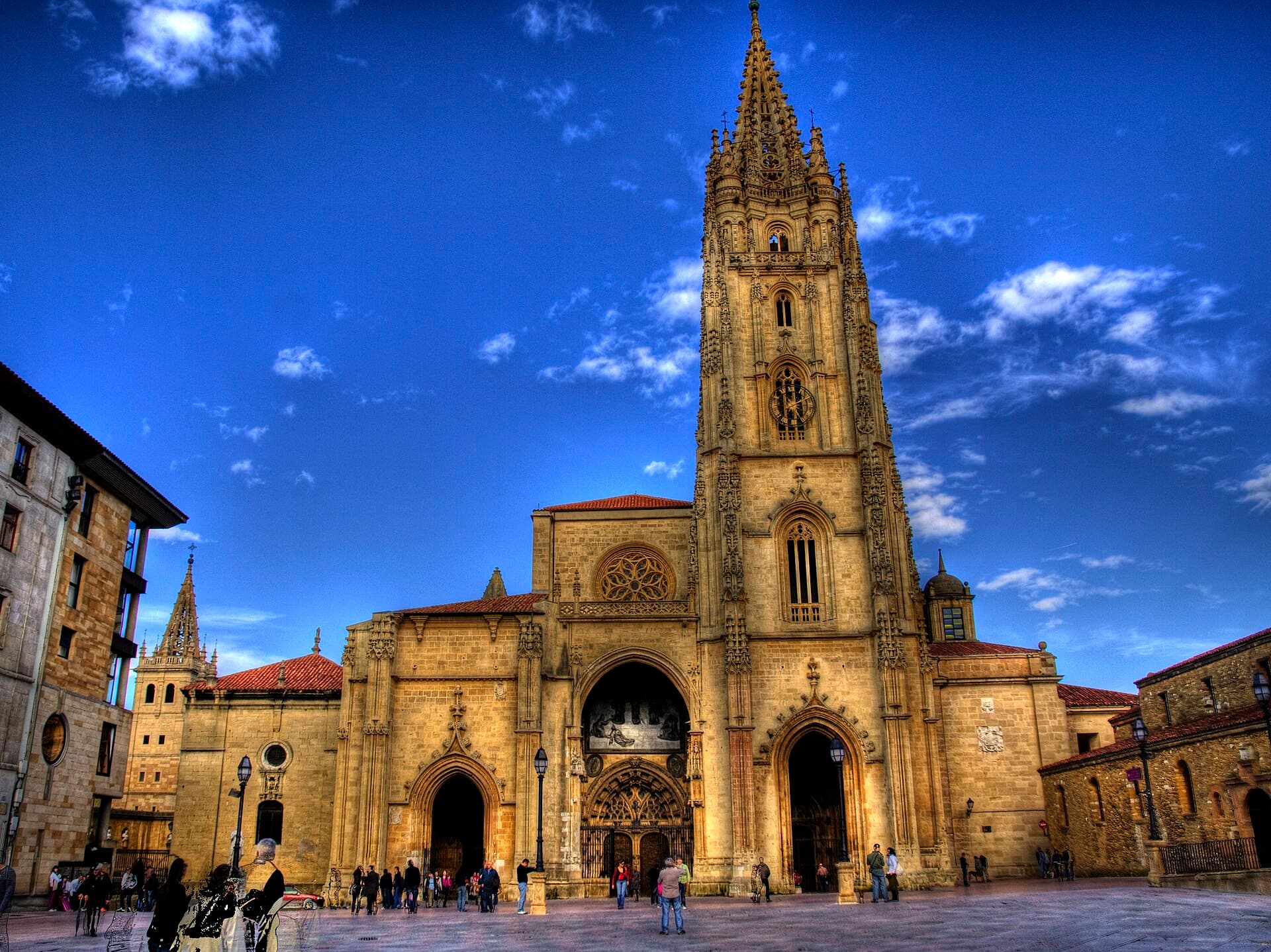
Oviedo: origins, the Santiago route, and the city of statues
Discover how a small 8th-century settlement became the Asturian capital and why walking through Oviedo is an immersion in legends and medieval history.
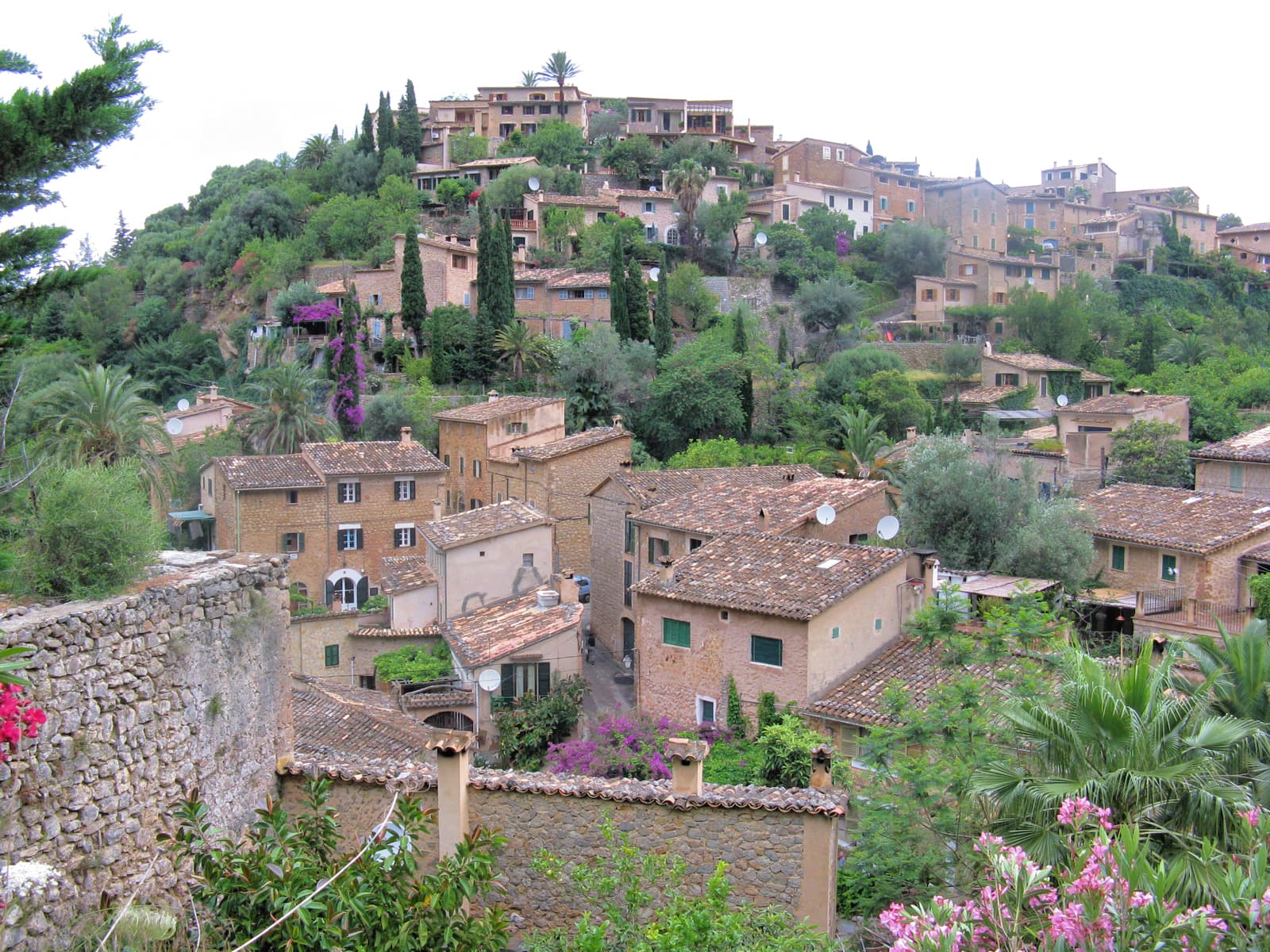
Deià: a dive into history through the stones of the Serra de Tramuntana
Explore the historical heritage of Deià, one of Mallorca's most iconic villages, and discover how its stone architecture preserves centuries of rural tradition.