Cultural Differences Between Brazil and Spain: A Beginner's Guide
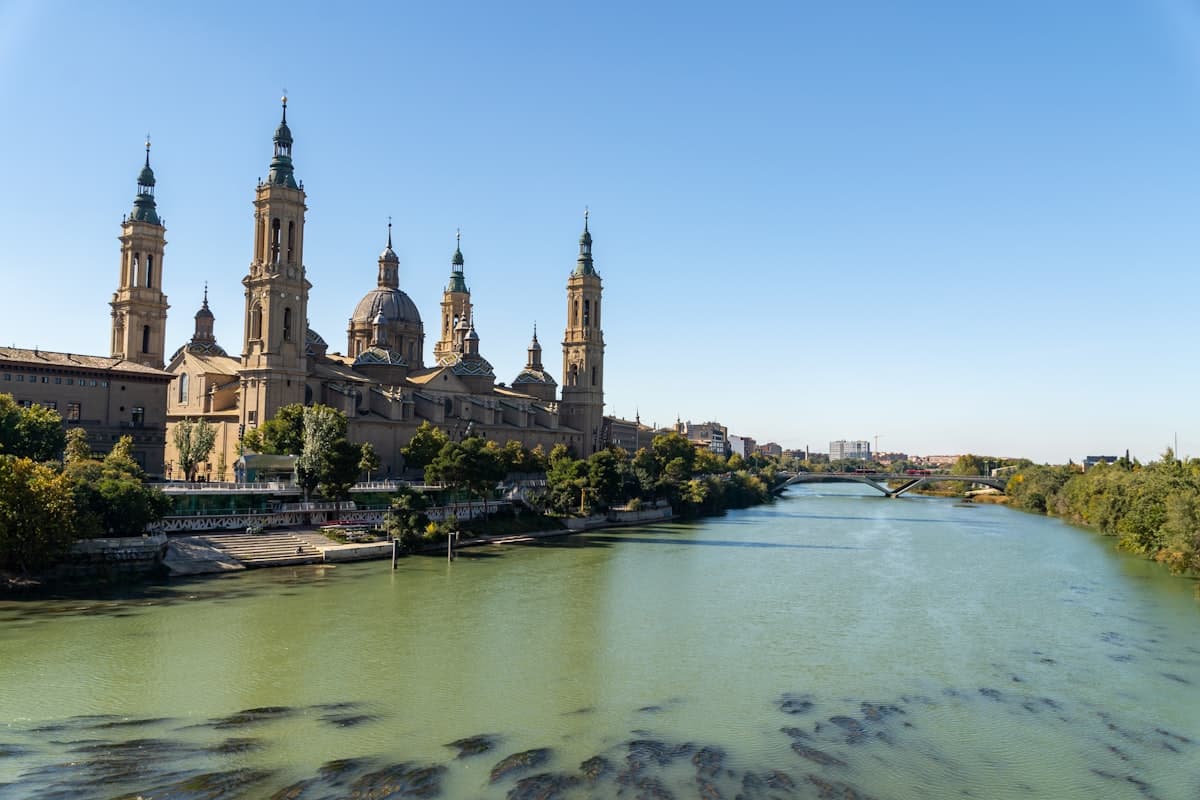
Adapting to living in Spain involves more than just learning the language; it is a process of adjusting to the rhythms of everyday life. For newcomers, recognizing these cultural nuances is the first step towards successful integration into any Spanish city.
The Shock of Schedules and Daily Life
One of the biggest surprises for Brazilians arriving in Spain lies in the clock. While lunch in Brazil is typically served between 12:00 PM and 1:00 PM, the pace is different on Spanish soil. Meal times are significantly later, which directly reflects on work schedules and break periods.
Throughout Spain, you will notice that commerce and social life follow this logic. Adapting to this new schedule is essential to avoid inconveniences or difficulties when trying to perform basic tasks. Try adjusting your meals to local hours; this simple change minimizes cultural shock in daily life.
Historical Heritage and Local Traditions
Spanish culture is deeply marked by a complex mix of influences. Unlike Brazil, where festivities are often centered around Carnival, Spain preserves traditions rooted in religiosity and history, such as Holy Week and long-standing local festivals.
The Arab influence, present in architecture and various customs, is an element that gives Spanish cities a unique identity. When exploring places like Toledo, Córdoba, or Seville, observe the details of Mudéjar architecture, a living reflection of this cultural fusion. It's important to remember that while living here, there is a constant balance between maintaining your Brazilian heritage and embracing Spanish identity. Don't try to erase who you are, but be open to understanding the historical context shaping where you now live.
Communication and Pursuit of Knowledge
A less discussed point is the informational distance between the two cultures. While neighboring Hispanic American countries have an integrated media network connecting the region, Brazil tends to be more centralized in its own vehicles due to linguistic and cultural reasons.
Upon arrival, it's natural to feel a gap in information about what happens in Spain. To delve deeper into culture and language, a great recommendation is to follow updates and educational materials from Instituto Cervantes. They have valuable resources that facilitate understanding of the Hispanic cultural universe, helping foreigners better grasp the peculiarities of the country.
Tips for Your Adaptation
The key to reducing culture shock is not to try to change the country but to adjust your perspective.
- Respect local pace: Don't expect to find the same time dynamics as in Brazil.
- Participate in local festivities: The best way to understand the spirit of the city where you live is through experiencing its historical traditions.
- Stay informed: Use official sources to understand how Spanish society functions. If you need governmental support or information on citizenship, always consult the Portal de Inmigración for precise guidance about your stay and documents.
Living in Spain is a continuous learning process. By accepting that "normal" here has different contours, you make your immigrant journey much lighter and more rewarding.
Sources
Green-acres: Differences When Moving to and Living in Brazil Asesoría para Inmigrantes: Discovering Cultural Differences Fundación Consejo España Brasil: There is an Effort to Know Each Other Better
Enjoyed it? Don't miss what's next.
Articles, guides and opportunities for Brazilians in Spain, straight to your inbox.
Our social media
Follow our posts wherever you prefer.

What did you think of this content?
Comments
Leave a comment
Your email won't be published. Comments go through moderation before appearing.
Review before sending — comments can't be edited after submission.
0/1000More in Articles
II Concurso de Fotografia Brasil na Espanha está com inscrições abertas
Participe do II Concurso de Fotografia Brasil na Espanha. Envie suas fotos sobre a cultura brasileira e concorra nesta edição temática inspirada em Chico Buarque.
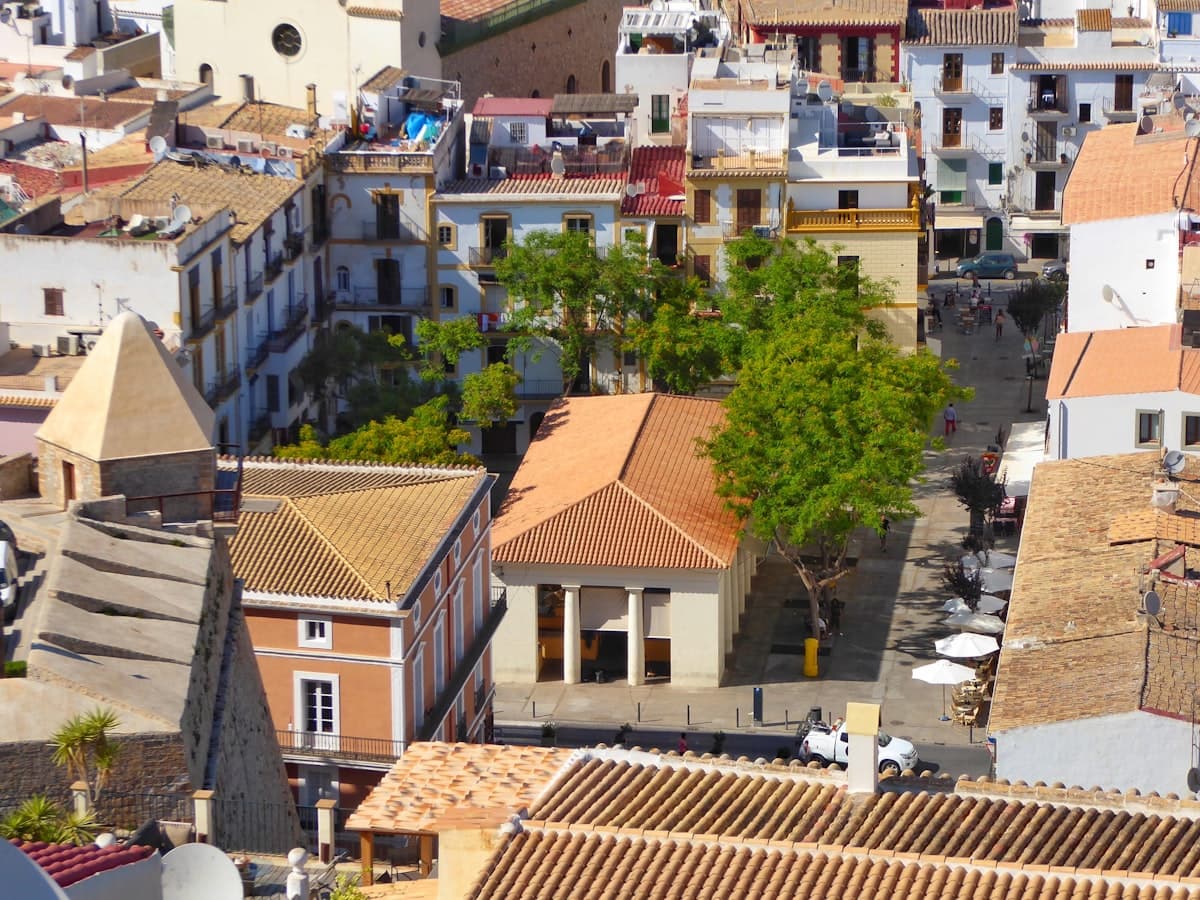
Art and Museums in Eivissa (City): A Practical Guide
Discover the essential museums in Eivissa and plan your visit with information about prices, hours, and locations within the historic center of the island.

Segovia Aqueduct: A Complete Guide to Roman Engineering
Discover the history and secrets of the Segovia Aqueduct, one of the best-preserved examples of Roman civil engineering in the world, and plan your visit to this historical landmark.
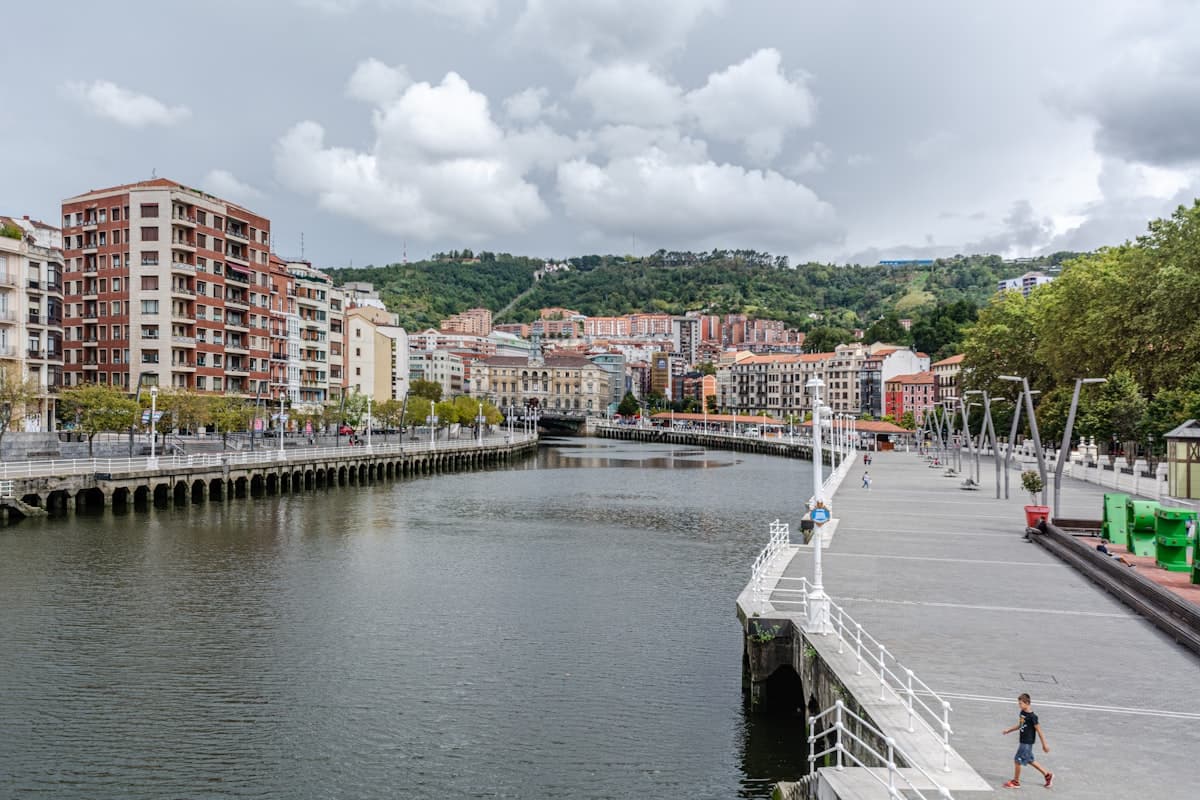
Monuments of Bilbao: The Living History in Every Stone of the City
Explore the monuments of Bilbao and understand how each structure narrates the industrial and cultural evolution of the Basque capital.